
By Billy Mijungu
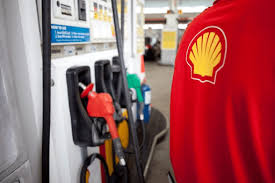
The latest fuel price review has reset Kenya’s economic pressure points. Diesel has recorded a steep increase, pushing both petrol and diesel above Sh200 per litre in Nairobi under the pricing framework of the Energy and Petroleum Regulatory Authority. This effectively returns fuel costs to levels seen at the beginning of President William Ruto’s administration.
Fuel is a universal production input. A sharp rise at this scale transmits across the entire economy. Transport costs adjust immediately, supply chains become more expensive, and producers pass on the burden to consumers. The result is predictable: rising inflation, reduced household purchasing power, and a steady expansion of economic vulnerability among low and middle income groups.
The situation also highlights a deeper structural challenge. Kenya’s economy remains exposed to global energy price fluctuations while operating within a relatively high tax regime. Short term interventions often create temporary relief, but they do not resolve the underlying imbalance. When global conditions shift, these measures collapse, leaving the economy exposed to sudden price corrections.
Market response is already underway. Public transport operators have begun adjusting fares, logistics costs are increasing, and sectors such as manufacturing and aviation will face tightening margins. These pressures will slow down business activity, weaken consumer demand, and place recent economic recovery under strain.
The policy gap is increasingly evident. A sustainable path requires reducing dependence on imported fuel, expanding investment in alternative energy, and restructuring the business environment to lower operational costs. Energy diversification is no longer optional. It is central to economic stability.
Equally important is fiscal recalibration. A more balanced tax framework would cushion businesses and consumers against external shocks while supporting productivity and growth. Without this adjustment, each global disruption will continue to translate into domestic instability.
Timing amplifies the risk. These developments are unfolding within a politically sensitive period where economic outcomes directly influence public confidence and policy direction. Slower growth, constrained job creation, and rising living costs will intensify pressure on both households and leadership.
Kenya faces a clear choice. Continue managing crises as they arise or undertake structural reforms that build resilience, stabilize costs, and protect long term economic progress.