
By James Okoth
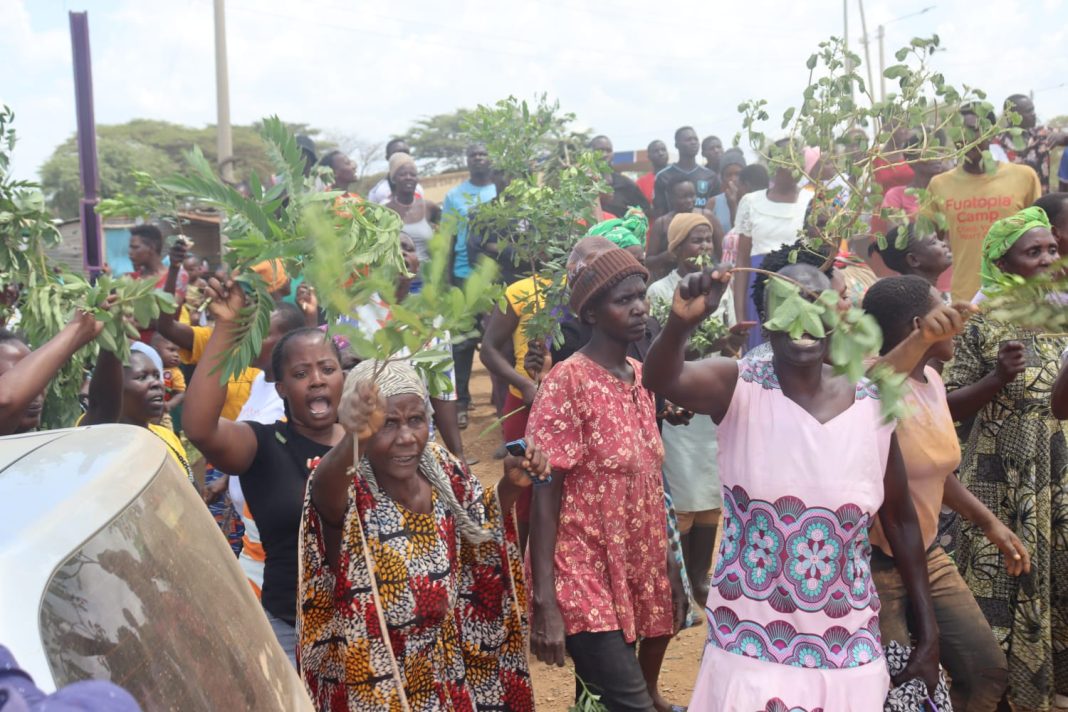
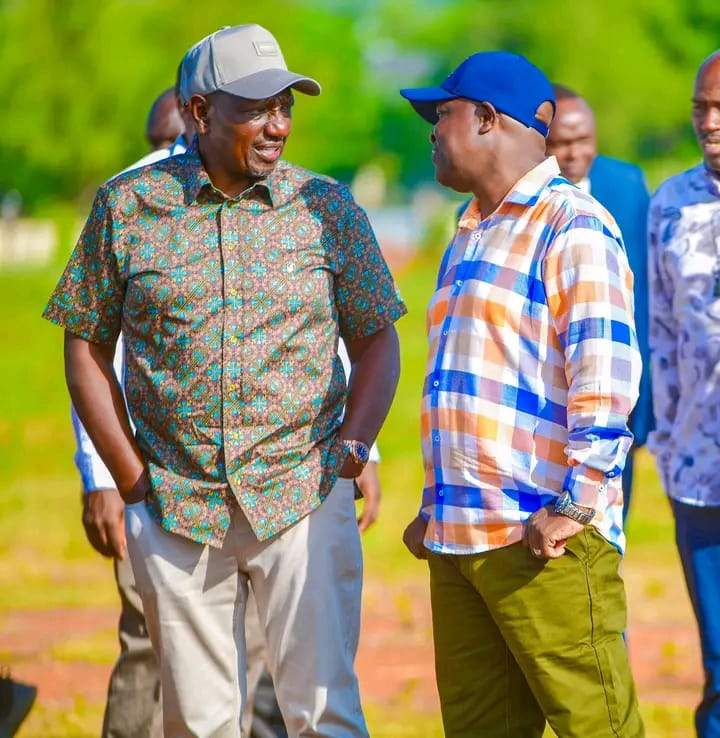
President William Ruto’s recent visit to Kisumu may turn out to be more than a symbolic olive branch extended to an opposition stronghold. The optics of that visit, particularly the visible warmth between Kisumu Deputy Governor Dr Mathew Owili, President Ruto, and ODM elder Dr Oburu Odinga, have reignited debate about the future of Kisumu’s gubernatorial race and the evolving dynamics within the Orange Democratic Movement.
For years, Kisumu has stood as the ideological heartland of ODM, a county defined by loyalty to Raila Odinga, a fierce defence of opposition politics, and resistance to the Kenya Kwanza administration’s political narrative. But politics in Kenya, much like a river, changes course when the terrain shifts. What is now unfolding in Kisumu suggests that the old boundaries between government and opposition are quietly dissolving.
Dr Owili’s political positioning is especially significant. As the Deputy Governor and now a leading contender to succeed Governor Anyang’ Nyong’o, his growing proximity to both State House and the Odinga family hints at an emerging consensus among political elites. “In Kisumu, alignment of this nature is never accidental,” observed a senior ODM figure familiar with the county’s internal dynamics. “It often signals where the wind is blowing within the party.”
Owili has long enjoyed goodwill within ODM’s top circles. Many insiders view him as a steady and acceptable continuity candidate within the Raila Odinga political orbit, a leader who can balance loyalty to the party with pragmatism in dealing with the national government. His public gestures of cooperation with national leaders, combined with his consistent deference to ODM’s core leadership, suggest a carefully managed political recalibration.
This shift mirrors what is happening at the national level. ODM’s increasing engagement with the Kenya Kwanza administration under the cooperation framework has begun to influence county-level politics. Kisumu, once considered unthinkable terrain for such political collaboration, is now emerging as a test case for ODM’s post-opposition identity.
If the party intends to maintain influence and political stability within a cooperative national arrangement, zoning the Kisumu gubernatorial seat in favour of a figure like Dr Owili could appear both strategic and inevitable. His candidacy represents continuity for ODM loyalists, comfort for national actors seeking stability, and a possible bridge across the old political divide.
However, this pragmatic shift also exposes deep tensions within ODM’s base. Aspirants such as Dr Joshua Oron, Aduma Owuor, and Senator Tom Ojienda, who have each cultivated their own followings, may view such a move as premature or exclusionary. Whether they will rally behind a single candidate endorsed by the party hierarchy remains uncertain.
“The danger for ODM is not necessarily losing the seat,” said a Kisumu-based political analyst. “It is the confusion within its ranks. People are asking, what does ODM stand for now — opposition or cooperation?”
Yet in modern Kenyan politics, proximity to power is often the currency of survival. Development projects, government appointments, and political relevance increasingly depend on constructive engagement rather than perpetual confrontation. If Dr Owili eventually emerges as ODM’s consensus candidate, it will signify not just his personal breakthrough but a broader political evolution: the moment Kisumu’s politics formally entered a post-opposition era.
Whether voters embrace this change or resist it will define Kisumu’s next political chapter. What remains certain is that ODM, once defined by protest and defiance, is quietly rewriting its playbook, replacing ideological rigidity with strategic pragmatism. In that unfolding story, Dr Mathew Owili stands at the centre of a delicate and defining transition.