
By Billy Mijungu
There are moments in politics when a movement must look inward and ask itself who can hold the centre when its pillar steps aside. It is true no one can ever fit the shoes of Raila Odinga. He is not just a politician but an era. He is agitation and negotiation rolled into one. He is resilience shaped by decades of contest. But transitions are not about replacing legends. They are about preserving direction, protecting strength, and preparing for the next contest with clarity.
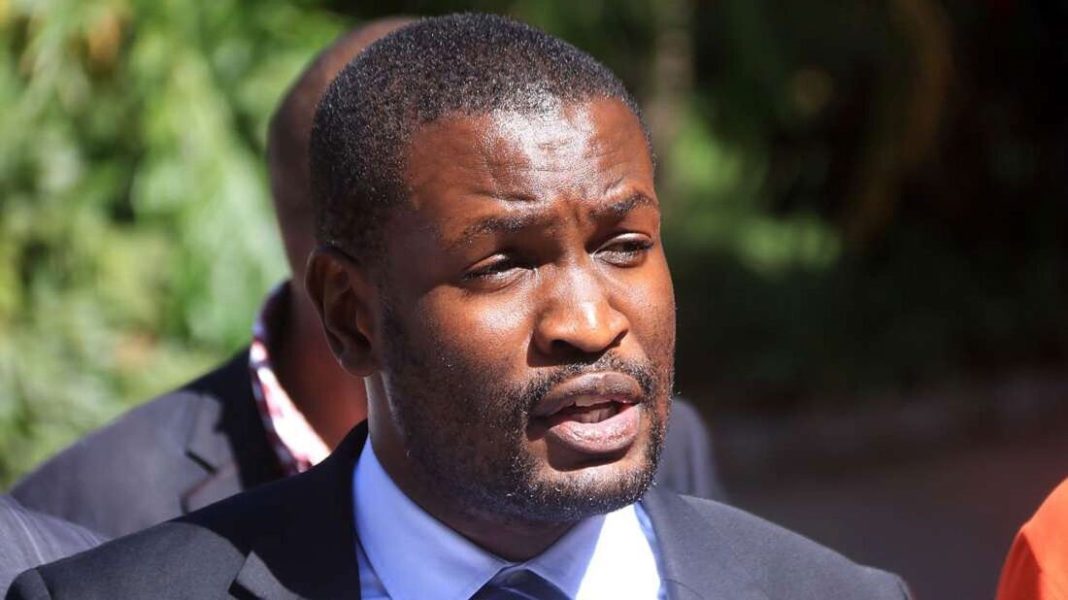
In this delicate hour for Orange Democratic Movement, the party needs a steady hand that understands both the fire of resistance and the arithmetic of power. James Orengo stands out as that hand. He has walked the long road of struggle. He has defended principles in courtrooms and on the streets. He has negotiated in tense rooms where the future of coalitions was decided. He understands that politics is not about noise alone but about leverage.
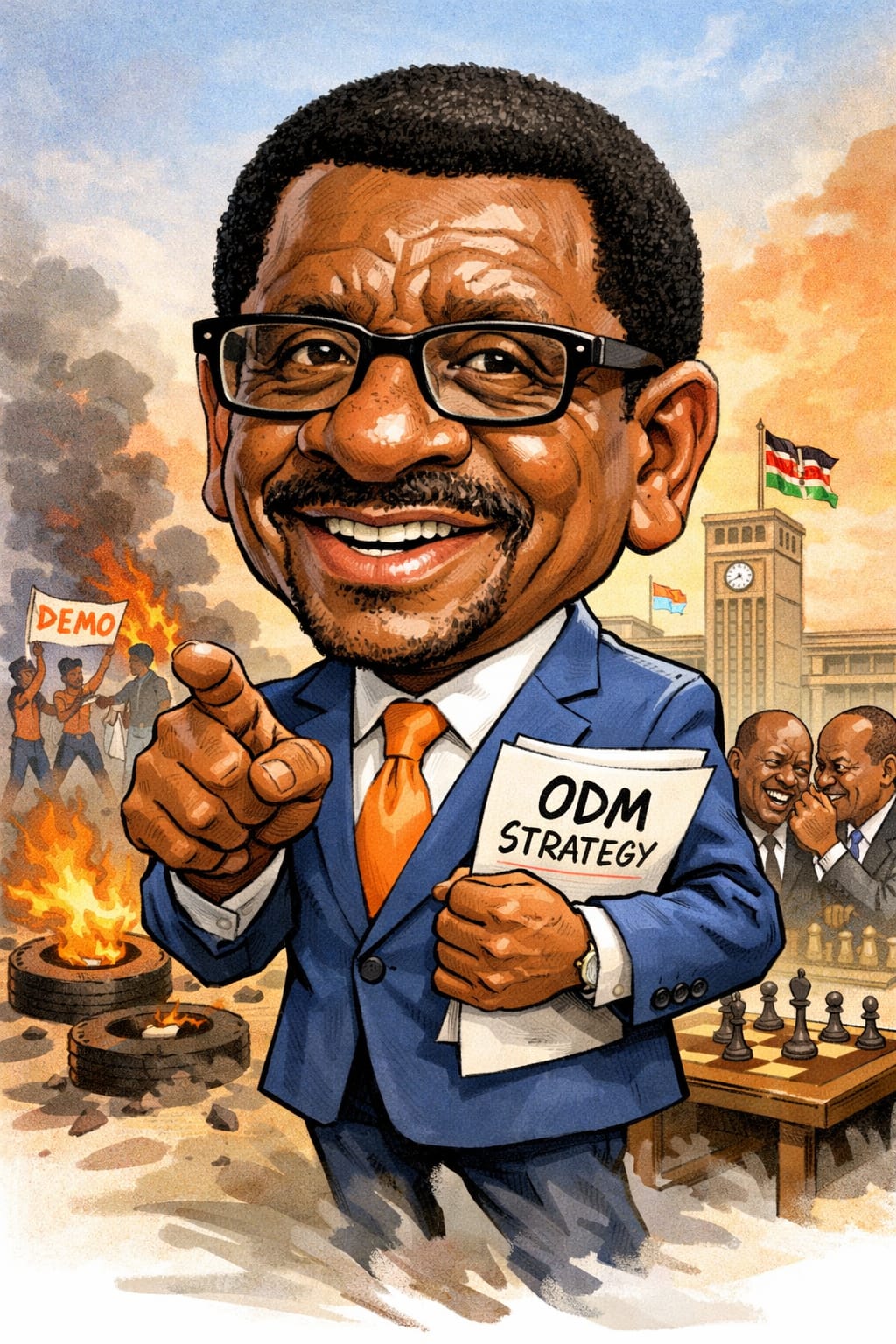
Orengo has watched and studied William Ruto carefully over the years. He knows that power responds to pressure. He knows that negotiation without strength is surrender dressed as compromise. Raila mastered the art of demonstrating political weight before sitting at the table. He would show his adversaries the cost of ignoring his base, then extend a hand of dialogue from a position of influence. That balance between agitation and engagement is what kept ODM relevant through shifting tides.
Today the circumstances are different and the party appears less assertive than it once was. Yet the lesson remains the same. If ODM is to reclaim strategic ground, it must speak with firmness and negotiate with purpose. The Deputy Presidency and other positions of influence should never be treated as distant dreams but as bargaining anchors in any coalition framework. Politics respects those who know their value.
Transitions are rarely gentle. They test loyalty, discipline, and vision. They expose internal weaknesses and external threats. In such times, familiarity with struggle becomes an asset. Orengo and his peers were forged in seasons when dissent carried consequences. They know what it means to defend a movement beyond convenience. They know that unity is built on clarity of purpose, not comfort.
ODM does not need a caretaker spirit. It needs continuity of conviction. It needs someone who understands Raila’s grammar of resistance and the logic of negotiation. Orengo may not be Raila, but he carries echoes of that firmness and that courage. In a transition that demands steadiness rather than spectacle, he offers experience over experiment and strategy over sentiment.