
By Sammy Weya
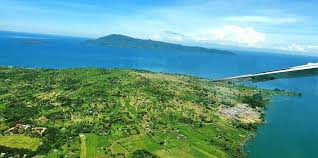
On the green hills rising from the waters of Lake Victoria stands one of Kenya’s hidden treasures — Mfangano Island in Suba North Constituency.
For generations, its forests have protected water sources, prevented soil erosion, and preserved sacred cultural sites. But today, those hilltops are under threat.
Trees are being cut. Slopes are being cleared. And the very ecosystems that sustain fishing, farming, and rainfall are slowly disappearing.
Why This Matters
Hilltops are not just pieces of land. They are:
• Natural water towers
• Climate regulators
• Soil stabilizers preventing landslides
• Cultural and spiritual heritage sites
• The island’s last defense against environmental collapse
When hilltops are stripped of trees:
• Soil washes into Lake Victoria
• Fish breeding grounds are affected
• Farms lose fertility
• Rainfall patterns change
The cost of losing these forests will be far greater than the short-term gains of cutting them.
The Call: Declare Mfangano a Community Conservation Reserve
Local leaders and community members are now calling for:
- Protection of all hilltops and ridgelines as conservation zones
- An immediate halt to indiscriminate tree cutting
- Large-scale planting of indigenous trees
- Community by-laws under Kenyan law to safeguard sensitive ecosystems
Kenya’s Constitution guarantees the right to a clean and healthy environment, and the Community Land Act empowers communities to protect fragile ecosystems for future generations.
This is not about restricting development.
It is about ensuring sustainable development.
A Vision for the Future
Imagine Mfangano where:
• Every household plants indigenous trees
• Mountain tops are green and protected
• Eco-tourism creates jobs
• Youth groups run tree nurseries
• Carbon credits bring climate finance to the island
• The island becomes a model of community-led conservation in Kenya
This is achievable — but action must start now.
Reviving Tourism: The Role of the Airstrip
Conservation and economic growth must go hand in hand.
Mfangano once benefited from tourists flying in for sport fishing and leisure trips, including visitors connecting from destinations such as the Maasai Mara. The island’s airstrip made it possible for high-value tourism — sport fishing, cultural tourism, and eco-experiences — to thrive.
Today, the airstrip has been neglected.
Reviving and upgrading the Mfangano airstrip would:
• Open access to premium fishing tourism on Lake Victoria
• Link Mfangano to Kenya’s established safari circuits
• Create jobs for boat operators, guides, hotels, and youth
• Increase county revenue
• Position the island as a niche eco-tourism destination
A restored airstrip would not threaten conservation — it would support it. Sustainable tourism provides economic alternatives to deforestation and charcoal burning. When communities earn from protecting nature, conservation becomes self-sustaining.
Message to Leaders
We urge:
• Members of Parliament
• Members of County Assembly
• The County Government of Homa Bay
• Environmental and aviation authorities
To support:
- The declaration of Mfangano hilltops as protected conservation zones
- A community-led indigenous reforestation program
- The rehabilitation of the Mfangano airstrip to unlock eco-tourism and fishing tourism potential
Closing Statement
Saving Mfangano’s hilltops is not just about trees — it is about protecting water, livelihoods, culture, and the future of generations to come.
And by restoring access through a functional airstrip, we can ensure that conservation and prosperity rise together — making Mfangano Island a national model for community-led environmental protection and sustainable tourism.
The writer is a former Alego MP, farmer, and businessman.