
By Al Musasia
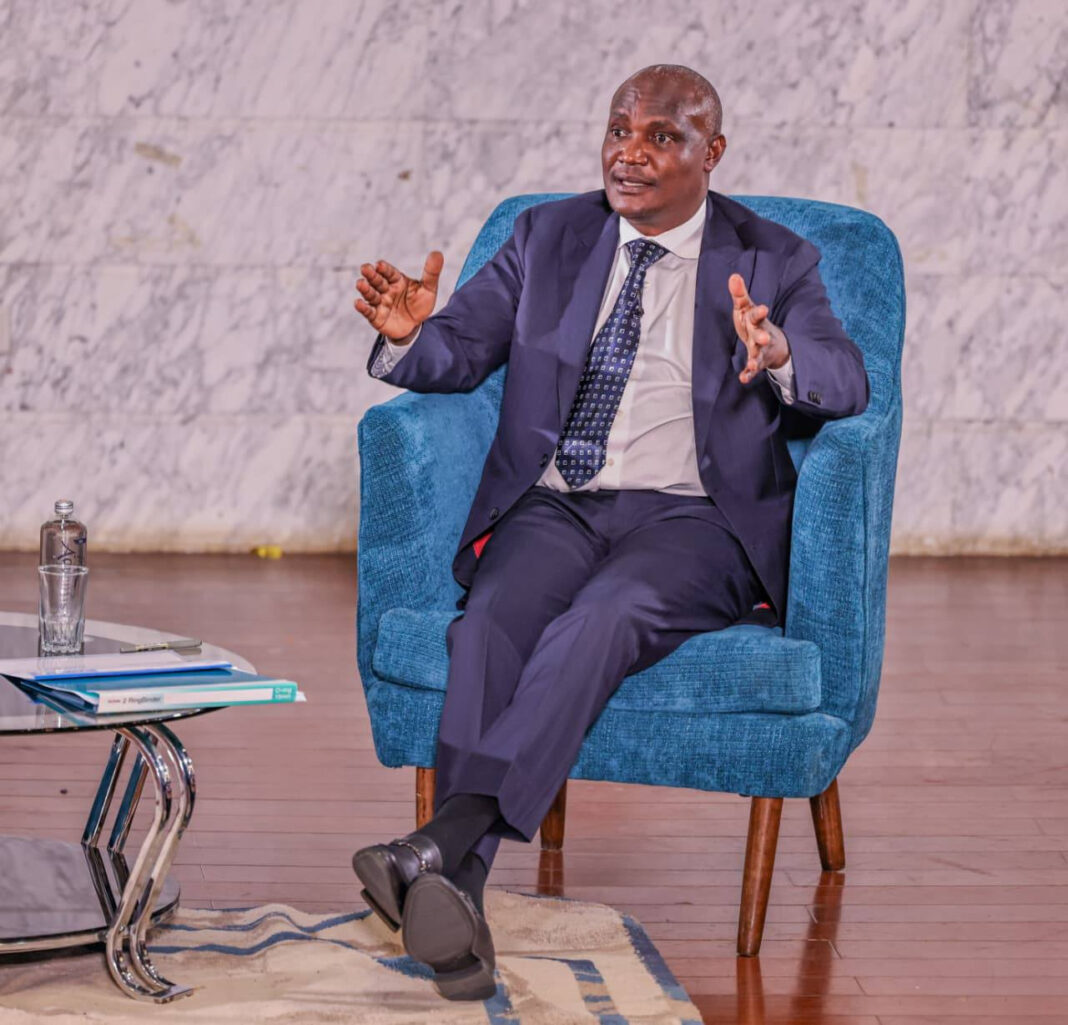
The parallels between the rise of Barack Obama against Hillary Clinton and the emerging contest between Edwin Sifuna and Kalonzo Musyoka are politically significant, not because the contexts are identical, but because they expose the eternal struggle between establishment politics and popular political momentum.
In 2008, Hillary Clinton entered the Democratic primaries as the inevitable candidate. She had the name recognition, institutional backing, the donor networks, the political machinery, and the experience narrative. Much of the Democratic establishment viewed Barack Obama as charismatic but premature – talented, but “not yet ready.” Clinton allies repeatedly framed Obama as inexperienced and risky. Her famous “3 a.m. phone call” advertisement attempted to elevate experience above inspiration, portraying Obama’s youth and relative newness as liabilities in moments of crisis.
Yet politics is not only about résumés. It is about emotional connection, momentum, timing, and the ability to expand the electorate.
Obama’s candidacy created something rare in democratic politics: political excitement beyond traditional party structures. He energized first-time voters, young voters, independents, minorities, and disillusioned Americans who had previously checked out of politics. His appeal was not confined to one geographic region or demographic bloc. He became larger than the Democratic establishment itself.
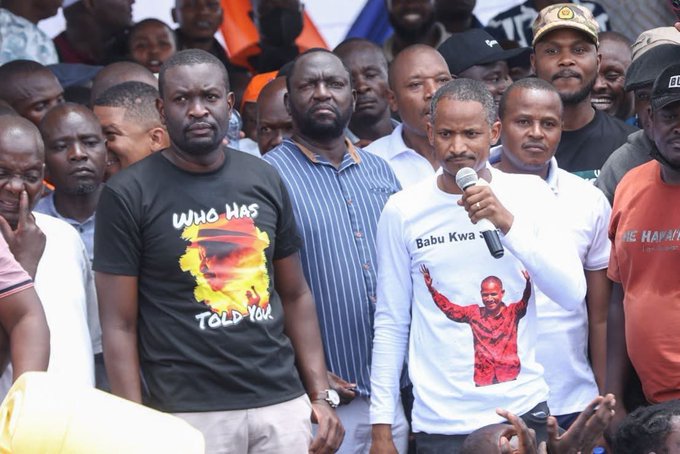
That is precisely where the comparison with Edwin Sifuna begins to emerge.
Like Obama in 2008, Sifuna represents generational energy rather than institutional entitlement. His rise is not rooted in old political structures or succession agreements negotiated in boardrooms. It is rooted in public enthusiasm, communication ability, intellectual sharpness, and emotional resonance with younger voters – especially Gen Z and urban voters increasingly frustrated with traditional opposition politics.
Kalonzo Musyoka, much like Hillary Clinton at the time, represents experience, institutional memory, and establishment continuity. His supporters argue that his years in government, diplomatic exposure, and seniority make him the natural candidate to challenge William Ruto. The argument mirrors precisely what was said about Hillary Clinton: that leadership should flow through experience, age, and familiarity.
But the Obama-Clinton contest demonstrated a hard political truth: experience alone cannot manufacture enthusiasm.
The Democratic Party eventually realized that while Hillary Clinton had institutional strength, Obama had electoral momentum. There is a difference between a candidate people respect and a candidate people are inspired to vote for. Elections are not won merely through elite consensus; they are won through emotional mobilization.
This is the danger now facing the Kenyan opposition.
If the opposition mistakes elite negotiations for public excitement, it risks creating the same disconnect that many political establishments around the world have suffered in recent years. The assumption that Sifuna’s energy can simply be transferred to another candidate, particularly as a running mate, misunderstands the nature of political enthusiasm.
Obama’s popularity was never transferable to another Democratic candidate. It was personal, emotional, and symbolic. The same principle may apply to Sifuna.
Many of the young Kenyans excited by Sifuna are not merely supporting him because he belongs to the opposition coalition. They are responding to what he symbolizes: generational change, intellectual aggression against the status quo, confidence, urban political sophistication, and a break from recycled political arrangements.
That support cannot automatically be inherited by Kalonzo Musyoka through a coalition agreement.
In fact, one of the greatest political miscalculations parties make is assuming that enthusiastic voters are loyal to party structures rather than to the candidate inspiring them. Obama understood this. His campaign built a movement, not just a candidacy. The Democratic establishment eventually adapted to that reality instead of resisting it to the point of fracture.
The Kenyan opposition now faces a similar crossroads.
Kalonzo may bring experience and regional loyalty, particularly in Ukambani, but Sifuna appears to be building something broader: cross-regional urban appeal, youth enthusiasm, digital-era communication strength, and national political conversation dominance. In modern elections, enthusiasm matters because enthusiastic voters volunteer, campaign online, mobilize peers, donate small amounts, and most importantly, turn out to vote.
A politically respected candidate without voter excitement can struggle against an incumbent with a disciplined political machine.
This is where the Obama parallel becomes most important. The Democratic Party avoided a catastrophic split because Hillary Clinton eventually recognized the political reality: Obama had become the stronger electoral vehicle against the Republicans. The establishment adjusted to voter momentum instead of suppressing it.
The Kenyan opposition may face the same strategic decision.
If it imposes a “boardroom candidate” against visible public momentum, it risks creating voter apathy among young and undecided voters. And apathy is often more dangerous to opposition movements than outright opposition support for the incumbent. A disengaged youth electorate could unintentionally hand Ruto another term.
The central political question, therefore, is not simply who is more experienced.
It is: who can expand the electorate? Who can energize first-time voters? Who can dominate national political conversation? Who can inspire volunteers and get organic support? Who can transform opposition politics from protest into movement politics? That is the lesson of Obama versus Clinton.
The Democratic Party eventually recognized that excitement is not a cosmetic political advantage – it is electoral currency. Momentum matters. Inspiration matters. Political chemistry matters.
And history repeatedly shows that when political establishments ignore genuine public momentum, they often pay a heavy electoral price.