By Anderson Ojwang
A book on Kenya’s education system, titled Juakalisation of the Education System in Kenya, will be launched this Saturday at the United Kenya Club.
The book, written by Dr Samwel Agonda Ocholla, an academician, provides both an astounding panoramic perspective and an incisive analysis of Kenya’s education sector.
Ocholla offers a critical history of the education sector, systematically explaining the state of Kenya’s education system and suggesting a roadmap for restorative innovation that would propel the sector into the 21st century.
Juakalisation is a relentless indictment of Kenya’s education system. It serves as a macrocosmic mirror of the issues afflicting Third World education systems, particularly in Africa.
The book provides a framework for analysing the status of education in Kenya, from primary to secondary and university level.
It explores inadequate infrastructural facilities, which pose a serious threat to the quality of education. For instance, only about 35 per cent of students who qualify for admission to public universities manage to secure a place.
Ocholla notes that this scenario begins in kindergarten and continues through primary and secondary school.
The book traces the juakalisation of the education system back to the colonial period when education commissions were set up to initiate reforms in African education. However, these reforms were implemented in a way that entrenched a mentality of subservience, inferiority, and dependence, rather than fostering intellectual freedom.
In 1957, the Beecher Report, which shaped the course of education in colonial Kenya, prioritised quantity over quality. Nearly 45 years later, the National Rainbow Coalition government under President Mwai Kibaki was still advocating for quantity rather than quality.
The author writes that during the Kenyatta and Moi eras, harambee schools were built to accommodate the ever-increasing number of students in primary and secondary schools. However, concerns were raised about the quality of harambee schools, as well as private schools.
Juakalisation was institutionalised at the university level during the 2002/2003 academic year when parallel degree programmes (Module II) were introduced. Admission to these programmes was based on the ability to pay, which compromised the quality of university education and created inequality.
Political interference has resulted in the emergence of numerous education systems, including the harambee school system, the quota system, free or semi-free education, milk-supported education programmes, the 8-4-4 system, model schools, the National Youth Service, and higher education.
By placing excessive pressure on students to succeed in examinations, the curriculum has encouraged rote learning and given rise to various cartels within the education sector.
These cartels include the production of incorrect textbooks, so-called “special” textbooks, and revision textbooks, contributing to the decline of the education system.
The author notes that towards the end of the last decade of the 20th century, affluent families in Kenya began manipulating the education system by paying for examination papers in advance or hiring ghost candidates to sit exams on behalf of their children.
The education system has been so extensively tampered with that it has reached toxic levels, where some students graduate without ever attending a single class, or obtain certificates through proxies.
The commercialisation of education, with its aspect of juakalisation, ultimately boils down to the concept of giving parents what they want, even if it is not in the best interests of learners.
At the start of the 21st century, corruption in the education system had reached unacceptable levels, with many individuals involved in the sector being implicated in one scandal after another.
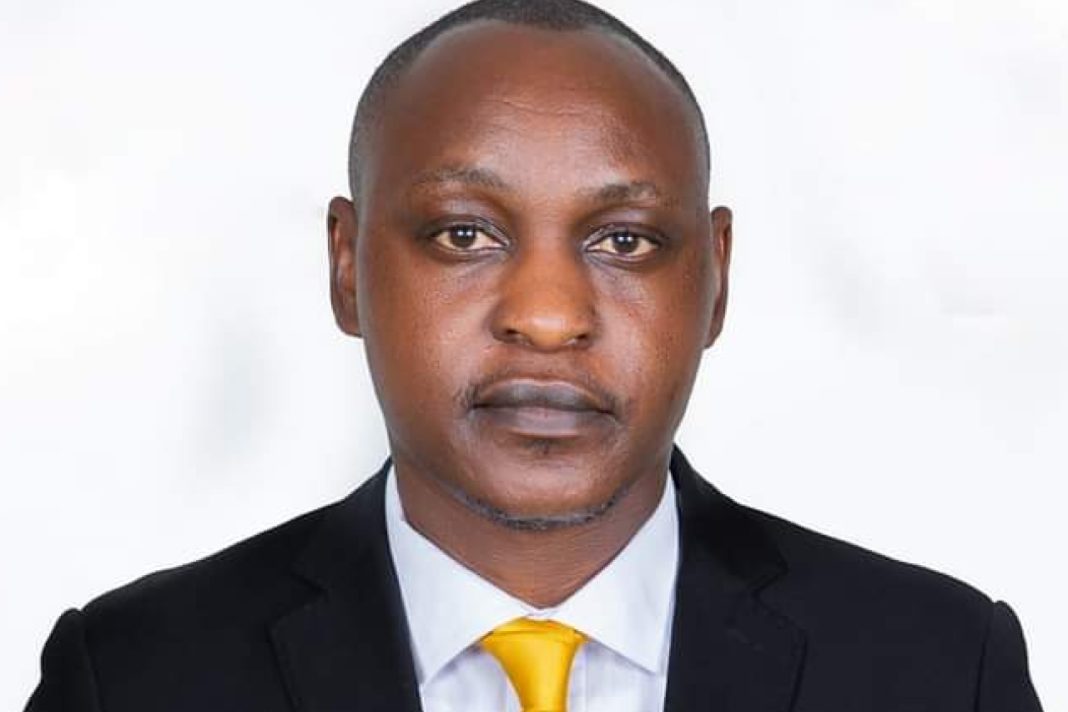
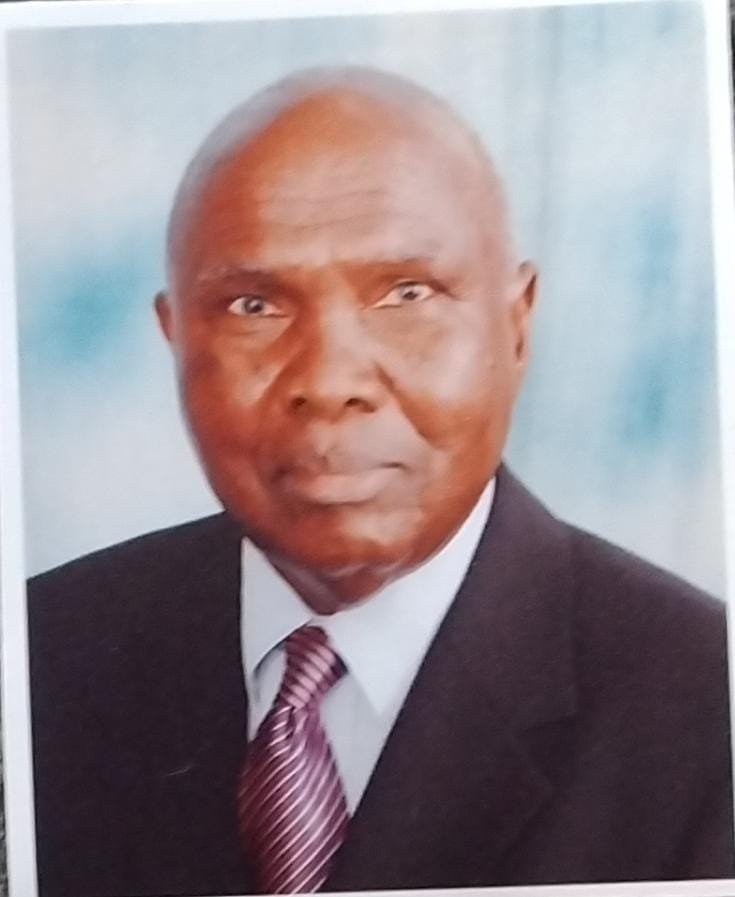
Ocholla has had an illustrious career as an international civil servant across multiple African countries. He retired as Director of the United Nations’ African Institute for Economic Development and Planning and previously served as Director of the United Nations Economic Commission for Africa. He was also one of the founding members of the Preferential Trade Area—now the Common Market for Eastern and Southern Africa (COMESA).