
By Habil Onyango
Alcohol and other substances in the county have recently been on the rise among the youth in Kenya.
According to the National Authority for the Campaign Against Alcohol and Drug Abuse (NACADA) national survey, alcohol is the most abused substance among the youth in the country.
One in every 20 youths aged 15 to 24 (totalling about 367,608 individuals) actively consumes alcohol.
Among higher education groups, up to 87.3 per cent of university students report alcohol availability around them, and roughly 20 per cent report active monthly use.
Youths abuse alcohol and other substances due to a mix of peer pressure, stress, curiosity, joblessness, and easy access.
Many young people use drugs or alcohol to fit in with friends, cope with emotional pain, or escape from family and school problems.
According to the Homa Bay County NACADA Director, Monicah Akumu, a survey conducted in 2024 in the county revealed that alcohol was the leading substance of abuse among youths, especially among university students.
She said the survey showed that at least one in six students was found to be using a substance, with alcohol being the most common, followed by tobacco and finally bhang.
She attributed this to the availability of illicit brews and lower prices, particularly in slums like Shauri Yako in Homa Bay Town.
However, Blue Cross, a non-governmental organisation (NGO) focused on prevention, treatment, and aftercare interventions regarding alcohol and substance abuse, has now launched a programme to curb this menace.
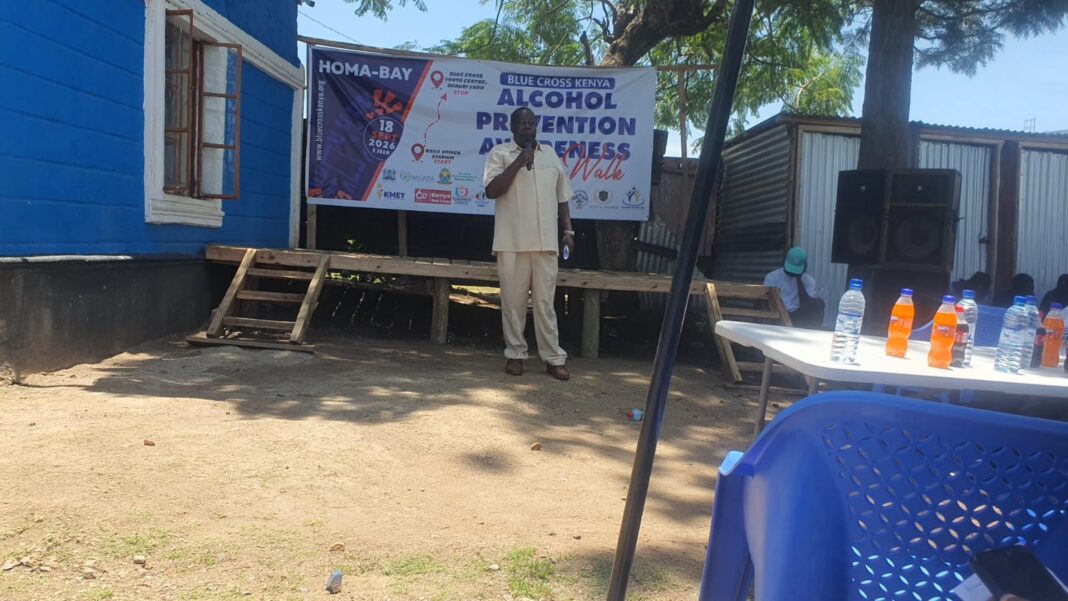
Speaking during a walk aimed at raising awareness about alcohol and drug abuse, the organisation’s director, Ismael Shem, described the rising cases of alcohol abuse and illicit brew in Homa Bay as a menace.
“The prevention walk was meant to create awareness among the community of Homa Bay and surrounding areas on how alcohol and other drug abuse are harmful to the community,” he said.
“We have partnered with other stakeholders to sensitise the community on the dangers of alcohol harm since it is no longer an individual fight but one that affects the whole community,” he added.
According to the director, the organisation is working closely with entities like NACADA Kenya and regional county governments, including active outreach and stakeholder engagements across Kisumu, Homa Bay, Kakamega, and Kiambu counties.
“Our core focus areas include youth and school programmes where we mobilise peer education, school clubs, and youth groups using art, sports, and life skills to promote drug-free choices,” he explained.
“We also conduct community mobilisations through public awareness walks, town halls, stakeholder dialogues with religious and community leaders, and policy advocacy by collaborating on national and regional strategies addressing alcohol control policies, harm reduction, and the health impacts of substance use,” he added.
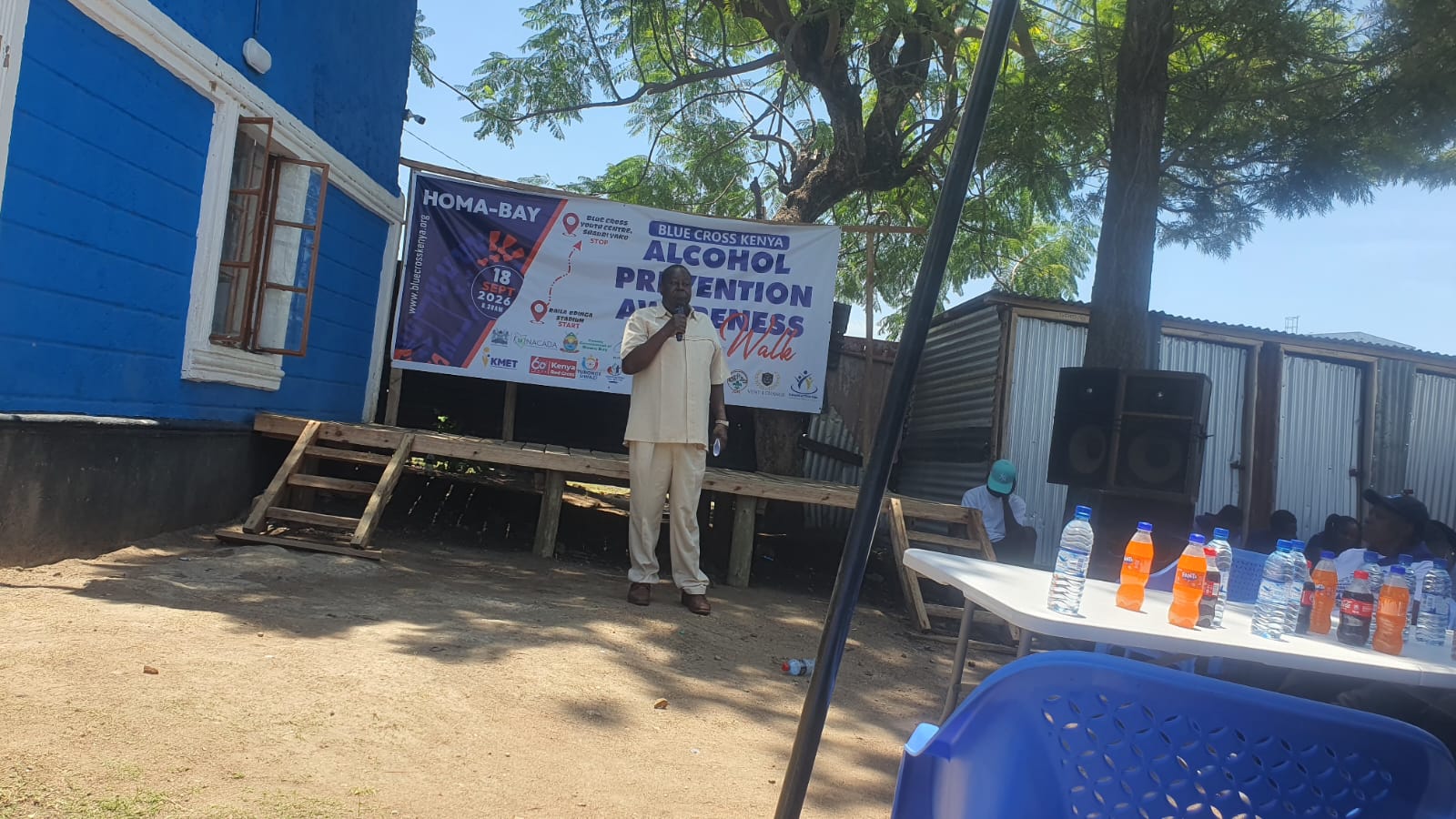
Shem revealed that Shauri Yako estate is one of the areas they have targeted since it is one of the slums heavily impacted by alcohol-related harms.
He revealed that the organisation has also been engaged in rehabilitating hundreds of addicts for the past 30 years since its existence in the country. He said they have been working closely with children, schools, communities, youths, and families affected by this menace, emphasising that their main vision is a sober community.
“We are starting with small communities, and we truly believe and are committed to assuring them that hope and solutions always exist within themselves and their strength to build a sober community,” he said.
“Alcohol is not an ordinary commodity. I know most communities and even many adults I have met have accepted and admitted that it is a business of its own kind,” he said.
He pointed out that selling alcohol to communities, especially to young children or youths, has led people to believe that growing up in such environments is the best community they can have.
“In every family, whether affected directly or indirectly, there is usually one alcoholic, and this impacts both adults and the young,” he added.
According to the National Institutes of Health (NIH), children as young as six can be exposed to alcohol, often through family settings, accidental ingestion, or cultural practices, which pose serious health and developmental risks.
“I do not know any responsible adult who would sell or give alcohol to a six-year-old to intoxicate or make them happy,” he stated.
Goonism and alcohol abuse in Homa Bay
Homa Bay Town Deputy County Commissioner Felix Sigei linked the rising culture of goonism in Homa Bay to alcohol and substance abuse in the county.
The county has often been in the limelight due to the increasing number of youths involved in attacks, killings, and property destruction during political events.
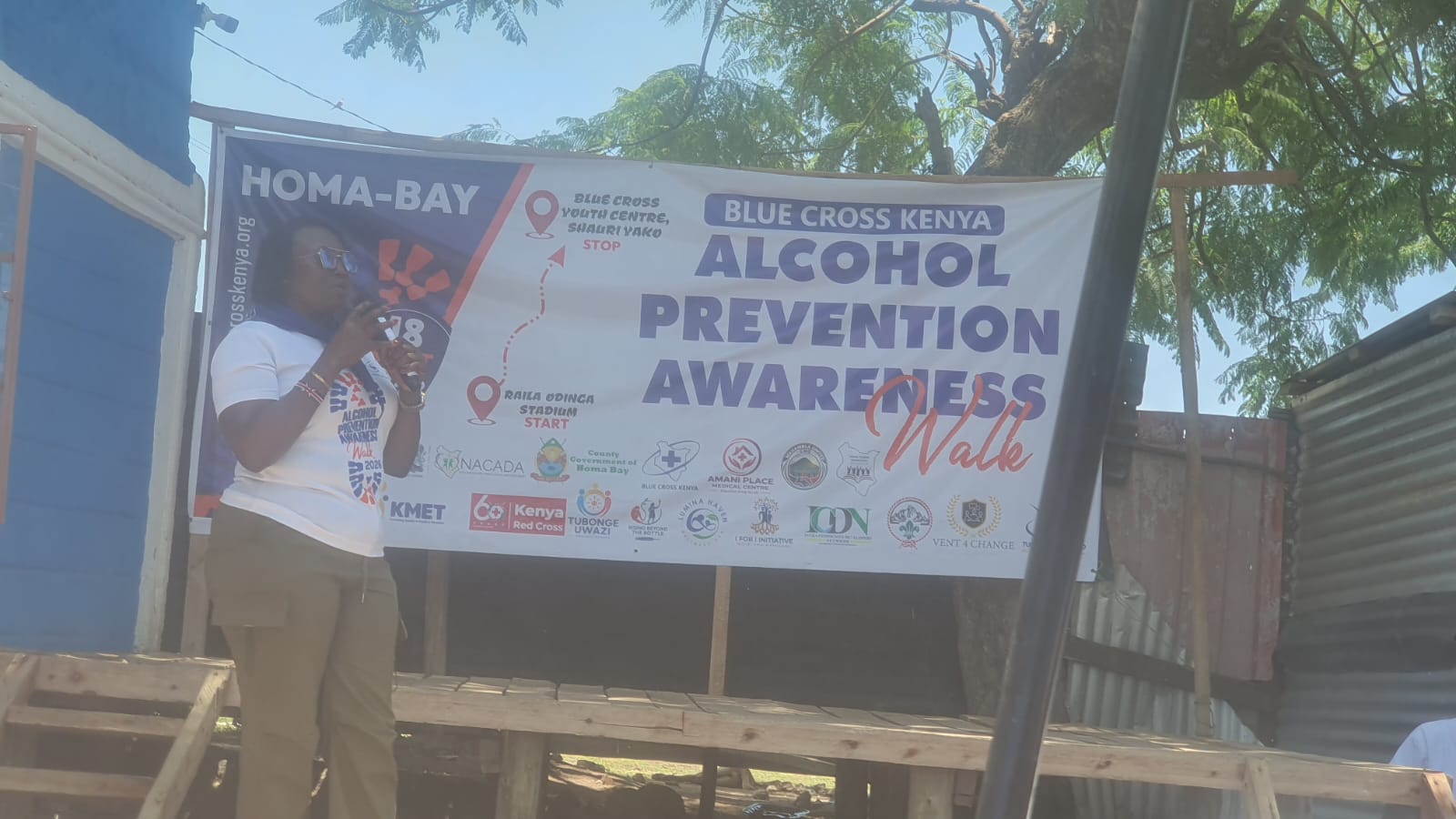
He warned politicians against involving youths in such activities and urged them to engage youths in productive ways.
He also announced that the government has launched a crackdown on the sale of illicit brews and counterfeit alcohol in the county.
The DCC affirmed that they will ensure that bars and liquor outlets operating beyond permitted hours are closed, and their owners brought before the courts.
He called on youths to benefit from various empowerment programmes initiated by President William Ruto’s government rather than being manipulated by politicians.
“I want to urge our youths to stop engaging in drugs and alcohol abuse. As much as unemployment and poverty may tempt you to seek escape through leisure and crime, it should not be the case,” he said.
“The government has introduced several youth empowerment programmes, such as Nyota and Uwezo Fund, among others, which they should leverage to start their businesses instead of engaging in alcohol and substance abuse,” he added.
He also linked the rise of goonism in Homa Bay to alcohol and substance abuse and urged political leaders to stop involving youths in violence, noting it paints a bad picture.
The DCC encouraged development partners and stakeholders to review their achievements to evaluate their impact.
“We should know what progress we have made so far; these campaigns have been ongoing for some time, and if progress is minimal, we should consider new strategies such as research to understand why there is little impact despite ongoing efforts,” he concluded.