
By Anderson Ojwang
He is regarded as a master planner and political mobilizer. For more than four decades, he has operated at the heart of President William Ruto’s political journey.
In him, President Ruto has often found a dependable strategist — meticulous with details, fearless in political contests, and adventurous in his approach to campaign battles that at times appeared untenable.
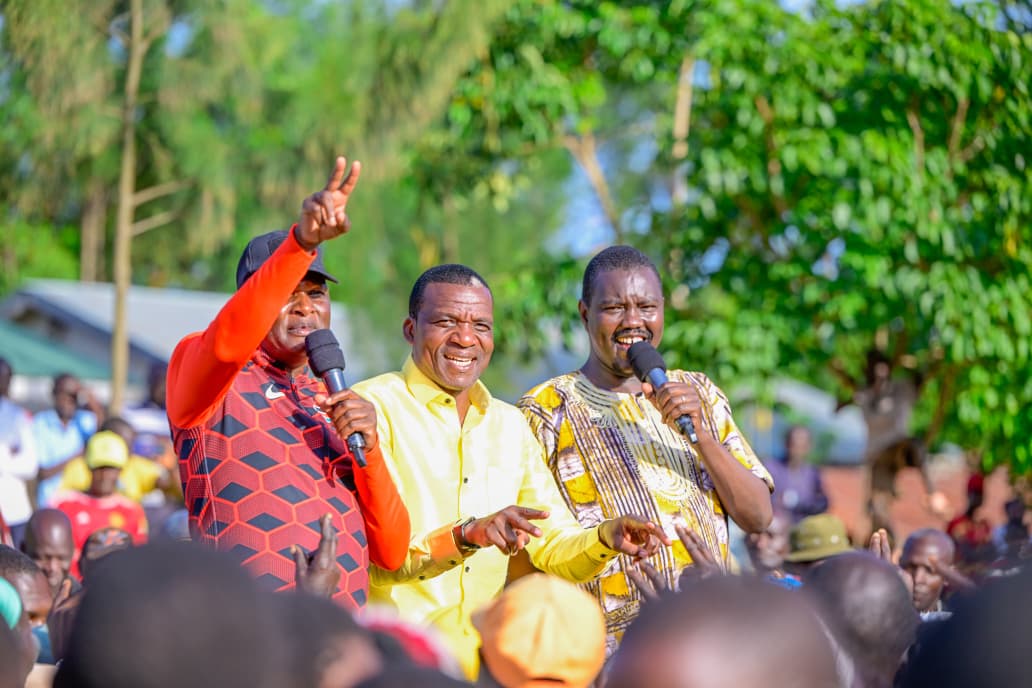
Meet Faruk Kibet Teigut, President Ruto’s long-serving aide, whom members of the Kabras clan in Kakamega County have christened Akhonya — meaning “the helper.” The name, locals say, captures his political brand: a mobilizer with an expansive network and a readiness to lend support across communities.
Delivering Malava
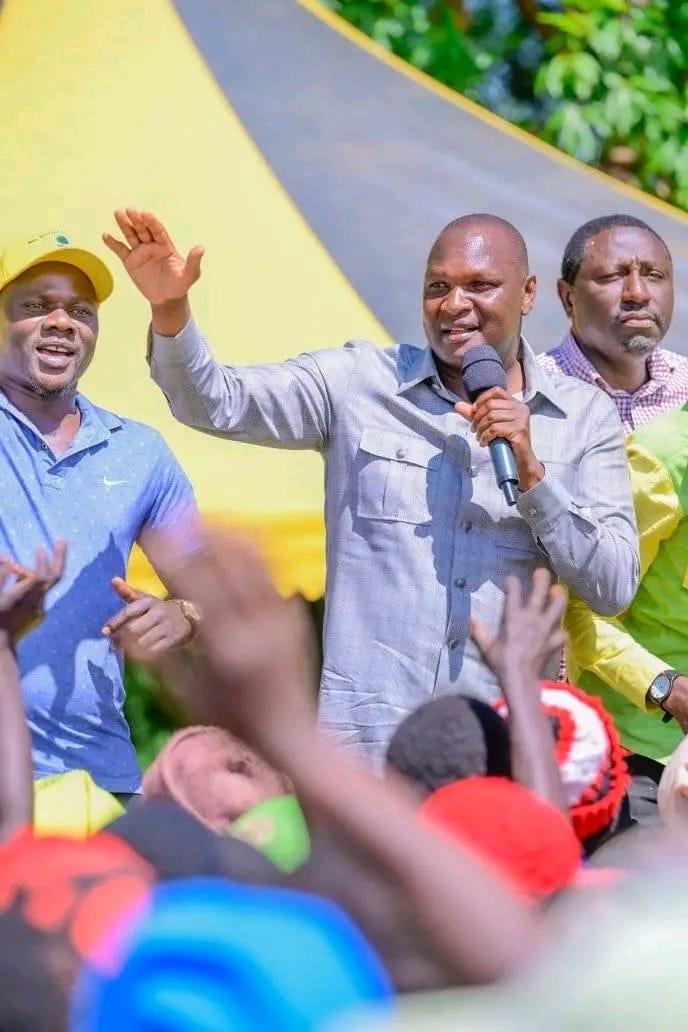
In last year’s November by-election in Malava Constituency, President Ruto entrusted Faruk with the task of delivering victory for the United Democratic Alliance (UDA) candidate, David Ndakwa. Ndakwa won the seat against stiff competition.
Faruk pitched camp in the constituency for more than three months, traversing villages, markets, and churches to popularize the party’s agenda.
Now, the President has once again deployed him to Western Kenya — this time to oversee UDA’s campaign in the West Kabras ward by-election scheduled for February 26.
Sources close to the campaign say Faruk has been spending most of his time in the ward, often staying at the homes of friends and allies and rarely traveling back to Eldoret or Nairobi.
A Tough Contest in West Kabras
In the upcoming by-election, UDA candidate Elphas Shalakha faces a competitive field that includes Bramwel Khaemba (DCP), Edward Indumuli (ODM), Nivah Musa (DAP-K), and a candidate from the National Economic Development Party associated with former Nairobi Governor Mike Sonko.
UDA Kakamega senatorial aspirant Stephen Shikanda says Faruk’s presence on the ground gives the party an advantage.
“Faruk was able to penetrate Luhya politics through Malava. In Malava he is more loved than the MP and that is why he is likely to deliver the ward seat. It is a tough battle against the opponents but he is more prepared for it,” Shikanda said.
Building Political Networks in Kabras
Fluent in the Luhya language and conversant with the Kabras dialect, Faruk has built long-standing ties in the region.
His engagement with the area dates back to 2007, when he was associated with local political activities involving the late ODM aspirant Musavini. He later became close to the late Housing Minister Soita Shitanda, who introduced him to his political network before his death in 2016.
Faruk also worked closely with the late Malulu Injendi and has maintained his presence in Malava and surrounding areas since.
Over the years, he has supported empowerment drives for women’s groups, youth organizations, widows, and boda boda associations across the seven wards of Malava Constituency. Beneficiaries say the initiatives helped them start small businesses and improve their livelihoods.
His ability to speak directly in the local dialect has further strengthened his grassroots appeal, with many residents now describing him as one of their own.
Campaign Style and Messaging
During the Malava mini-polls, Faruk became a constant presence in the constituency, conducting early morning visits and presiding over development-related engagements.
His efforts saw him square off politically against leaders such as Trans Nzoia Governor George Natembeya, Kakamega Senator Bonny Khalwale, DAP-K leader Eugene Wamalwa, and candidate Seth Panyako.
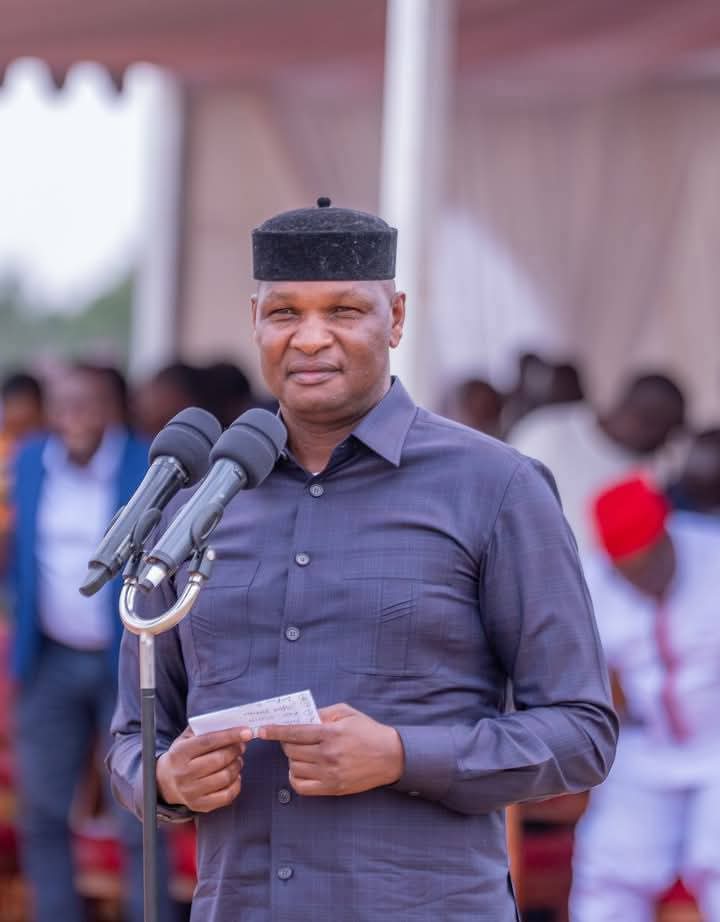
At campaign rallies, Faruk framed the contest as a choice between development and conflict.
“Mimi nataka kuona mkono ya maendeleo hapa. Ni Ndakwa au si Ndakwa. Nyinyi munataka kuona mkono ya vita.”
(“I want to see the hand of development here. Is it Ndakwa or not? Do you want to see the hand of conflict?”)
He added:
“Anatisha watu na vita. Omba kura na amani. Mtu ya vita yeye anafanya vita na haja pata kura. Akipata kura atawafanyia nini?”
(“They are threatening people with violence. Ask for votes peacefully. If someone is already causing conflict before getting votes, what will they do after being elected?”)
On infrastructure, he told residents:
“Hii barabara nimepitia ni mbaya sana, nitume grader.”
(“I passed through this road and it is in a bad state; I will send a grader.”)
And on unity, he urged peaceful campaigns:
“Wewe ukiwa jirani na unakula na jirani yako hakuli, ni vizuri ukule naye. Wewe upinzani omba kura ya amani.”
(“If you are eating and your neighbour has nothing, it is good to share. If you are in the opposition, ask for votes peacefully.”)
Focus on Issues
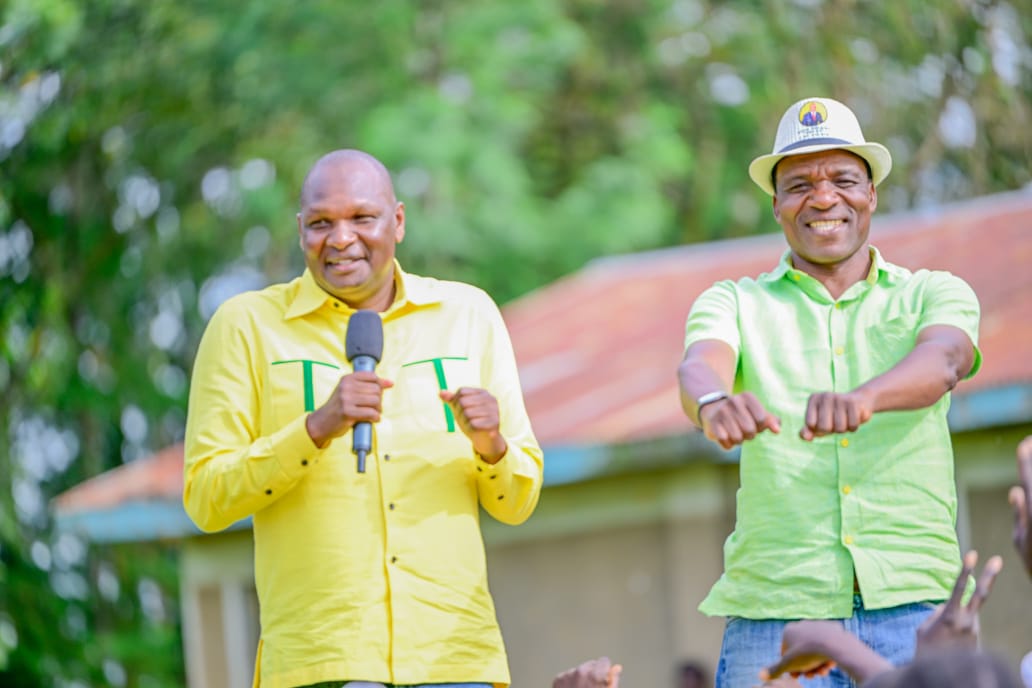
Faruk has criticized opponents for what he describes as attempts to personalize the campaign by dragging President Ruto and his allies into the contest rather than focusing on local development issues.
He maintains that his approach will center on issue-based campaigns and grassroots mobilization.
As President Ruto seeks to consolidate support in Western Kenya, particularly among Luhya voters, Faruk’s continued presence on the ground underscores the strategic importance of the region ahead of future political contests.
Whether his political machinery will once again deliver remains to be seen, but for now, Faruk — dubbed by allies as the President’s “Bwana Dawa” — is firmly back on the campaign trail in West Kabras.