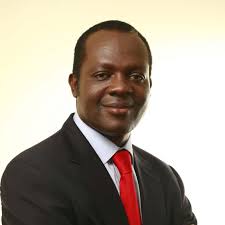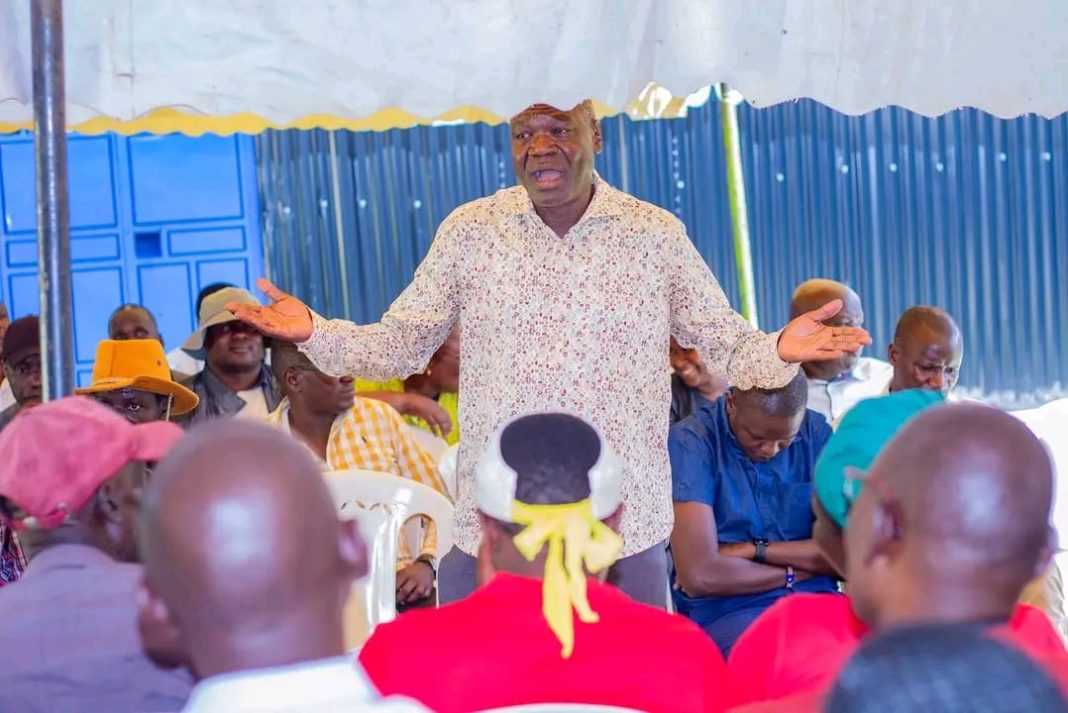

By Hon. Sam Weya
There is indeed an ongoing public debate in Kenya about whether the next elections (expected in 2027) will be free, fair, and credible, and whether the Independent Electoral and Boundaries Commission (IEBC) is sufficiently prepared.
To understand the issue clearly, it helps to look at three areas:
- Legal framework for elections
- Preparedness of IEBC
- Measures in the Elections Act on voter registration and inspection.
Legal Framework for Free and Fair Elections in Kenya
Kenya’s elections are governed by the Constitution of Kenya (2010) and the Elections Act, 2011.
The Constitution requires elections to be:
• Free and fair
• Transparent and verifiable
• Accurate and accountable
• Secure and efficient
These principles were emphasized by the Supreme Court when it nullified the 2017 presidential election, citing failures in result transmission and compliance with electoral laws.
The body mandated to implement elections is the Independent Electoral and Boundaries Commission (IEBC).
Current Preparedness of IEBC (2025–2027 Election Cycle)
IEBC states that it has begun preparations early for the next election cycle.
Key activities underway include:
a) Continuous Voter Registration (CVR)
• Voter registration is ongoing at all 290 constituency offices.
• Eligible citizens with a national ID or passport can register, transfer registration, or update details.
b) Mass Voter Registration
• A new phase of mass voter registration is scheduled to start 30 March 2026.
• The goal is to register millions of new voters, especially youth.
c) Technology and System Upgrades
IEBC says it is implementing:
• Digitization of voter registration systems
• System upgrades
• Improved voter registration processes
• Election operations planning for the 2025–2027 cycle.
d) Stakeholder Engagement
IEBC is working with:
• political parties
• civil society
• media
• security agencies
• development partners
This engagement is meant to improve transparency and trust in the electoral process.
Measures in the Elections Act on Voter Registration and Inspection
The Elections Act and IEBC regulations require several safeguards.
(A) Continuous Voter Registration
IEBC must:
• Allow eligible citizens (18+) to register as voters.
• Keep the voters’ register updated continuously.
(B) Inspection of the Voter Register
Before an election, the law requires:
Public inspection of the voters’ register, allowing citizens to:
• Verify their names
• Check polling station details
• Report errors
• Object to illegal registrations
Inspection usually lasts at least 30 days.
During this period citizens can:
• correct details
• remove deceased voters
• challenge fraudulent registrations.
(C) Publication of the Register
IEBC must:
• Publish the provisional voter register
• Allow public scrutiny
• Publish a final certified register before elections.
4. Technology Safeguards
Kenya also uses several election technologies:
1. Biometric Voter Registration (BVR)
Captures fingerprints and biometric data.
2. Electronic voter identification (KIEMS kits)
Used at polling stations.
3. Electronic results transmission
From polling stations to tallying centers.
These technologies were introduced to improve accuracy and transparency, though they have also been sources of political controversy.
5. Concerns Being Raised
Despite the legal framework, several concerns are currently debated in Kenya:
• Delays in electoral law reforms
• Funding challenges for IEBC
• Low youth voter registration
• Rising misinformation and digital manipulation
• Institutional trust issues following previous elections.
These concerns are why many political actors and civil society groups are calling for early reforms before the 2027 election cycle.
In summary:
Kenya has a strong legal framework requiring elections to be transparent and verifiable, and IEBC has begun preparations such as mass voter registration and system upgrades. However, concerns remain about funding, reforms, institutional trust, and implementation.
If you want, I can also explain:
• The biggest risks that could affect the 2027 elections in Kenya
• Weak points in the Elections Act that critics say must be fixed before 2027
• How voter register manipulation happens in African elections and how it can be prevented.
Since there are concerns about the credibility of future elections in Kenya, it is important to understand three key areas experts say must be strengthened before the next general election in 2027:
1️⃣ Risks that could affect election credibility
2️⃣ Weak points in the Elections Act and electoral system
3️⃣ Practical measures that can prevent manipulation of the voter register.
1. Major Risks That Could Affect the 2027 Elections
Several governance and institutional risks are often discussed by political analysts, civil society, and election observers.
A. Leadership and Independence of IEBC
The credibility of elections depends heavily on the independence of the Independent Electoral and Boundaries Commission (IEBC).
Key concerns raised include:
• Delays in appointing commissioners
• Political interference in the commission
• Lack of full staffing during key electoral preparation periods.
Without a fully constituted commission, important activities such as boundary review, procurement of election technology, and voter registration drives may be delayed.
B. Trust in Election Technology
Kenya uses electronic systems such as KIEMS kits for voter identification and results transmission.
Past controversies arose during the 2017 Kenyan presidential election nullification, when the Supreme Court of Kenya annulled the presidential results due to irregularities in the transmission and verification process.
Risks include:
• Failure of electronic kits
• Cybersecurity threats
• Lack of transparency in transmission servers.
C. Political Polarization
Kenya’s elections are often highly competitive and polarized. When political actors lose trust in institutions before elections, disputes are more likely.
Risks include:
• premature declaration of results
• misinformation campaigns
• pressure on electoral officials.
D. Funding and Procurement Delays
Election management requires billions of shillings for:
• voter registration kits
• KIEMS kits upgrades
• ballot printing
• training polling staff.
Delays in funding can affect preparedness.
2. Weak Points in the Elections Act
The Elections Act (Kenya) provides the legal framework, but experts argue some areas need improvement.
A. Result Transmission Laws
The law requires:
• electronic transmission of results
• physical forms (Form 34A/34B etc.) for verification.
However, ambiguity remains about which result is final if systems conflict.
B. Voter Register Integrity
The voter register must be accurate, but problems that have been reported in the past include:
• deceased voters remaining in the register
• voters appearing in wrong polling stations
• duplicate records.
C. Campaign Finance Regulation
The Election Campaign Financing Act (Kenya) exists but has not been fully implemented.
Without enforcement:
• campaign spending is largely unregulated
• wealthy candidates gain unfair advantage.
3. Safeguards for Voter Registration and Inspection
The law already provides important safeguards.
A. Public Inspection of the Voters Register
Before elections, the register must be opened for public inspection for at least 30 days.
During this period citizens can:
• verify their registration
• correct personal details
• report duplicate registrations
• challenge suspicious voters.
B. Integration With National Databases
IEBC cross-checks the register with:
• national ID database
• civil registration (death records).
This helps remove deceased voters.
C. Political Party Agents
Political parties are allowed to:
• monitor voter registration
• inspect the voter register
• verify polling station allocations.
D. Election Observation
Independent observers from groups such as European Union Election Observation Mission and African Union often monitor Kenyan elections.
They assess:
• fairness of the process
• transparency of results
• compliance with election laws.
4. Reforms Experts Say Are Needed Before 2027
Many governance experts recommend the following reforms:
1️⃣ Early appointment of a fully independent IEBC commission.
2️⃣ Full audit of the voter register before elections.
3️⃣ Transparency of election technology and servers.
4️⃣ Full implementation of campaign finance regulation.
5️⃣ Stronger penalties for electoral malpractice.
✅ In simple terms:
Kenya already has strong election laws, but the real challenge is implementation, transparency, and institutional independence.
It is useful for citizens to understand how election manipulation can occur and what practical steps can protect the vote. Many election observers say that in most countries, problems rarely occur only on election day—they often start months before during voter registration and preparation.
Below are some of the common ways voter registers are manipulated and how citizens can detect or prevent them.
1. How Voter Register Manipulation Happens
The voter register is the foundation of an election. If it is compromised, the entire election can be affected.
A. Ghost Voters
This occurs when non-existent people are added to the register.
How it happens:
• Use of fake ID numbers
• Registration of people who do not exist
• Failure to remove deceased voters.
Why it matters:
• Ghost voters can inflate turnout in certain polling stations.
Safeguard:
Cross-checking with civil registration records and national ID databases.
B. Multiple Registrations
A person registers more than once in different polling stations.
Although Kenya uses biometric registration, problems can occur if:
• biometric kits malfunction
• systems are not fully synchronized.
The **Independent Electoral and Boundaries Commission uses biometric voter registration (BVR) to reduce this risk.
C. Transfer of Voters to Different Polling Stations
Sometimes voters find themselves moved to a different polling station without their knowledge.
Impact:
• voters arrive at their usual station but cannot vote
• turnout is reduced in certain areas.
This is why inspection of the voter register is critical.
D. Selective Voter Registration
In some cases:
• registration centers are opened more frequently in some regions than others
• equipment or staff are unevenly distributed.
This can affect how many voters register in different areas.
2. Warning Signs Citizens Should Watch Before Elections
Citizens, civil society groups, and political parties should monitor:
✔ Large increases in voters in certain polling stations.
✔ Many voters discovering their names missing from the register.
✔ Delays in publishing the provisional voter register.
✔ Lack of transparency in election technology procurement.
✔ Restrictions on observers or party agents.
These warning signs often appear months before an election.
3. How Citizens Can Protect the Vote
Democratic elections are strongest when citizens actively participate in oversight.
A. Inspect the Voter Register
The Independent Electoral and Boundaries Commission must open the register for public inspection before elections.
During inspection you should:
• confirm your name
• confirm your polling station
• check your ID number is correct.
If there is an error, you can request correction.
B. Register Early
Avoid registering at the last minute.
Early registration allows time for:
• corrections
• verification
• transfer requests if needed.
C. Community Monitoring
Civil society organizations often train citizens to monitor elections.
Groups such as the Election Observation Group deploy observers across the country to monitor the process.
D. Polling Station Transparency
At the polling station level:
• results are recorded on official forms
• the results are publicly displayed
• party agents sign the forms.
This transparency helps reduce manipulation at the counting stage.
4. The Most Critical Stage of the Election
Election experts say three stages determine credibility:
1️⃣ Voter registration
2️⃣ Transmission of results
3️⃣ Final tallying.
Many disputes in Kenya have focused on results transmission, including issues raised during the 2017 Kenyan presidential election nullification by the Supreme Court of Kenya.
Key takeaway:
Strong laws alone do not guarantee free elections. Transparency, independent institutions, and active citizen oversight are what protect the vote.
The writer is a former Alego MP, Businessman and a farmer