
By Reporter
For many Nairobians, particularly those who have spent their lives in the city, the mention of a slum often evokes a familiar stereotype. We are conditioned to believe that the youth who live in these communities are criminals, phone snatchers, drug users, and individuals who have somehow chosen a life of lawlessness. It is a narrative that has been repeated for decades, shaping public perception and influencing how society engages with some of its most vulnerable citizens.
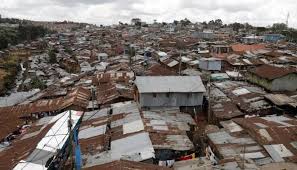
This year, I made a deliberate decision to challenge that narrative. I spent considerable time in informal settlements across Kibra and Lang’ata, not as an observer passing through, but as someone seeking to understand the realities of the people who call these communities home. I attended Kamukunji Bunge la Wananchi, sat with young people in Lang’ata, shared meals and tables with them, listened to their stories, and engaged in countless conversations about their lives, their aspirations, and their frustrations.
What I discovered has been one of the most profound learning experiences of my life.
The youth of our informal settlements are not criminals. They are not inherently wayward. They are young Kenyans searching for opportunities in a country where poverty is often manufactured through exclusion, neglect, and unequal access to resources. Like any other young people, they dream of a better future. They want jobs, education, dignity, and a chance to contribute meaningfully to society.
Yet their realities are shaped by challenges that many outside these communities rarely understand.
One young man captured this frustration in a few painful words: “Tunakaa kwa nyumba, hakuna mauradi ama mauradi ziko lakini lazima ujuane na chifu. Inabidi tuibie wasee.” We stay at home. There are no jobs, or when opportunities arise, they are reserved for those with connections. We are left with no option but to steal from others.
His words reveal a deeper truth. Unemployment remains one of the leading drivers of crime in informal settlements. Young people are willing to work, but opportunities are scarce and often distributed through patronage networks. When livelihoods depend on who you know rather than what you can do, frustration grows. Hunger grows. Desperation grows.
The solution is not condemnation; it is opportunity.
Both the national and county governments must become more deliberate in creating sustainable pathways for youth employment. Skills training programmes must be expanded and made accessible. Community-based industries such as waste recycling, environmental conservation, urban farming, and sanitation initiatives should be developed to create jobs within the settlements themselves. When young people are given meaningful work, crime declines, incomes rise, and communities become safer and more prosperous.
Water presents another urgent challenge. In many parts of the settlements, residents pay between two and five shillings for water that should be readily available and affordable. Yet water is not a luxury—it is life. Without reliable access to clean water, sanitation becomes impossible, health risks increase, and families are forced to spend a significant portion of their income on a basic necessity.
The continued exploitation of slum residents by water cartels is unacceptable. Governments must invest in reliable and affordable water infrastructure that serves these communities directly. Organizations such as Shofco have demonstrated what is possible through consistent water provision in Kibra. Their efforts show that when access is prioritized, lives improve. Scaling such interventions would lead to healthier communities, reduced disease outbreaks, and greater economic stability for families.
Electricity is equally concerning. During my visits, one resident lamented, “Manyumba zetu zinachomeka.” Our houses keep burning down.
Because of high electricity costs and limited access to safe connections, many residents resort to illegal and unsafe power connections. The consequences are devastating: frequent fires, loss of property, injuries, and sometimes loss of life. If Kenya is serious about improving living conditions in informal settlements, it must explore subsidized electricity programmes and affordable solar energy solutions. Safe and affordable power would reduce fires, improve security, support small businesses, and enhance the overall quality of life.
Education remains perhaps the most critical challenge of all. Many informal settlements lack adequate schools, and where schools exist, fees often remain beyond the reach of struggling families. The result is that thousands of children are left out of the classroom.
When children are denied education, they do not simply remain idle. They become vulnerable to exploitation, crime, substance abuse, and early pregnancies. During one of my recent visits, I was told the story of a ten-year-old girl who was already pregnant. I struggled to believe it, yet it was a painful reminder of what happens when society fails to protect and invest in its children.
We must strengthen access to quality education in informal settlements. This means building and equipping schools, supporting vulnerable families, expanding scholarship programmes, and ensuring that no child is denied learning because of poverty. The result will be a generation empowered with knowledge, skills, and hope—a generation capable of breaking the cycle of poverty.
My time in Kibra and Lang’ata has taught me that the greatest mistake we make is viewing slum dwellers through the lens of stereotypes. The young people I have met are not problems to be solved; they are potential waiting to be unlocked.
If we invest in jobs, we will reduce crime. If we provide affordable water, we will improve public health. If we ensure access to safe electricity, we will enhance safety and economic productivity. If we strengthen education, we will secure the future of our nation.
The future of Kenya cannot be separated from the future of its informal settlements. The youth of these communities do not need pity. They need opportunity. They need inclusion. They need leaders who see them, hear them, and invest in them.
When that happens, we will not only transform the slums—we will transform Kenya itself.