By Billy Mijungu
It was a telling moment in African diplomacy and leadership, a stage set for three contenders to articulate their visions for the continent.
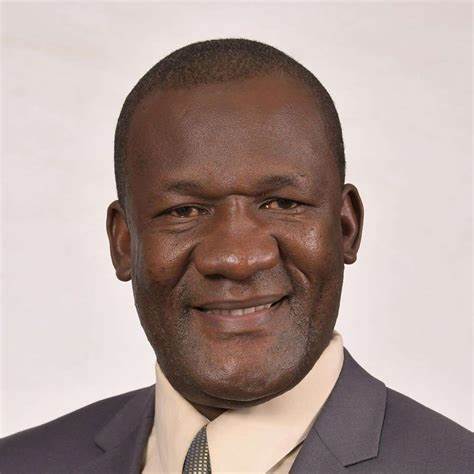
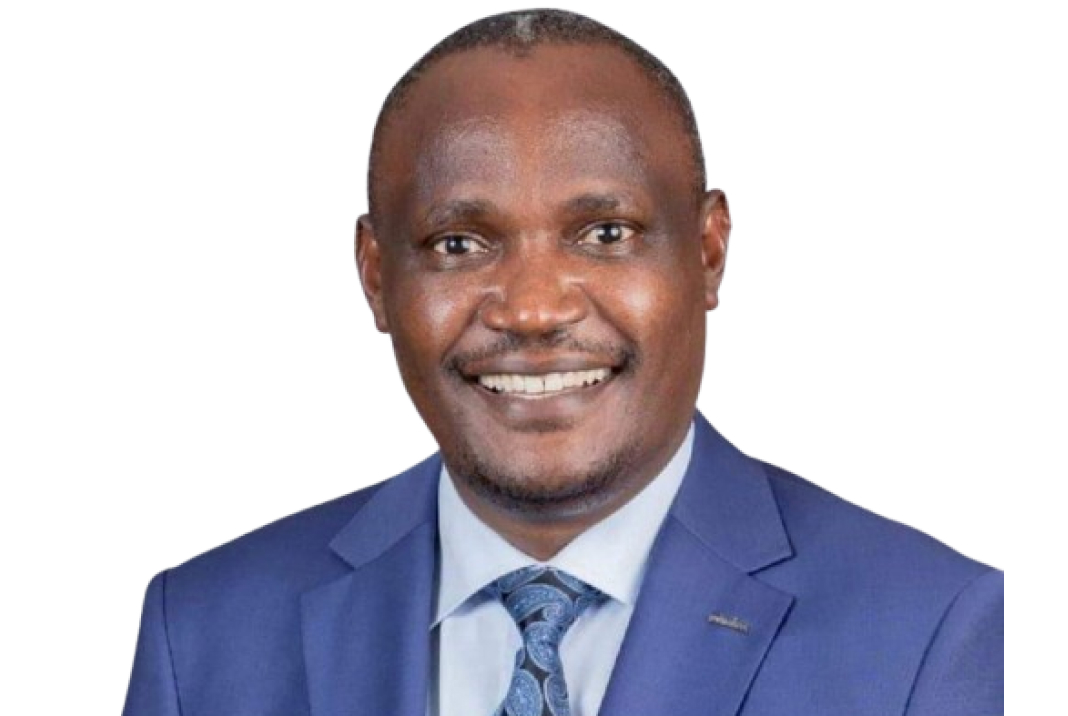
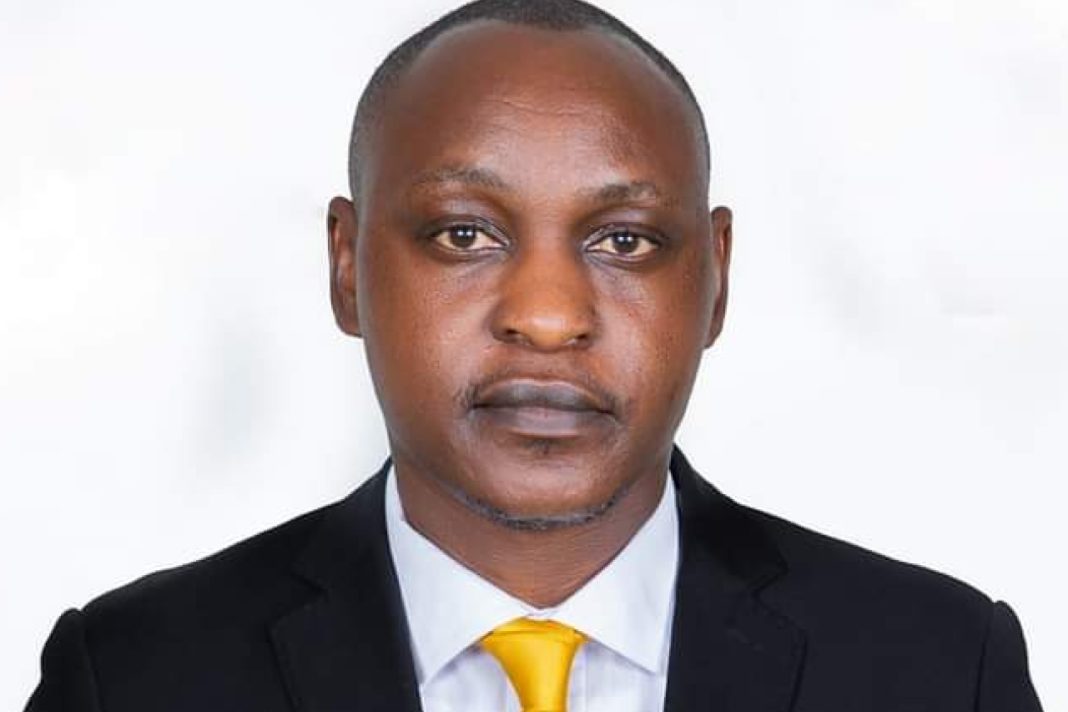
The African Union Commission’s debate saw Kenya’s Raila Odinga, Madagascar’s Richard Randriamandrato, and Djibouti’s Mahamoud Youssouf take center stage—or rather, Odinga took center stage, with the others seemingly flanking him in a symbolic display of hierarchy that spoke volumes.
From the onset, the arrangement raised eyebrows. Raila Odinga stood literally and metaphorically at the center of African politics, flanked by his competitors who, though qualified, struggled to command the same gravitas.
Was this mere coincidence or an unspoken acknowledgment of Kenya’s statesman as the continent’s quintessential leader?
Even the optics favored Odinga—his complexion, darker and unmistakably “African,” contrasted with his Cushitic-descendant peers, Mahamoud and Richard. He embodied the archetype of African identity in a way the others could not.
A forum attendee aptly described him as “cunningly suave yet goonish.” Odinga was both the sage and the warrior, a man of the people yet towering above them.
Mahmoud Youssouf’s performance was notable for his institutional memory, a solid asset in African diplomacy.
Yet, even his moments of clarity often felt overshadowed by the sheer presence of Raila.
Richard Randriamandrato, on the other hand, came across as a man plagued by frustration. His visible anger—perhaps justified, given the lack of attention he received—further alienated him from the audience.
In a telling moment, Randriamandrato lamented his invisibility on social media, seemingly unaware that even Raila’s detractors couldn’t help but shine a spotlight on him, inadvertently bolstering Mahamoud’s profile instead.
Raila, as always, was the sun around which everything orbited.
What truly set Raila apart was his vision. Unlike his competitors, who seemed bogged down by technicalities and personal grievances, Odinga presented a future-focused plan for Africa.
He spoke of creative infrastructure financing, leveraging local resources to solve continental challenges, and addressing poverty and inequality at their roots.
His proposals on peacebuilding were refreshingly grounded in solving local disputes—a far cry from the often lofty but ineffectual rhetoric that has plagued African diplomacy.
Odinga did not just present ideas; he embodied hope for a continent grappling with identity and purpose. Africa needs leaders who can envision where the continent must go and lead the way.
Raila Odinga, in that moment, was not just Kenya’s gift to Africa; he was Africa’s best bet for meaningful progress.
Even in the semantics of his speech, Raila struck a chord. He referred to the continent as “Afrika,” a deliberate nod to authenticity and rejection of colonial connotations.
In his hands, words carried weight and history but also promise. Perhaps it’s time for the continent to embrace that identity fully—Afrika, a name that resonates with pride, untainted by colonial baggage. And if anyone can champion that change, it is Raila Odinga.
In this tableau of African leadership, one truth became clear: while Mahamoud and Richard played their parts, this stage belonged to Raila. His calmness, charisma, and vision made the debate less a contest and more a coronation. Africa—no, Afrika—needs such leaders now more than ever.