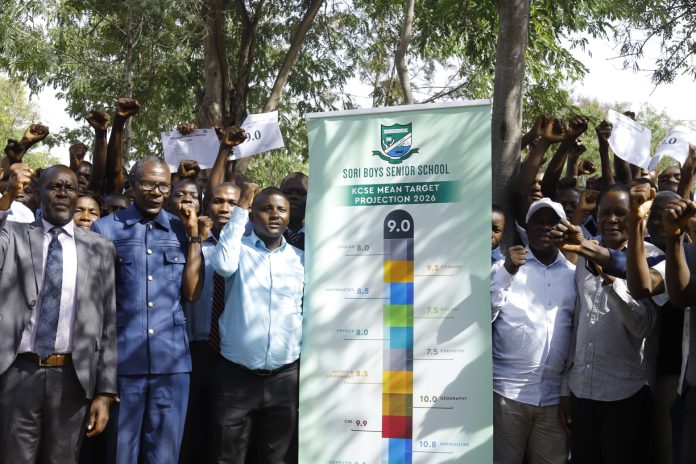
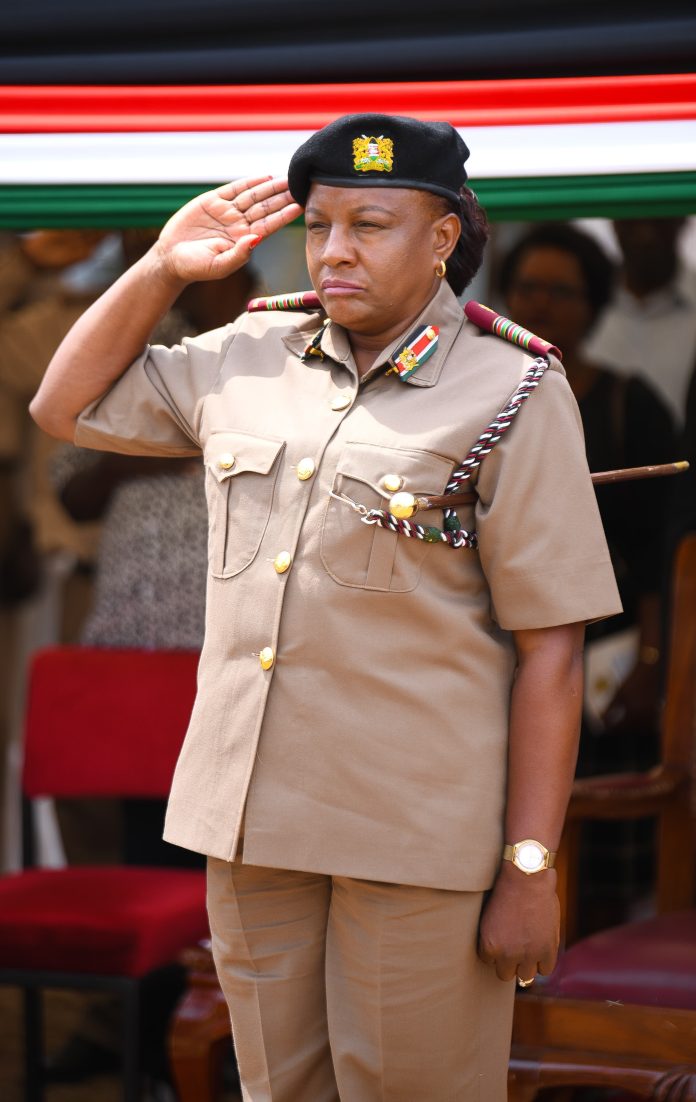
Sori Boys Senior School in Nyatike has held a strategic stakeholders’ meeting to celebrate its best Kenya Certificate of Secondary Education (KCSE) performance since the school’s inception, following impressive results in the 2025 national examinations.
The school attained a mean grade of 8.3, a historic milestone achieved after 227 candidates sat the 2025 KCSE examinations, out of whom 199 qualified for direct entry to university.
Speaking during the meeting, the school principal, Mr Jacktone Ogalla, attributed the success to teamwork, discipline, and effective academic planning, noting that the institution is already setting its sights higher.
“This year we have set a target mean grade of 9.0. The current candidates are academically stronger than last year’s class, and we are very optimistic of achieving this target,” said Mr Ogalla.
The principal also commended the national government for the timely release of capitation, saying funds were availed within the first week of school opening, enabling smooth learning operations.
“We appreciate the government for releasing capitation early. It greatly supports curriculum implementation and day-to-day school management,” he added.
However, challenges facing the institution were also highlighted. Board of Management (BoM) Chairperson Mr Kennas Rakiro, who is also a former principal of the school, revealed that Sori Boys Senior School is grappling with a debt burden amounting to KSh 26 million.
“The school has accumulated debts totalling KSh 26 million, which is a major concern. We urge parents and guardians to meet their obligations by paying school fees to help the institution remain stable,” Mr Rakiro said.
Echoing the call for unity, Director of Studies Mr Fred Omondi emphasised the importance of harmonious relationships among teachers, parents, learners, and the administration in sustaining the school’s academic excellence.
“Maintaining cordial relationships among all stakeholders is key to sustaining and even improving these good results,” noted Mr Omondi.
The meeting also heard an inspiring testimony from Barrack Obama, the school’s top KCSE candidate, who scored 83 points out of a possible 84. Obama recounted how he comes from a humble background and was allowed to remain in school despite fee challenges due to his consistently outstanding performance.
“The school administration believed in me and allowed me to continue learning even when my parents faced financial difficulties. This motivated me to work even harder,” he said.
Looking ahead, Mr Ogalla disclosed that the school has already admitted over 800 Grade 10 students and appealed to those yet to report to do so immediately to avoid disrupting their academic journey.
The stakeholders’ meeting brought together school administrators, teachers, parents, and education partners, reaffirming a shared commitment to sustaining Sori Boys Senior School’s upward academic trajectory.
Song by Neil Diamond, composed in 1978, Forever in Blue Jeans talks about money and, in the first stanza below, captures it all.
Money talks But it don’t sing and dance and it don’t walk And long as I can have you here with me I’d much rather be forever in blue jeans
And the American rapper Notorious B.I.G. capped it in his song More Money, More Problems, and this is the situation the Orange Democratic Movement (ODM) currently finds itself in.
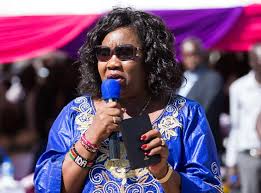
Kisumu Woman Representative, Ruth Adhiambo Odinga, raised the alarm over the free-flowing money in the ODM party, which was undermining its unity and activities.
On Friday, former Deputy Party Leader and Cabinet Secretary Wycliffe Oparanya lamented how the insatiable love for money was destroying the party and going against the grain and principles of the founding leader, the late Raila Amolo Odinga.
“First, I want to tell Kenyans, we are ODM members and we will remain in ODM. Lakini nikiona ile inaendelea kwa ODM, na mimi nimekuwa karibu sana na mweshimiwa Marehemu Raila Amolo Odinga.” (When I see what is currently happening in the ODM party, I was very close to the late Raila Amolo Odinga.)
“Nausikitikia sana. Nikiangalia yale mambo ya pesa, imeharibu viongozi. Viongozi anaenda hapa anaongea jambo lingine, akitoka hapa kwa sababu amepewa pesa, kichwa imechanganyika.” (I am deeply disturbed. Money has destroyed leaders. Leaders go somewhere, say one thing, then leave and say something else because they have been given money. Money has confused their minds.)
“Anaongea mwingine kwa sababu ya pesa. Haya mambo ninaona sasa sikuyakuta wakati wa Marehemu Raila Odinga. Raila alikuwa mtu wa msimamo. Akisema jambo, ni hilo.” (They speak because of money. These things were not common during Raila’s time. Raila was a man of principle. Once he said something, that was it.)
“Hataki kubadilisha msimamo mpaka ashauriane. Nilisema hivi, lakini nimeona hivi, kwa sababu ya hili.” (If he wanted to change his position, he would first consult. He would say, I said this, but I have now seen this, because of this.) Oparanya said.
Adhiambo wondered where the free-flowing money currently being witnessed was coming from and for what purpose.
Ruth questioned where the huge amounts of money currently being used within the party were coming from.
“But we are seeing a situation where a lot of money is flying around, and there appears to be a deliberate approach to commit the ODM party into a coalition agreement more than a year to the next general elections.
Where is the money coming from? Is it in the Budget and Appropriations Committee at the National Assembly? And I know that the government has not given the ODM party money. So where is all the money coming from?”she asked.
The Kakamega ODM drama
Last Sunday, it was a cat-and-mouse game in Kakamega County for the Orange Democratic Movement (ODM) party leader, Dr Oburu Oginga.
Dr Oburu found himself in a delicate balancing act and, to save face, juggled between two parallel rallies in the county. It was a litmus test for the party leader over his handling of the two camps claiming county party leadership.
In this delicate balancing act, Oburu was forced to attend two parallel ODM delegates’ rallies in the county—one organised by Cabinet Secretary Wycliffe Oparanya and his allies, led by Lugari MP Nabii Nabwera, who claims the county chairmanship. This rally was held at Mabole Primary School grounds in Butere Sub-county.
From Butere, Oburu proceeded to Kakamega, where Governor Ferdinand Barasa was holding a parallel Linda Grounds delegates’ meeting.
Interestingly, Oparanya accompanied Oburu to the venue but left immediately before the Siaya Senator could introduce him to the crowd.
When Oburu spoke in Kakamega, he said:
“I was invited to Butere and I went to eat breakfast. But when I reached there, I found people saying they were the bona fide delegates.
We spoke and addressed them because, rightly, they are our people. I was with Oparanya—can you see him around so that we can resolve this matter? Is Oparanya around? He left by chopper.
We want one Kakamega. I have spoken with Chairman Barasa. He has no problem and he wants a united Kakamega.”
However, Oparanya posted on his X handle:
“I was honoured to host the ODM party leader, Senator Dr Oburu Oginga, alongside other national leaders, during the ODM delegates’ consultative forum held at Mabole Primary School grounds in Butere Sub-county, Kakamega County.
The consultative forum brought together party leadership and delegates for open engagement, reflection, and dialogue on issues that matter to the people and the future of inclusive development.”
Homa Bay Senator Moses Kajwang downplayed the Oparanya wing, saying:
“In Butere, we went to drink tea. ODM is like a beautiful girl whom men fight over. That is why we have fights in Kakamega.”
Junet declared that, according to records held by the party’s elections board, Barasa was the Kakamega County ODM chairman.
“I want to make a clarification on behalf of the party. In the ODM books, the chairman is Ferdinand Barasa. That is the position. I know there is a dispute, but it will be listened to,” he said.
Junet added that the matter was discussed at the party’s Central Committee and resolved in Barasa’s favour.
“Those on the other side are also ODM members. They are our people. We must run the party from the correct position. This matter was discussed in the Central Committee and it was resolved that the elections board had declared Barasa as the chairman,” he said.
When Mama Ida Odinga was retired under what was termed “public interest” by the late former President Daniel Arap Moi’s administration, 38 years later, on Friday, President William Ruto nominated her as Kenya’s UNEP Envoy in a surprise move.
The Friday nomination of Mama Ida by President Ruto, following the demise of Raila Amolo Odinga and the high-octane politics within the Orange Democratic Movement (ODM) over the pre-election pact with the United Democratic Alliance (UDA), has left tongues wagging.
Several questions have emerged over whether the appointment was aimed at calming the heated politics within ODM over the pre-election pact between UDA and ODM.
Is the move aimed at taming Winnie Odinga, who has openly differed with her uncle, Dr Oburu Odinga, the current party leader and chief negotiator of the pre-election pact?
Will Mama Ida leave the running of the family business, which she has successfully managed for over four decades, to take on a highly demanding ambassadorial role?
Retirement in the public interest
In the mid-1980s, Kenya, under one-party rule by KANU, moved to retire Ida Odinga under what was termed “in the public interest” from her teaching position at Kenya High School. Her only crime was being the wife of a man who refused to bow to dictatorship.
At the time, Raila Odinga, son of Kenya’s first Vice President Jaramogi Oginga Odinga, had been detained without trial for his alleged role in the 1982 coup attempt.
Barely weeks after his arrest, his wife was shown the door by the Teachers Service Commission (TSC), her dismissal delivered coldly through an official letter dated September 12. The letter instructed her to vacate the school premises immediately and surrender all property belonging to the institution.
By the time of her retirement, Ida Odinga had served diligently as a teacher for 15 years but did not despair in the face of the new challenge brought to her doorstep by the Moi administration.
“I had lost a husband, a job, and a home. What should one do? They will chase me away, and I will have no home,” she told reporters as her household goods were loaded onto two lorries.
At the time of her retirement, Ida Odinga did not receive any warning or explanation—only a curt message that she would receive her final dues after handing over her clearance form.
The nomination
On Friday, Head of Public Service Felix Koskei issued a communiqué stating that the President had formally transmitted the nomination of Mama Ida Odinga to the National Assembly for consideration and approval, in line with constitutional requirements governing appointments to the Foreign Service.
He described Mama Ida as a distinguished educationist, civic leader, and advocate for social justice and gender equity.
Koskei noted in the communiqué that she began her career as a graduate teacher at Highway Secondary School in Nairobi before later teaching at Kenya High School, where she spent more than a decade in the classroom.
The communiqué further notes that Mama Ida’s life’s work has been marked by a commitment to advancing women’s education and empowerment, standing against authoritarianism and injustice, promoting freedom of expression, and championing gender equity.
“In the early 1990s, amid the national clamour to transition from a single-party state to a multiparty democracy, she played a key role in advancing calls for change and democratic reform as the founding chairperson of the League of Kenya Women Voters.
“Since then, she has consistently championed initiatives that improve the lives of women, children, youth, and vulnerable communities.”
Her appointment to this role, subject to the requisite parliamentary approval, is expected to amplify Kenya’s voice on environmental issues and further reinforce the country’s longstanding leadership in environmental diplomacy, as well as its pivotal role as host of the UN’s principal environmental authority.
Politics of the Odingas
During ODM’s 20th anniversary, Winnie Odinga demanded an NDC to appoint a new team to manage the broad-based arrangement between ODM and UDA.
“There is something I wanted to tell you. When it came to the matter of the broad-based government, the people of ODM entrusted one person with the management of that relationship. That person was Baba Raila Amolo Odinga.
“That relationship is complicated, and therefore we are looking and wondering: those who are taking it upon themselves to manage it now, are they capable of managing that relationship?
“I don’t think that is a question for me to answer. That is a question for the people of ODM to answer. That is why I am requesting the party leadership that we go back to the people and have an NDC to see who the people want to pick to manage that same relationship,” she said.
However, Oburu Odinga, in his response, said he was the architect of the broad-based arrangement and chaired meetings between Raila and Ruto.
“Those who are saying that Oburu is not validly elected, I challenge them. If they say it is NDC, let us go to the NDC, and I will call it very soon.
“Those who are saying Oburu does not talk are talking nonsense. In this broad-based arrangement, I want to assure those who are saying that it was only Raila who could handle it and that Oburu does not know anything about it.
“I want to tell them that in all meetings of the broad-based arrangement with Ruto, the chairman was Oburu Odinga before you here today,” he said.
Will the nomination of Ida Odinga thaw the bubbling politics in ODM and pave the way for the pre-election pact?
Kisumu County has produced some of the best senators in the country with the first senator and now the Governor Prof Anyang Nyong’o and the current senator Prof Tom Ojienda, have set a precedent to the successor.
The seat has been only attracting professionals from the region, with the past senators living to the billing and have exemplary performed in the senate and raised the bar higher.
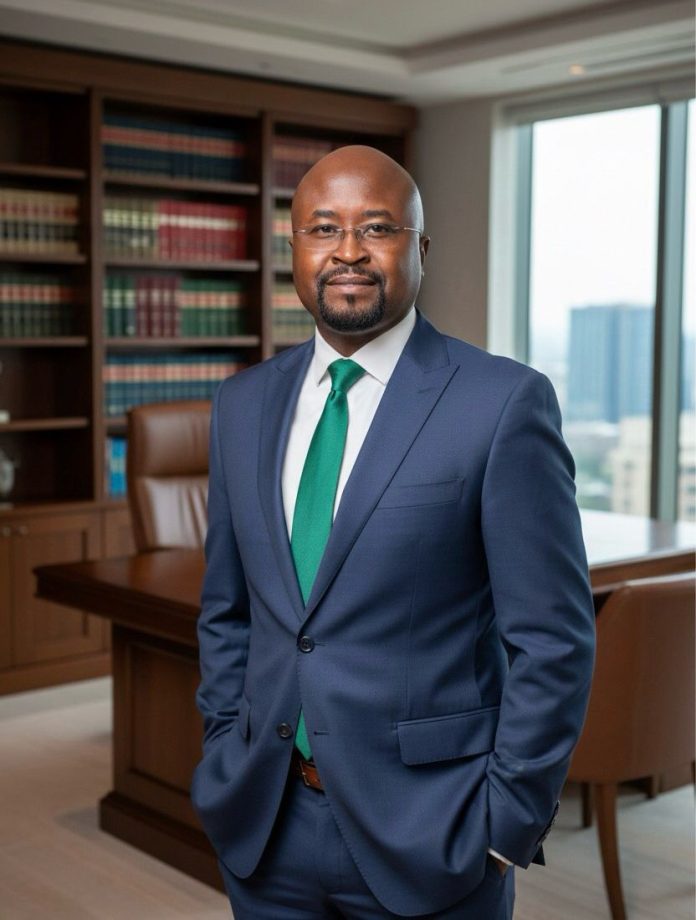
That is why the entry of Nairobi Advocate Fred Odumo Nying’uro a native of Kano- Kakola Location, in Nyando Constituency has elicited excitement in the electorates who feel he fits the bill and is an able replacement to Ojienda who will not defend the seat but instead will vie for the Kisumu gubernatorial seat.
Ojienda succeeded former Nyando MP Fred Outa who did not defend his seat and was subsequently appointed Kenya’s ambassador to Egypt by President William Ruto.
Wakili Fred Odumo, a former personal assistant and Legal Counsel to the retired chief Justice David Maraga is respected in the corridors of Justice and was a trusted servant to the no nonsense Chief Justice.
Maraga is celebrated for making history for having presided over the nullification of Presidential results in the 2017 general elections over electoral irregularity.
“As the Legal Counsel to the Chief Justice during that critical and crucial moment for the country, I am happy that my service in the administration of justice sector especially in the Judiciary have gone along way in establishing electoral justice in the country,” he said.
Wakili Fred Odumo who was recently appointed by His excellency President William Ruto as Director in the newly established Gambling Regulatory Authority (GRA) which is domiciled in the office of the president associate his recent appointed to the recognition by the president of his legal reform credentials in the country especially on matters dealing with rule of law, good governance and devolution.
Professional background
Wakili Fred Odumo was admitted to the Bar in 2011 and holds a Post graduate a Diploma from the Law Kenya School of Law (ATP), Certified Mediator (MIT), Masters of Laws LLM from University of Salford, Manchester UK . He is also a member of the East African law Society (EALS) and the International Bar Association (IBA). He was admitted as lawyer to practice as an Assistant Defense and Prosecution Counsel at the International Criminal Court (ICC) in the Hague in the year 2023.
During his tenure in the Judiciary, he served as a Legal Counsel in the office of the Chief Justice, Secretary to the inaugural Judiciary Committee on Elections (JCE), Secretary to the Judiciary Committee on Transition of Tribunals (JCT), and Secretary to the Judiciary Committee on Asset Recovery of stolen judiciary asset and at the Judiciary Training Institute(JTI).
Public record also shows that Mr. Nying’uro’s overall experience, knowledge and acquired skills as legal practitioner has been instrumental and associated with the positive development of the jurisprudence in Electoral laws, Administrative law and Constitutional law.
Hemade significant contribution in the justice sector during the Judiciary reform initiatives, first, under the Judiciary Transformation Framework (JTF) for the year 2011-2015 and in the development of Sustaining Judicial Transformation (SJT), a customer service oriented delivery framework, a similar concept to the bottom up approach spearheaded by the new administration.
Mr. Nying’uro was also instrumental in the policy origination for the development of the various Elections Laws, Political Party’s Act , the Small Claims Court Act, 2016 – a law which is expected to speed up the delivery of justice especially in relation to trade disputes, debt collections (both personal and commercial) personal injury claims with a pecuniary jurisdiction ofKshs.2,000,000; and, second, the Legal Aid Act, 2016, which establishes a fund for the payment of legal cost to the poor and indigent litigants.
Wakili Fred Odumo Nyingúro started his campaign for the 2027 Senatorial Seat by first by meeting with the Orange Democratic Movement (ODM) party leadership in the County and convening meetings with all the 60 party delegates from each of the seven constituencies, he has also held several consultative meetings with Church leaders, Muslim Leaders, Women leaders and Luo Council of elders led by KER Odungi Randa.
Community Service and projects
He is a philanthropist known for his support to the vulnerable in the society and has initiated several projects in the seven sub counties namely , Nyakach, Nyando, Muhoroni, Kisumu West, Seme, Kisumu Centre; and Kisumu East constituencies. Through his private educational assistance initiative called “Live No Child Behind”, Odumo has supported orphans and needy bright children access secondary education.
The program targets needy and deserving students in day schools within Kisumu County where from each sub county 25 students were admitted to the program. Local leaders, chiefs and school teachers are involved in identifying the deserving needy cases.
“I pay schools to the needy students and orphans in the day school because educating children builds a foundation for lifelong success, and enhanced career prospects. I am a living example of a beneficiary of community intervention. My father died in a road accident in Ahero when I was just about 11 months old. My mother who was illiterate was left to fend for me and my other siblings through selling vegetables, tomatoes, mangoes and cereals in Ahero Market. I had to study very had and in the Standard Eight KSCE examinations I was the top student in Karanda Primary School in Nyando Constituency. The rest is history.
Medical camps
Wakili Fred Odumo has sponsored several medical camps and mobile eye clinics in all the seven constituencies to address the emerging health concerns and plan to roll out several medical camp this year arguing that the government funding for county governments cannot sustain the rising epidemics hence the need for private partnership.
Youth Economic Empowerment
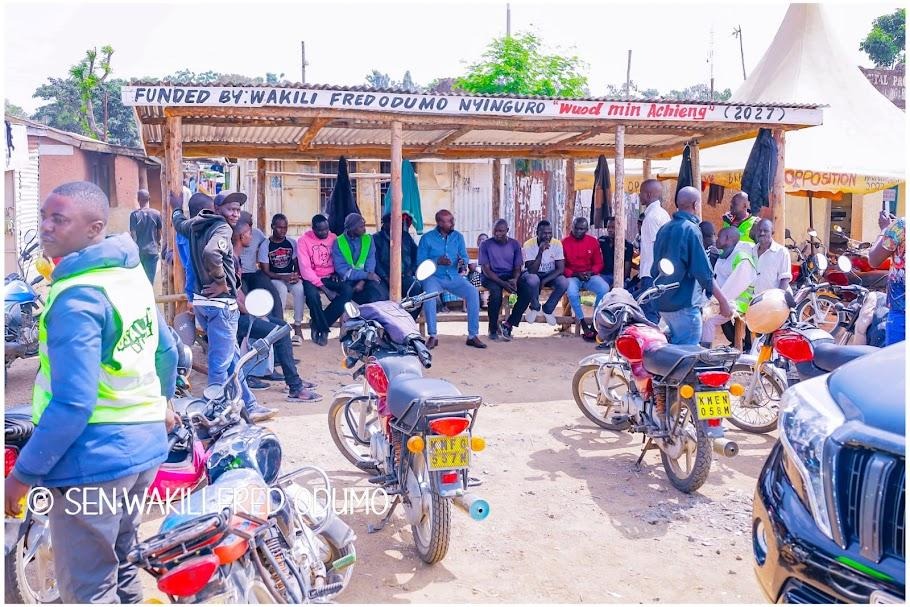
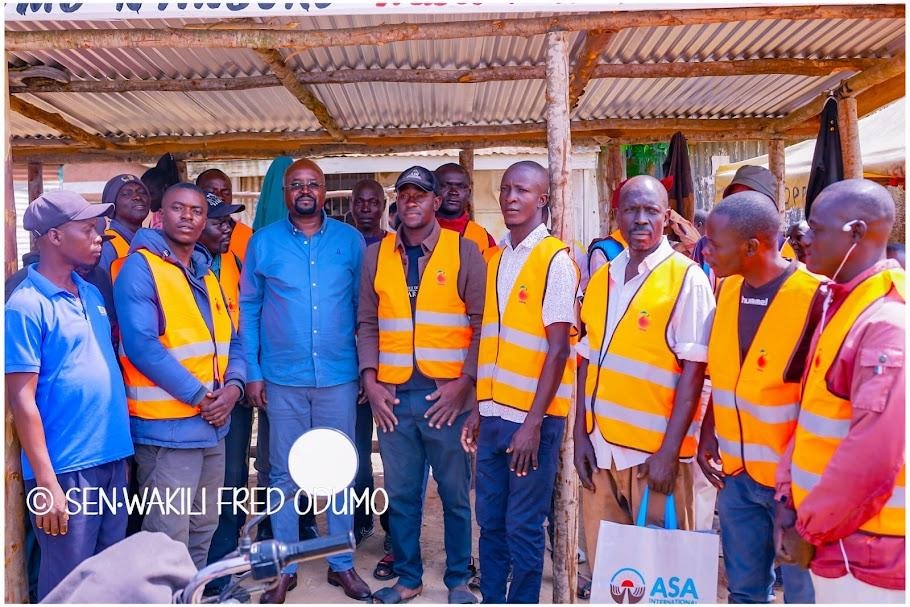
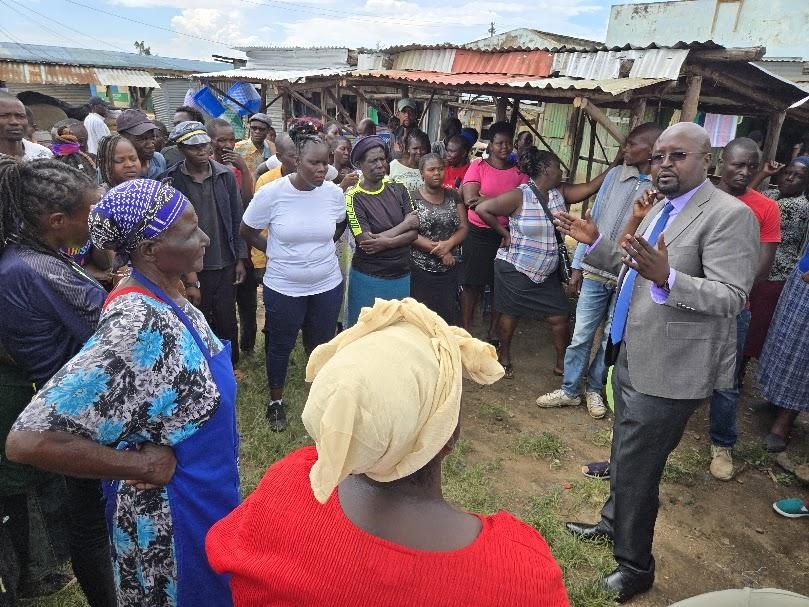
Wakili Fred Odumo has constructed over 55 boda boda shades in the seven constituencies to help address insecurity and for easy management of the boda boda operators in the Seven Constituencies in Kisumu County. This initiative has been hailed by the local Chiefs and Market managements as a strategic intervention in the informal sector.
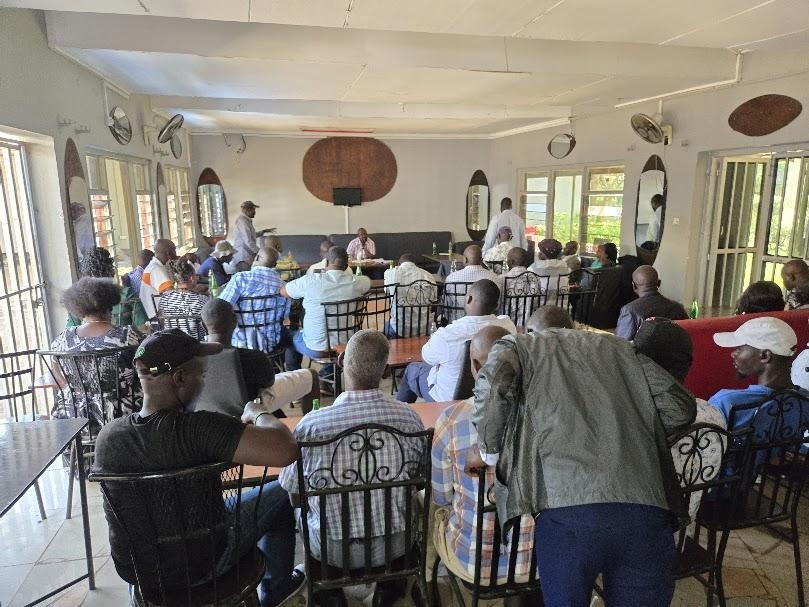
Wakili Fred Odumo has also met with the Kisumu Juakali Artisan Association with a view to having the Association fully converted into a Sacco.
Meeting with officials of Kisumu County Juakali Artisan Association
Agriculture
To improve food security, Wakili Odumo initiated ”Mbegu Mashinani”, which target farmers in Kisumu County by providing free maize seedling every planting season.
“I intend to enhance food security intervention by giving seedlings in February and March during planting season. We distribute maize seedlings in all the seven constituencies to deal with high levels of hunger and malnutrition driven by climate shocks (droughts/floods), poverty, population growth, and inefficient food systems, impacting vulnerable rural communities especially in Kisumu County;” he said.
Market and Beach Management Groups.
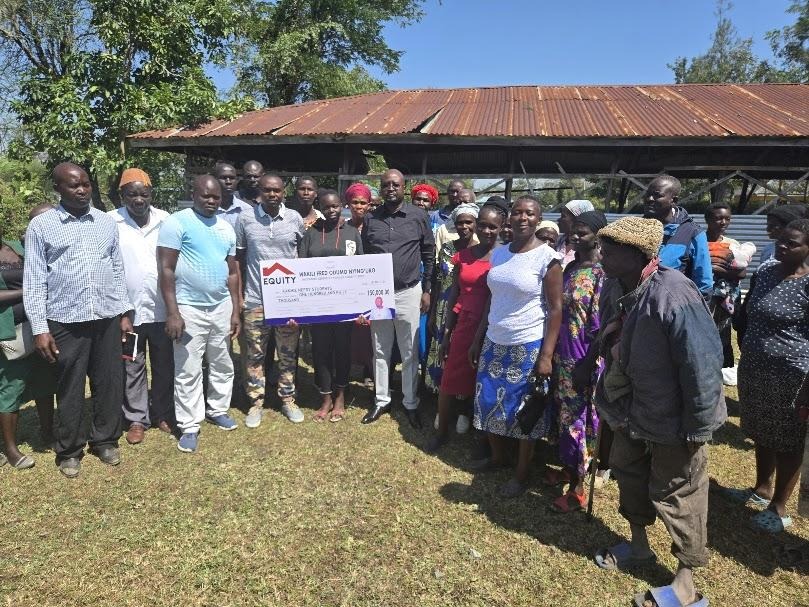
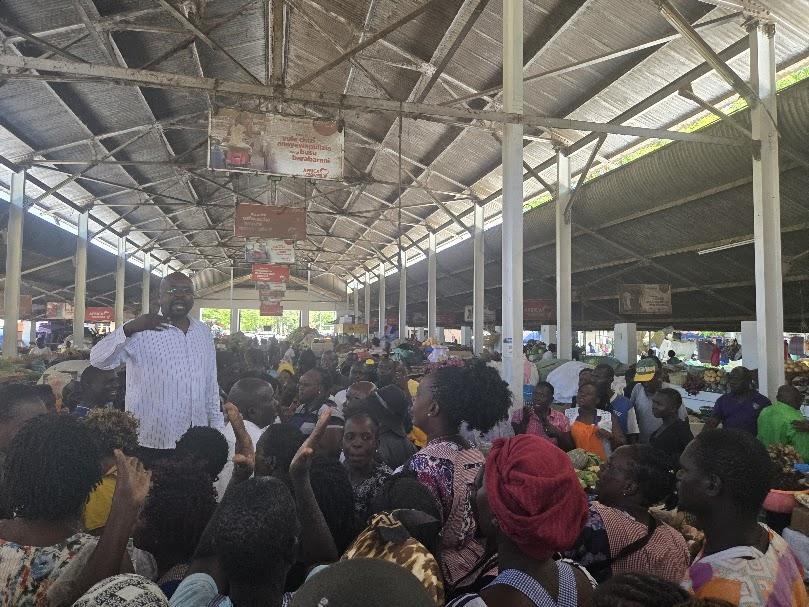
Wakili Fred Odumo have also engaged different Market management through their leadership to support local community based organizations and recently gave Ahero market Community based organzizations gave Sh 200,000 to the 14 CBOs in the market center to boost their business. He intends to expand this programme this year to Awasi, Katito, Sondu, Muhoroni, Kombewa, Mamboleo, Kibuye markets.
Wakili Fred Odumo at Jubilee Market in Kisumu Central.
Wakili at Muhoroni Market
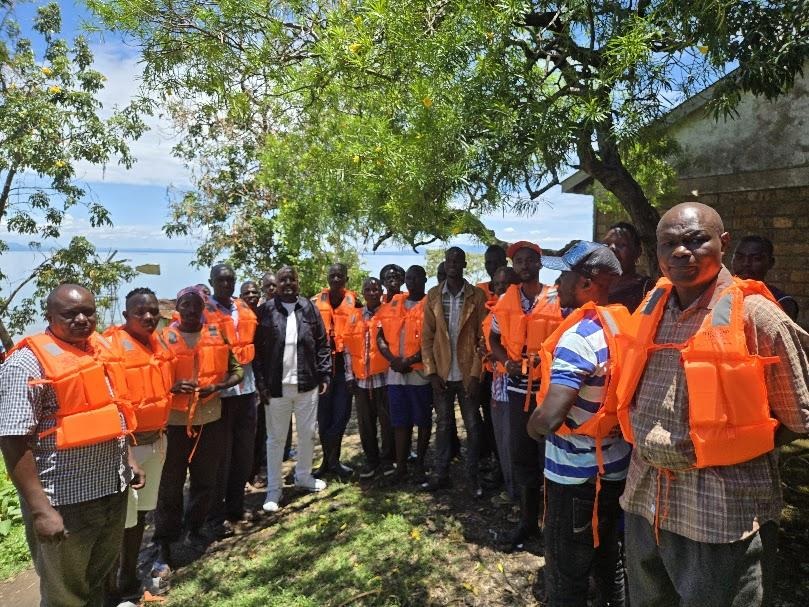
He has also supported various Beach Management Groups in Seme and Nyakach Constituencies by donating free Life Saving Jackets for the fishermen.
Annual Widows ( Mond Ruoth] Xmas Gift program
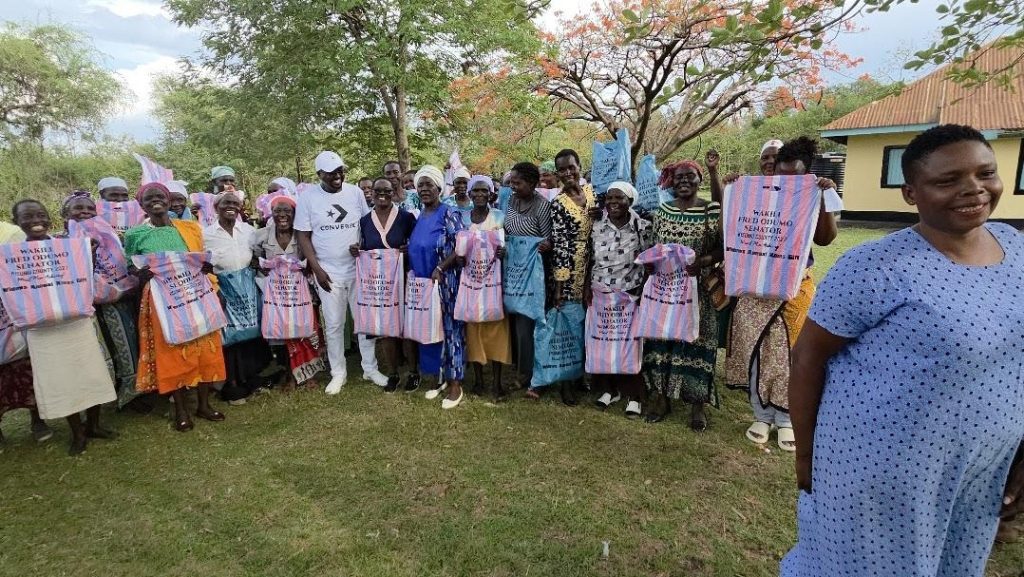
Wakili Fred Odumo in Memory of his mother established an annual widow gift programs where he identify widow groups in the seven constituencies who receive Christmas and new year gift packages so as to celebrate like the able members of the society. In the past two years he has donated Xmas food provisions including cooking oil, sugar, salt, soaps, rice, maize floor, wheat floor, tea etc to the various widow groups in the Seven Constituencies.
When asked about his approach to oversighting the county government, Wakili stated that “The oversite role of the Senate does not extend to fighting or attacking the person of the governor for personal interests. A senator can instead hold the governor accountable by invoking the constitutionally mandated processes for checks and balances without creating a civil war or paralysis in the county government. My overriding principle in dealing with the County government will be based on the public interest doctrine. My role will be that of the caretaker of the Kisumu County at the Senate. In that capacity, I will protect the interest of Kisumu County for the equitable sharing of the national resources in the Country as we are also tax payers just like all other Kenyans. I will call out the county government and its leadership when they are wrong and at the same time give credit when they are right. At the end of the day, we all want a Kisumu County which is progressive in the betterment of our lives by provision of the necessary human needs (housing, food, education, health care, infrastructure etc)”
What is the rush for Orange Democratic Movement (ODM) to enter into pre-election pact with president Willaim Ruto’s United Democratic Alliance (UDA)
Where is the free flowing money currently being witnessed coming from and for what purpose ?
Does ODM have structure and frame work to guide the coalition negotiation or is it being driven by emotions and political blackmail?
These are some of the tough issues, the Kisumu women representative Ruth Adhiambo Odinga and which begs from answer from the party leader, Dr Oburu Oginga, who is his elder brother.
Dr Oburu , was given the crown at the height of grief and what Suba South MP Caroli Omondi termed as an act of mysterious hand.
“There was a very quick transition even before Baba’s body arrived. When Mzee Oburu announced that he had accepted to be the party leader, he said he did not even know that there was a process to make him party leader. What that implies is that, that call came from somewhere else. And that worries me a lot. This is because, it therefore seems that ODM is getting directions and controls from somewhere else,” he said.
And yesterday, Ruth wondered where the huge amount of money currently being used by the party was coming from.
“But we are seeing a situation where a lot of money is flying around, and there appears to be a deliberate approach to commit ODM party into a coalition agreement more than a year to the next general elections.
Where is the money coming from? Is it in the Budget and Appropriations Committee at the National Assembly, and I know that the government has not given ODM party money. So where is all the money coming from?”she asked.
Ruth said there was no emergency for the party to rush into pre-election coalition and that the party organs were yet to ratify the central committee resolutions.
“ODM should not be in a hurry to enter into a coalition agreement as though it is some kind of emergency. 2027 is not going anywhere. Even if ODM sits still and does nothing, 2027 will come,” she said.
She said the party leader should call the national executive committee to share the resolutions before engaging the public.
The Central Management Committee (CMC) sat a couple of days ago in Kilifi. This is a very important party organ. Next we expect the party Chairperson to call for a National Executive Committee (NEC) meeting so that the leadership can get the opportunity to share ideas on the best way forward.
“We cannot purport to come to any conclusion binding party member before we have listened to the people. ODM Party is a people’s movement. Our membership stretch from Turkana to Kwale. From Wajir all the way to Isebania,” she said..
The ODM party at a Central Management Committee (CMC) meeting held in Kilifi this January 2026 resolved to initiate pre-election coalition talks with President William Ruto’s UDA party, where the party leader for ODM, Dr Oburu Odinga was tasked to lead the way.
Oburu recently led a delegation of a section of ODM officials to a rally in Kibra to seek the mandate for pre-election mandate. He later held two parallel meeting in Kakamega county over the same.
Energy and Petroleum CS Opiyo Wandayi has expressed satisfaction with the decision made by the Orange Democratic Movement (ODM) party, Central Management Committee (CMC) to begin discussions for coalition arrangement with the United Democratic Alliance party( UDA).
Wandayi said the party members have decided in one accord and going forward they are supporting that coalition talks commence between ODM and UDA parties, ahead of the 2027 polls.
“The people are only requesting that these ongoing discussions be fast-tracked so that before the 2027 polls, we enter into the pre-election coalitions agreement that will enable us to form the next government with ease,” the CS said during a public baraza held at Kendubay town in Karachuonyo constituency
Winnie Odinga recently asked the party leadership to pause the planned pre-election negotiation to allow members to engage.
“Kwenye hi safari sisi tulikuwa abiria na baba alikua driver y abasi hili. nakuna siku moja tuliamuka na tukashutka driver amekufa (In the journey, we had the passengers and Raila was the driver of the political bus. One day we woke up to sad news of the demise of the driver). Aliaga dunia. Kidogo wale walikuwa wana keti mbele wamekimbia kwenye steering wheel kila mtu an vutia pande hi na hi ( The driver died. Within a short moment, those who were sitting on the front seats took over the steering wheel and everyone steering to a different direction) Wame tukushukuma Sisi kama magunia. Wamesahau, tunasema ngonje ni tu baba alukufa juzi tu. Haraka ya nini bwana. Wacha tuonge kwana simamiza. Wacha tuonge kwanza. Tushonge mbele pamoja (They have thrown us outside lack a sack. They have forgotten us. We are saying wait, Baba just died the other day. What is the hurry for. Let us talk . Stop the negotiations. Let us talk and after that we can move together)” she said.
Ruth said the party leadership must start thinking of Townhall meetings for the members, listening to their concerns which must then be incorporated into the final decision the party will arrive at.
Ruth said “Those pushing for ODM party to commit itself right now may be seeing the good in it. Whether it is personal or for the benefit of all the members. But committing early means you will carry whatever blames the ruling party will be accused of.”
“As you negotiate, where is your numerical strength as a party? You may negotiate for those cabinet secretary slots, yes, but if you do not have governors or MPs, how will this work for you? That is why we need to be cautious as we approach this matter. And most importantly, at no point should we ever leave the people behind,” she said.
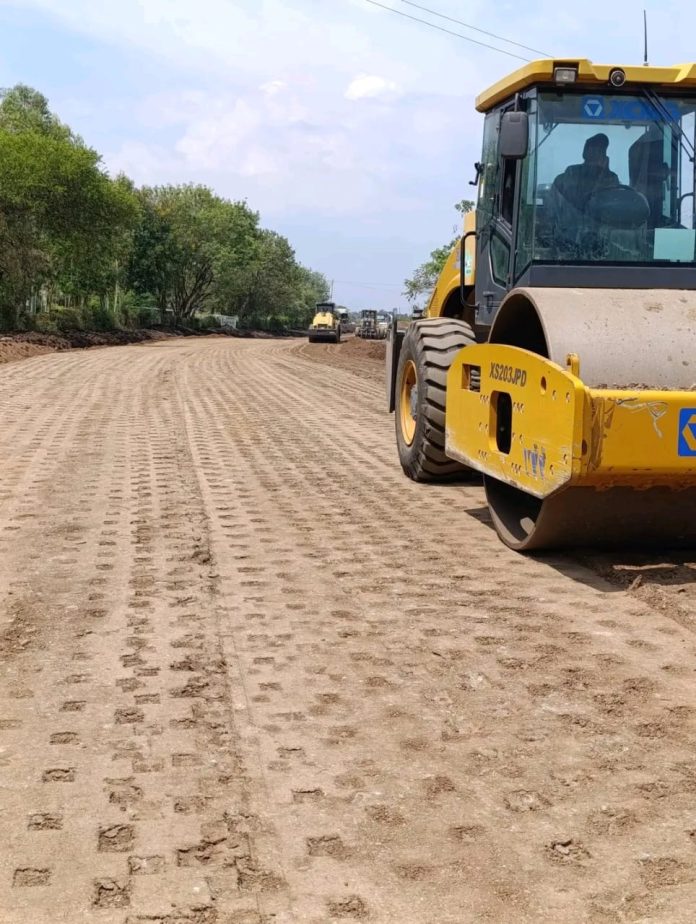
Transportation challenges have long plagued the long-distance road links between Migori and Homa Bay Counties. The construction of the Mbita-Sindo-Sori road has faced various difficulties, leading some contractors to abandon their work. For years, Suba South Constituency has lacked a single tarmacked road. However, the ongoing tarmacking of the Mbita-Sori road is set to relieve residents of Suba South who are mainly farmers and fisheremen from transportation burdens, particularly during the rainy seasons.
Currently, efforts are underway to upgrade the 74-kilometer road connecting the two counties from gravel to bitumen standards. As of late 2025, progress is steady, with the intention of enhancing connectivity, bolstering local economies (particularly in fishing and agriculture), and reducing vehicle operating costs along the Lake Victoria shoreline.
This project spans 74 kilometers, linking Mbita and Sori through Sindo and Kiabuya, and it traverses parts of Ruma National Park. The estimated cost of the project is Sh2.9 billion. To ensure timely completion, a milestone-based payment method is utilized, with contractors being paid upon the completion of every 7.4 kilometers.
On Thursday, January 22, 2026, Suba South MP Carolly Omondi provided an update on the project, expressing some regret over the slow pace of progress.
“The Mbita–Sindo–Magunga–Sori road was launched on October 7, 2023, by H.E. President William Ruto, and while it is progressing, the pace is slow,” he said.
“I’m pleased to report that we have now completed the first three milestones: the first milestone, Kakomo to Magunga (7.5 km), is completed; the second milestone, Magunga to Olando (7.5 km), is also completed.”
He added that the third milestone, Kakomo to Kiabuya, is already 7.5 kilometers complete, while the fourth milestone, Kiabuya to Agolo Muok, is ongoing and currently 70 percent complete.
“Next is the Nyabera–Sindo–Mbita section, a crucial link that will greatly enhance movement and trade between Suba South and Suba North. “We thank H.E. the President for his continued support in transforming our region’s economic landscape by improving access to markets for fish and agricultural produce, as well as boosting tourism and blue economy initiatives.” he stated
The completed road is expected to significantly reduce transportation costs, improve access to schools and health facilities, and stimulate investment in the region.
However, the project has experienced multiple, sometimes overlapping, re-launches by various leaders, including Cabinet Secretary for National Treasury John Mbadi, highlighting the high political interest in its completion.
On Friday, January 23, 2026, Mbadi, together with the Treasury Cabinet Secretary David Chirchir, is set to launch the tarmacking of the Koguta-Nyabera road.
The road which connects the main Homa Bay-Mbita and Magunga –Sindo trading center was recently allocated funds for tarmacking.
According to Silvance Osele from the Presidential Delivery Unit (PDU), the Mbita-Sori road project aims to enhance connectivity and spur the local blue economy, with an expected completion date of 2028. Osele who is also the former Kabondo Kasipul MP is actively involved in inspecting the project to ensure quality and efficiency.
“The project would also enhance trade, tourism, and access to services. Following the clearing of pending bills owed to the contractor, work resumed on the previously stalled project in late 2024 and early 2025. By mid-2025, about 15-20 percent of the project was reported as complete, with around 15 kilometers already finished,” he stated.
The road is anticipated to facilitate faster transportation of fish and agricultural produce, improving access to schools and health facilities in the region. Osele has expressed optimism that the new contractor has the capacity to complete the project within the stipulated timeline.
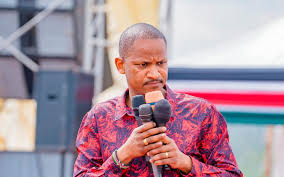
The battle for the Orange Democratic Movement (ODM) party leadership has intensified after the party’s Director of Elections, Junet Mohammed, told Embakasi East MP Babu Owino that he will not win at the National Delegates Conference (NDC).
Babu on Monday demanded that the party leadership be handed over to him and called for the convening of the NDC.
However, on Wednesday during a TV interview, Junet said Babu only has a chance of winning the Nairobi gubernatorial seat and not the ODM party leadership. He explained that the party structures may undermine his bid and deny him the opportunity to lead the party.
“Babu has a chance of being a governor. He has no chance of winning at the NDC. The structure of the party doesn’t favour him. I don’t see him winning,” he said.
Junet also said that once ODM concludes branch elections, the party’s top organs will call for the NDC.
Following the demise of Raila Amolo Odinga, the former party leader, Siaya Senator Dr Oburu Odinga was appointed as the acting party leader.
Babu said his request was not a slight against anyone but a call for the youth to assume leadership roles within the party.
“The ODM party should be handed over immediately to me. There is nothing wrong with Moses, but it’s Joshua’s time, and it is up to the party supporters to decide whether they want the ‘weakest’ or the ‘strongest’ Joshua,” he said.
Basing his argument on the latest opinion poll, Babu argued that an Infotrack poll placed him ahead of all other contenders for the party’s top seat.
“The poll clearly indicated that I am the best candidate to take over the party’s leadership, with 33 percent support. My esteemed senior, Oginga, received 10 percent, while party Chairperson Gladys Wanga came in third with 7 percent, and the others shared one percent each. This shows that the people have spoken, and their will must be respected,” he argued.
But ODM Deputy Party Leader and Kisii Governor Simba Arati said: “Kuna watoto wako na tabia mbaya tutawaita na wakikataa tutawaleta kwa NDC wapewe kiboko, wakwende wakaye kule chini,” (There are some children with bad manners. We will call them, and if they refuse, we will bring them to the NDC and discipline them).
Recently, Oburu said he will call the NDC to face off with his opponents interested in the party leadership.
“I want to say to those who are claiming that Oburu was not validly elected, I challenge them—if they want the NDC, let us go to the NDC, and I will call it very soon,” he said.
EALA MP Winnie Odinga also called for the NDC, promising a battle royale and expressing concern over the rush in the management of party affairs.
“Kwanza tuko na uchaguzi wa Nairobi. Ya pili, tuende hii NDC. Na kwenye hii NDC mambo itakuwa noma. Mko tayari?” (First, we have elections in Nairobi. Secondly, we will go to the NDC. At the NDC it will be fireworks. Are you ready?) she said.
Currently, two factions have emerged in the struggle for control of the party: one led by Oburu Oginga, who advocates for his leadership, and another comprised of younger members such as EALA MP Winnie Odinga, her brother Raila Odinga Junior, and party Secretary General Edwin Sifuna, all of whom support new party elections.
The faction led by Oburu argues that the late Odinga left them with a broad-based government under President William Ruto and that they are prepared to support his re-election for a second term. In contrast, the opposing group insists that before his passing, Odinga promised the party would field a candidate in the 2027 general elections, a position they refuse to compromise on.
Last week, Winnie and Junior’s faction attracted a large crowd at Kamukunji Grounds in Nairobi, showcasing the Odinga family’s continued influence in national politics and within the ODM. The gathering took place just a day after Oburu and party National Chairperson Gladys Wanga held a consultative meeting at the same venue, a known ODM stronghold.
Currently, ODM is sharply divided into two camps: one led by Oburu, in support of the broad-based government, and another opposed to the arrangement, including party Secretary General Edwin Sifuna, James Orengo, and Babu Owino, among others.
Babu believes he possesses the necessary qualities to lead the party, which has been in existence for the past 20 years, towards a presidency in the 2032 general elections.
His immediate goal is to secure the position of Governor of Nairobi in the 2027 general elections while also preparing for the presidency.
“As a community, we have the numbers and experience needed to lead the party and capture the top position. If you look across the entire country, there isn’t a single MP more popular than I am, thanks to my track record in development and advocacy for our people,” Owino declared.
“Even seasoned politicians vying for the party’s top seat don’t have the level of popularity I possess.”
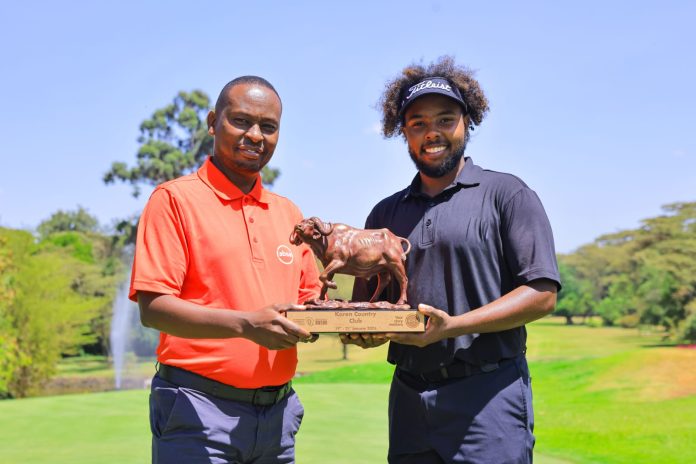
Windsor Golf & Country Club’s Pro Njoroge Kibugu has been crowned the Order of Merit champion of the inaugural Sunshine Development Tour East Africa Swing, his victory at the season finale, the Absa Invitational Series, played at Karen Country Club.
The Windsor Pro began the final round tied for the lead with Rwanda’s Celestin Nsanzuwera on 8-under par, and at the tail end delivered a clinical performance, carding a final-round 6-under par 64 to pull clear and secure both the tournament title and the overall Order of Merit crown.
His final round featured seven birdies on holes 6, 9, 10, 12, 14, 15 and 18, against a single bogey on the 3rd, as he closed the tournament on an impressive 14-under par 196.
The victory confirmed Kibugu’s place at the top of the final Sunshine Development Tour East Africa Swing Order of Merit, where he finished with 1,497 points following four tournament wins and top finishes during the season. He also walked away with Sh400,000 from the tournament’s Sh2 million prize purse.
“This one means a lot to me. Coming into the season finale, I wasn’t feeling my best after the holiday break, but I trusted my game and focused on giving myself chances. I putted well and stayed patient, and that made the difference. Winning the Order of Merit feels like a real statement and a reward for the work I’ve put in. It gives me confidence and motivation for what lies ahead.” said Kibugu
Rwanda’s Celestin Nsanzuwera finished second overall on 9-under par 201, He started strongly with birdies on the 1st and 2nd, but dropped shots on the 4th, 5th and 15th, before closing with birdies on 17 and 18 to sign for a 1-under par final round.
His runner-up finish saw him end the season second on the Order of Merit with 1,317 points, having claimed two tournament wins during the campaign.
Taimur Malik finished as the leading amateur at Karen, producing a superb final-round 5-under par 65 to finish third on the leaderboard with a total of 8-under par 202.
Mutahi Kibugu finished fourth on 4-under par 206, while Isaiah Otuke claimed fifth place on 3-under par 205. Zimbabwe’s Visitor Mapwanya produced the lowest round of the tournament, firing a 7-under par final round, to finish tied on 2-under par 208 alongside Greg Snow and Mike Kisia.
On the final Order of Merit standings, Dismas Indiza finished third with 753 points, followed by amateur John Lejirma in fourth with 605 points, and Greg Snow in fifth with 578 points. The Sunshine Development Tour East Africa Swing concludes its inaugural season having established a clear competitive pathway for professional and elite amateur golfers across the region, with the top performers now advancing to continental playoff opportunities and Sunshine Tour qualification events.
Following the Karen event, eyes now turn to the Big Easy Tour Playoff which will be held at the Modderfontein Golf Club on 27th – 29th January 2026. The top 12 players on the combined East Africa Swing and Big Easy Tour Order of Merit will earn direct playing cards to the Sunshine Tour.
Afterwards, the top 30 players from the SDT East Africa Swing and top 30 from South Africa’s Big Easy Tour will contest the Big Easy Tour Finals, scheduled for March 2026 in South Africa where 12 slots will be on offer to play at the Sunshine Tour Final Qualifying School for a chance to secure additional Sunshine Tour cards.
FINAL LEADERBOARD OF Absa INVITATIONAL SERIES AT KAREN Position Name Nationality Par R1 R2 R3 Score 1 Njoroge Kibugu Kenya -14 64 68 64 196 2 Celestin Nsanzuwera Rwanda -9 65 67 69 201 3 Taimur Malik (a) Kenya -8 70 67 65 202 4 Mutahi Kibugu Kenya -4 69 69 68 206 5 Isaiah Otuke Kenya -3 67 69 71 207 6 Visitor Mapwanya Zimbabwe -2 73 72 63 208
Greg Snow Kenya -2 71 69 68 208
Mike Kisia Kenya -2 68 69 71 208 9 Paul Chidale Malawi -1 70 74 65 209
Elvis Muigua (a) Kenya -1 70 67 72 209 11 Kamalo Bako Nigeria Par 66 73 71 210 12 Samuel Njoroge Kennya 1 70 72 69 211
Jastas Madoya Kenya 1 69 70 72 211 14 John Lejirma (a) Kenya 3 72 68 73 213
Dismas Indiza Kenya 3 73 67 73 213 16 Rizwan Charania Kenya 4 71 74 69 214
Mohit Mediratta Kenya 4 71 69 74 214 18 Daniel Nduva Kenya 5 68 77 70 215
Nuru Mollel Tanzania 5 69 75 71 215
Jean D’amour (a) Rwanda 5 69 69 77 215 21 Sunday Olapade Kenya 7 76 69 72 217
Last evening, I honored the invite of our very own Trevor Ombija, the versatile Royal Media Services journalist for a candid discussion on what is going on in Kenya’s political landscape, barely three months after laying ODM founding Party Leader, the Rt. Hon. Raila Odinga to rest, and the subsequent loss of our dear sister Beryl.
This interview, which came exactly thirty-two years since our father, Jaramogi Oginga Odinga breathed his last, gave me the platform to shed light on the alleged rift in the Odinga family. We are a family that has remained united, and that unity is not about to die soon. Was has been interpreted as ‘rift’ is the democratic space that we have enjoyed over the years. This means we cannot always agree, but we will always voice our contradicting opinions.
Most importantly, and here I spoke as a founding member of the Great ODM Party, I am neither in ‘Tutam’ nor ‘Wantam’. But I am firmly in the broad-based government, whose chief architect, the late PM, found it fit to leave the ODM family, with a rider in the name of the ten-point agenda.
ODM should not be in a hurry to enter into a coalition agreement as though it is some kind of emergency. 2027 is not going anywhere. Even if ODM sits still and does nothing, 2027 will come. The Central Management Committee (CMC) sat a couple of days ago in Kilifi. This is a very important party organ. Next we expect the party Chairperson to call for a National Executive Committee (NEC) meeting so that the leadership can get the opportunity to share ideas on the best way forward.
We cannot purport to come to any conclusion binding party member before we have listened to the people. ODM Party is a people’s movement. Our membership stretch from Turkana to Kwale. From Wajir all the way to Isebania. We must start thinking of Townhall meetings for the members, listening to their concerns which must then be incorporated into the final decision the party will arrive at.
Our Party Leader, Hon Oburu Oginga, was given the crown at the height of grief. The differences we have been seeing of late did not start when Dr Oburu assumed office as Party Leader. These were issues that were there even when Baba was alive and he had promised to convene a caucus to address these issues. The point here is that we can solve ideological differences by showing people the door. If we keep showing people the door, then who will be left? Sifuna will leave with his people. Babu Owino with his people…. We must create a platform for the leaders to sit and talk, then we can reach out to the people in the Townhall meetings. That is how a people’s movement is supposed to work.
But we are seeing a situation where a lot of money is flying around, and there appears to be a deliberate approach to commit ODM party into a coalition agreement more than a year to the next general elections. Where is the money coming from? Is it in the Budget and Appropriations Committee at the National Assembly, and I know that the government has not given ODM party money. So where is all the money coming from? Those pushing for ODM party to commit itself right now may be seeing the good in it. Whether it is personal or for the benefit of all the members. But committing early means you will carry whatever blames the ruling party will be accused of.
As you negotiate, where is your numerical strength as a party? You may negotiate for those cabinet secretary slots, yes, but if you do not have governors or MPs, how will this work for you? That is why we need to be cautious as we approach this matter. And most importantly, at no point should we ever leave the people behind. In 2007 for instance, ODM had more MPs that the ruling coalition. That is how we ended up having one of our own as the Speaker of the National Assembly. Whatever negotiations ODM did in 2008 were backed by the masses that were behind the party.
The party must have a NEC meeting and NGEC meeting with party officials to deliberate on the discussions of the central committee before rarifying anything. Central Committee is an advisory board and of major decisions of the party must be brought to NEC
The government has raised concern over the persistently high and rising cases of child defilement in Nyanza.
The rising cases were attributed to sexual violence against minors, which the government said is driving teenage pregnancies, school dropouts and new HIV infections in the region.
Nyanza Regional Commissioner Flora Mworoa said the figures have remained stubbornly high, with an average of 70 cases reported every month across the region’s six counties.
“Sometimes the figure goes up to a high of 100 in some months, painting a grim picture of widespread abuse across the region,” she said.
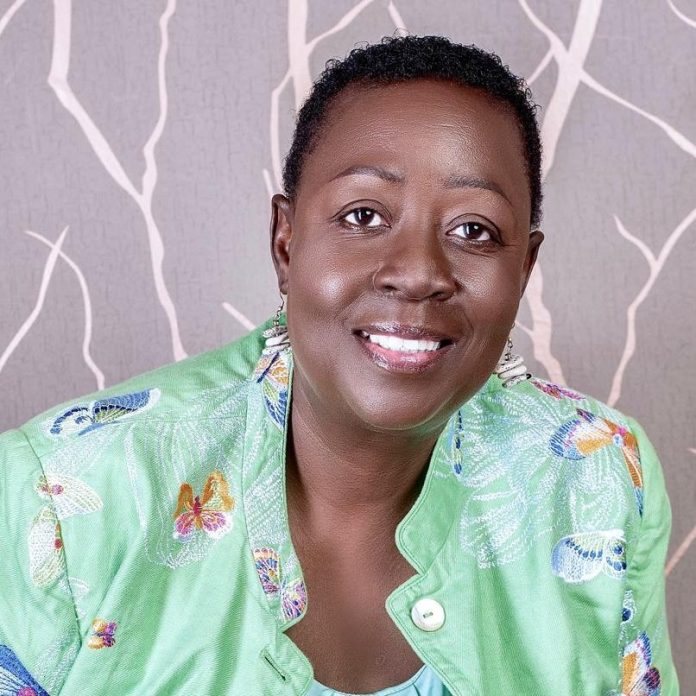
Mworoa spoke in Kisumu on Tuesday during the inaugural Seme Sub-county Multi-Stakeholder Conference on Sexual and Gender-Based Violence (SGBV).
The stakeholder meeting brought together national and county officials, security agencies, the Judiciary and community leaders to confront the crisis. The Regional Commissioner linked the problem directly to rising teenage pregnancies in the region, which she said pose a threat to the health, education and future of minors.
She revealed that during last year’s Kenya Certificate of Secondary Education (KCSE) examinations, some 254 girls sat their examinations while pregnant or shortly after giving birth, with some candidates writing their papers from hospital beds.
“These pregnancies are not accidental. They are a direct outcome of defilement,” she said, noting that in several cases the perpetrators were people known to the victims, including parents and close relatives.
Mworoa said defilement, rape, drug abuse and other forms of gender-based violence in the area were closely intertwined, observing that most perpetrators were adult men and that assaults often occurred without protection, exposing victims to HIV and other infections.
Other cases, including sodomy, she said, go unreported due to the stigma associated with them, further exacerbating the situation.
She called for collective responsibility, stressing that the crisis could not be solved by the government alone.
“This is not about blame. It is about all of us taking responsibility and finding practical solutions,” she said.
Seme Member of Parliament (MP) Dr James Nyikal said the situation was exacerbated by the existence of kangaroo courts, where parents enter negotiations with perpetrators to cover up the crime.
He warned communities against settling defilement and rape cases outside the law, describing such arrangements as illegal and morally indefensible.
“A criminal offence cannot be negotiated. Any agreement reached after rape or defilement is itself a crime,” Dr Nyikal said, citing the Sexual Offences Act and the Children Act.
He criticised families and community members who conceal abuse, saying silence enables perpetrators to continue offending.
“If you know it happened and you did nothing, you too have committed a crime,” he said.
The MP also challenged the Children’s Department to commission scientific research to generate data that would inform effective policy and interventions.
“We must establish who is committing these crimes, their ages and the reasons behind them. Without data, our response will remain guesswork,” he said.
Nyanza Regional Director of Children Services Beatrice Obutu said the vulnerability of children in the region, and in Seme Sub-county in particular, was heightened by their sheer numbers.
According to the 2019 census, Seme Sub-county has a population of 121,663, with about 63,000 children, nearly evenly split between boys and girls.
“When more than half of your population is children, protection cannot be optional,” Obutu said, urging communities to interrogate cultural practices and adult behaviour that expose children to harm.
She warned that failure to act perpetuates cycles of violence that ultimately harm the entire society.
Kisumu County Executive Committee Member (CECM) for Gender Beatrice Odongo attributed the rise in SGBV cases to poverty, limited access to information and education, indiscipline, and risky behaviour among youth.
She urged parents to take the lead in enforcing behaviour change, noting that Seme’s high numbers could reflect better reporting rather than uniquely high incidence.
“This does not mean other parts of Kisumu are safe. It may simply mean cases are not being reported,” she said.
Odongo said the Kisumu County Government has enacted a Gender Mainstreaming Policy aimed at tackling SGBV through community engagement, involving men and boys, and strengthening support for survivors.
Nyanza Regional Police Commander Evelyn Nyamohanga said the existence of kangaroo courts was the weakest link in the fight against the crime, with some cases failing to proceed to court due to lack of evidence.
Prosecutions, she said, are often weakened when witnesses and victims withdraw from cases.
“Justice is a process. When witnesses pull out, cases collapse and survivors are denied justice,” Nyamohanga said, calling for sustained cooperation between communities and law enforcement agencies.
Seme Deputy County Commissioner (DCC) Elizabeth Owendi cited a recent case involving a school-going girl who was taken from home earlier this month by a man who planned to move her to Nairobi.
She questioned whether such incidents arise from ignorance of the law, harmful cultural norms, or deliberate disregard for children’s rights, underscoring the role of village elders and community leaders in prevention.
“Village elders know what is happening in their communities. They must be part of the solution,” Owendi said.
The conference, themed “From Coordination to Action: Strengthening Local Systems Against SGBV in Seme Sub-county,” aimed to chart a coordinated response to the crisis.
Owendi said resolutions from the forum would guide practical action to curb defilement, teenage pregnancies and other forms of sexual and gender-based violence in the sub-county.
We use cookies to ensure that we give you the best experience on our website. If you continue to use this site we will assume that you are happy with it.