
By Billy Mijungu
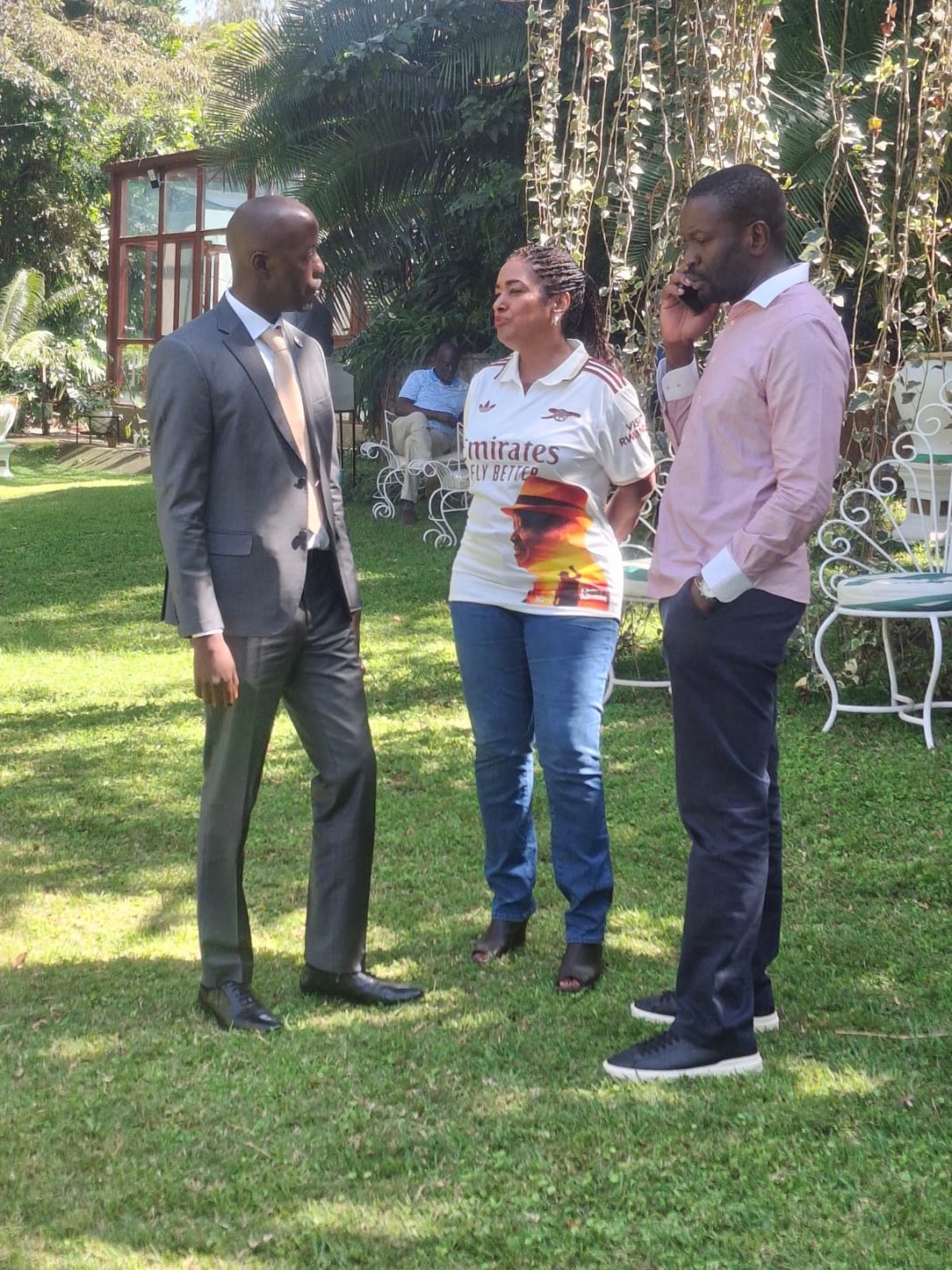
The images from Raila Odinga’s memorial birthday gathering in Karen sparked more questions than answers. One detail stood out immediately. Edwin Sifuna was the only senior figure present without an Arsenal jersey. While Sifuna is a confessed Chelsea supporter everyone else at Kerarapon appeared deliberately coordinated in Arsenal colours symbolically united in Baba’s memory. In politics symbolism is never accidental.
The Kerarapon gathering reflected a BBG blend a political formation Sifuna has historically been uncomfortable with and openly critical of in both tone and posture. Attendance in such spaces is never neutral. Body language and interaction all communicate messages sometimes louder than speeches.
There is reason to believe Sifuna may not have been part of the original guest list. His appearance suggested someone who arrived without prior briefing on the dressing code reinforcing the impression of a late call. It is plausible that Mama Ida intervened and reached out to him as part of ongoing efforts to calm internal tensions within ODM and prevent further escalation of factional disputes.
The hug between Sifuna and Mama Ida changed everything. That single moment made Sifuna the star of the day. It was not just a gesture of warmth but a powerful political signal. In full public view it conferred legitimacy reassurance and acceptance. In politics such moments are carefully read and rarely forgotten. The hug reframed Sifuna not as an outsider but as a central figure whose presence mattered.
This moment came against the backdrop of emerging opinion polls that placed Sifuna high as a community leader with growing influence particularly among younger and urban voters. That reality has altered internal calculations. Political capital once visible in speeches is now measured in public trust and relatability and on that scale Sifuna is gaining ground rapidly.
What is at stake goes beyond personalities. ODM is under pressure from both internal competition and external intrusion. There is an active attempt to reorganize the party from the top in a manner that resembles a hostile takeover yet the process has proven far more complex than anticipated. As elite level contests continue grassroots leaders are quietly reassessing loyalties and positioning themselves for survival.
The greatest risk to ODM is not open confrontation but silent drift driven by exclusion and uncertainty. Parties weaken when emerging voices feel sidelined. This moment calls for deliberate strengthening of ODM through inclusion dialogue and recognition of evolving leadership dynamics. Unity not optics will determine the party’s future.