Home Blog Page 158

Who Betrayed Whom? Kalonzo or Raila! History at Play Again

0

By Anderson Ojwang

Kenya’s political landscape has been awash with claims and counter-allegations of betrayal. In the process, history has come into play, with the main players tasting the bittersweet recipe of past deeds that have often come back to haunt them.

Currently, Wiper leader Kalonzo Musyoka is lamenting over an alleged betrayal by former Prime Minister Raila Odinga regarding the signing of a memorandum of understanding (MOU) with President William Ruto.

In the 2007 presidential election, Kalonzo was accused of betraying Raila through a ‘pitia katikati’ moment (passing between) by signing an agreement with President Mwai Kibaki.

And now, the former Vice President has recently had a date with history. History was in play—just like in 2007—only this time, the main character and determinant had changed in the political drama.

After emerging third, Kalonzo became the determinant of the political puzzle between Kibaki and Raila by signing a coalition agreement with the former, joining the government, and subsequently boosting Kibaki’s numbers in Parliament, making him a crucial pillar of the regime.

The 2007 presidential election came hot on the heels of a protracted battle over the ownership of the Orange Democratic Movement (ODM) party. Raila retained ODM, while Kalonzo took ODM-K.

By opting to sign an agreement with Kibaki, Kalonzo dealt a blow to his ally-turned-foe and gave a lifeline to President Kibaki.

This time, after Raila lost the African Union Commission (AUC) chairmanship bid, Kalonzo and other opposition leaders tried to woo him to their side to help liberate the country from President Ruto.

“If Raila loses, let him come back and we will liberate Kenya from Ruto’s administration,” he said. After the election, he added, “The loss has brought embarrassment to Kenya’s image. I place the blame on Ruto, who was the chief campaigner. He had his agenda—that if he secured Raila the AUC seat, he would have an easier time in Kenya. We demand a real explanation,” he said.

However, just as Kalonzo had done in 2007, Raila opted to sign a memorandum of understanding with President Ruto, leaving Kalonzo and his team in disarray.

A bitter Kalonzo responded by accusing Raila of betrayal and promised to mount a strong team to challenge President Ruto.

On his X handle, formerly Twitter, he wrote:
What has come out of KICC today is the biggest betrayal of Kenyans. The People’s Loyal Coalition will never betray Kenyans for temporary comfort.

The unholy ‘MOU Co-operation Agreement’ is not about democracy or strengthening a democratic political culture. Rather, it is the biggest betrayal of Kenyans for political expediency and temporary comfort.

I have been reflecting on Psalm 11—when the foundations are shaken, what will the righteous do?

Kenyans, our foundation has been shaken. Six million Kenyan university students are unable to get employment because of the policies of the KK regime.

Our children are unable to go to class because our foundation has been shaken. Kenyans don’t have health coverage because the foundation has been shaken.

That is the true state of our nation. There is betrayal everywhere—by politicians against Kenyans.

Politicians should never again appear before their people and show off what they have stolen in the shape of ‘donations’.

The People’s Loyal Coalition will never betray the people of Kenya for temporary comfort.”

However, ODM acting party leader Prof Anyang’ Nyong’o, in his response, said Raila never betrayed Kalonzo and challenged him to seek dialogue with Raila and Ruto to join hands in developing the country.

I have read the comments of Wiper leader Kalonzo Musyoka regarding the MOU that ODM and UDA signed in Nairobi on Friday.

Kalonzo’s disconnect is that Azimio was left out. In that regard, therefore, Raila betrayed Azimio.

In the meantime, the same Kalonzo has been meeting with all kinds of characters, including Rigathi Gachagua, without consulting us at all. But we never complained; we took it as his democratic right to do so. Whether or not he has signed some agreement with them is none of our business.

Kalonzo should acquaint himself better with the court of conscience. He should read the contents of the MOU before condemning its signing by the two parties.

The MOU commits the partners to build a much stronger democratic political culture in which all parties and movements, notwithstanding their ‘base of support,’ will build the Kenyan nation together.

There is, therefore, still room for Kalonzo Musyoka to seek dialogue with the two leaders to work for the future of our nation.

Nyong’o, on his X handle, said:
This agreement outlines a roadmap for addressing Kenya’s social, economic, and political challenges. Additionally, we have recognised the importance of establishing a broad platform for collaboration and cooperation among all political forces.”

Former Nyakach MP Ochieng Daima said it was Kalonzo who betrayed Raila first in 2007, and he should be the last person to talk about betrayal.

Kalonzo should be reminded that in 2007, he chose Kibaki over Raila in the disputed election. He was more of a spoiler than a real contestant in the presidential election.

He should never talk about betrayal. Yes, it is true he has supported Raila thrice, but when Raila needed him most in 2007, he bolted.

Kalonzo should not blame Raila for betrayal. Raila is more interested in the future of the country than personal interest,” he said.

“Rediscovering Purpose: The Power of Embracing Our Unique Gifts”

0

Dr. Edris N.Omondi (Advocate)

attorneyedris@ywcg.org

In the course of our lives, we encounter countless paths and possibilities, yet not all of us are destined to walk the same journey. It’s easy to fall into the trap of believing that everyone should follow the same blueprint — particularly in a society like ours, where many are conditioned to pursue a career based on academic qualifications or chase financial success as the ultimate measure of purpose. But the truth is, we all carry unique graces and gifts, and discovering our true purpose lies in embracing what makes us different.

The Fallacy of a One-Size-Fits-All Purpose

The world has witnessed individuals like Michael Jackson, Whitney Houston, Steve Jobs, Jack Ma, or even Oprah Winfrey among many — each one exceptional in their own way. Michael Jackson’s voice wasn’t just trained; it was a gift that spoke to millions. Personally, I grew up moonwalking believing I had his gifting, Similarly, Whitney Houston’s vocal prowess reached heights that many could only dream of. These icons didn’t become who they were through sheer effort alone; they tapped into unique gifts that set them apart. But how many of us truly recognize that we, too, carry unique gifts, different from those around us? We have been in the same plane, but destined differently. Too often, we overlook the reality that education is not the gift itself, but the tool that sharpens our potential. We go through school systems, acquire qualifications, but still wrestle with the question, “What is my purpose in life?

The Struggle with Purpose

This confusion is not an isolated truth — it’s universal. Across the globe, many of us struggle to pinpoint why we are here and what we are meant to contribute. In our societies, this struggle is magnified by societal expectations, where success is often equated with wealth and power. Politicians and those in positions of authority are frequently revered as the epitome of success, creating the desire of become one too. But this mentality is limiting. The pressure to follow a particular career path, driven by money and status, creates a disconnect from our true purpose, which is often not tied to wealth but to fulfillment through service, passion, and authenticity.

The case of the Albanian decent Agnes Gonxha Bojaxhiu-Mother Teresa who settled miles away in Calcutta India, to serve in a strange community and found deep satisfaction in community service is an excellent example of how purpose isn’t always defined by the title or degree we hold. She discovered a fulfilling life in serving others — much like the story told in the book The Monk Who Sold His Ferrari, where the main character shifts from a materialistic, high-powered lifestyle to one of service and spiritual fulfilment. It’s a reminder that many of us, despite our academic accolades or social positions, are still searching for deeper meaning in our lives.

The Dangers of Living Without Purpose

The unfortunate reality is that many people live without ever discovering their true calling. They may go through the motions of life, achieving academic success or climbing the corporate ladder, only to feel a gnawing emptiness inside. As the saying goes, “The grave is the richest treasure chest” — so many pass away without ever having understood what their true purpose was. Tragically, this happens because people are distracted by the allure of material comforts, never questioning whether they are living in alignment with their inner calling.

In contrast, individuals like Tom Mboya, the remarkable Kenyan politician, exemplify the idea that purpose doesn’t always require formal education. Mboya, a leading figure in Kenya’s struggle for independence, did not hold a secondary certificate or a university degree, yet he was driven by a profound sense of purpose. Similarly, in Luo culture, there’s a concept of “Juogi ili,” which refers to the belief that one’s path in life is guided by ancestral spirits, pushing you toward your destiny — a metaphorical reminder that purpose is often deeper than academic or material success.

Finding Your Purpose: How to Rediscover Your Factory Setting

So, how can we find our purpose? How can we get back to our “factory setting,” as some would say, to rediscover why we are here?

1. Embrace Your Unique Gifts, acknowledge that you are not meant to be anyone else. Just as Michael Jackson couldn’t replicate someone else’s dance moves, you cannot follow someone else’s path to fulfilment. Instead of trying to meet the expectations of others, reflect on what excites you, what feels effortless, and what you naturally excel at. Your unique gifts may not always be obvious — they often emerge when you start following your passion.

2. Let Go of Societal Expectations, while it’s important to have ambition, do not fall into the trap of thinking that your purpose is simply tied to financial success or prestige. Many people who’ve achieved great wealth or status often report feeling unfulfilled because they neglected their true purpose in the process. Take the example of Oprah Winfrey, who struggled early in life but ultimately found purpose in her role as a storyteller and motivator. She chose to follow her own path rather than conform to external pressures.

3. Serve Others and Reflect on Your Impact Often, purpose is revealed when we step outside of our own desires and focus on making a positive impact on others. Community service, helping others, or simply being present in someone’s life can provide immense clarity. Much like the mother Teresa,-turned-community volunteer mentioned earlier, we must ask ourselves: How can I be of service to others? What legacy do I want to leave behind?

4. Trust the Process, It’s important to recognize that purpose doesn’t always come easily, and it often requires patience. As seen in the stories of Steve Jobs and Jack Ma, they did not know their exact path at the start but discovered it through trial and error. Life is an ongoing journey, and sometimes, you only uncover your purpose when you are actively pursuing something with passion and dedication.

5. Look Inward for Guidance, whether you connect to spirituality, religion, or meditation, looking inward for guidance can be incredibly powerful. The quiet moments of reflection can help you listen to your heart and soul, revealing the path that is uniquely meant for you.

Conclusion: The Importance of Embracing Your Purpose

Rediscovering your purpose in life is not about following the crowds or chasing societal ideals. It is about looking inward, recognizing your unique gifts, and following the path that resonates with your true self. Society may encourage certain careers or ways of life, but fulfilment comes from aligning your work and life with your innermost passions and desires.

By rediscovering our purpose, we honour the uniqueness within us all and embrace the fulfilment that comes from contributing to the world in our own special way. It’s never too late to find your purpose, and for those who have yet to do so, remember — the richest treasures are not found in gold or titles but in the peace and satisfaction that comes from living a life aligned with your true calling.

Long rains begin in North Rift

0

By Remmy Butia

As the calendar turns to March, the North Rift region of Kenya eagerly anticipates the arrival of the long-awaited March-April-May (MAM) rainfall season. This period, often referred to as the “long rains,” is a critical time for the region, which relies heavily on agriculture for livelihoods and food security. For farmers, pastoralists, and communities across the North Rift, the onset of these rains brings renewed hope and the promise of a bountiful season.

The North Rift, encompassing counties such as Uasin Gishu, Nandi, Elgeyo Marakwet, and Trans Nzoia, is known as Kenya’s breadbasket due to its fertile soils and favorable climate for crop production. However, the region has faced challenges in recent years, including erratic weather patterns and prolonged dry spells, which have disrupted farming cycles and threatened food supplies. The MAM rains, therefore, are not just a weather phenomenon but a lifeline for millions.

As the first rains begin to fall, the landscape transforms almost overnight. Dry, cracked earth gives way to lush green fields, and the air is filled with the scent of fresh soil. Farmers rush to prepare their land, planting staple crops such as maize, beans, and wheat. For pastoralists, the rains rejuvenate grazing lands, ensuring their livestock have access to water and pasture.

The MAM season is also a time of community and collaboration. Neighbours come together to help each other plant, and local markets buzz with activity as farmers purchase seeds, fertilizers, and tools. The sound of children playing in the rain and the sight of livestock grazing in revitalized fields are reminders of the resilience and adaptability of the North Rift communities.

However, the season is not without its challenges. Heavy rains can sometimes lead to flooding, soil erosion, and the spread of waterborne diseases. Local authorities and organizations are working to mitigate these risks by promoting sustainable farming practices, improving water management systems, and providing early warning systems for extreme weather events.

As the North Rift region embraces the March-April-May rainfall season, there is a palpable sense of optimism. The rains are a reminder of nature’s cycles and the enduring connection between the land and its people. For the farmers, pastoralists, and families who call this region home, the MAM season is not just about rain – it’s about hope, renewal, and the promise of a brighter future.

Merge Nadco and BBI Reports and Bring Back the Position of the Prime Minister and Two Deputies

0
Junior Secondary Schools

By Billy Mijungu

There urgent need to rethink our governance structure. The recent alliance between President William Ruto and Raila Odinga has blurred traditional political lines, creating a new power dynamic that allows them to control both government and opposition instruments. This shift, while significant, exposes a deeper issue—our constitutional order is ill-equipped to handle the realities of our politics.

The time has come to revisit our governance framework and introduce necessary reforms. We must bring back the position of the Prime Minister, complete with two deputies, to exercise delegated executive authority. This model would not only enhance efficiency in government operations but also ensure inclusivity in leadership.

The current system, where all executive power is concentrated in the presidency, has proven problematic. It creates a winner-takes-all scenario that alienates entire regions and communities after elections. A restructured executive with a Prime Minister and two deputies would help distribute power more equitably, ensuring that government reflects the diverse political and ethnic fabric of our nation.

Additionally, we must change how ministers are appointed. Cabinet Secretaries should come from Parliament, be it the National Assembly or Senate, with deputies to assist in governance. Parliament must also play a stronger role in confirming these appointments, ensuring that only the most competent individuals serve the people.

Beyond governance, our financial architecture needs urgent restructuring. The country’s ballooning debt demands that we reinstate the debt ceiling to prevent reckless borrowing. We must also rethink the revenue-sharing formula, ensuring that One Man, One Vote, One Shilling becomes a reality.

The Equalization Fund should be expanded beyond arid areas to address specific regional needs and interventions.
To achieve these reforms, we must merge the recommendations of the Building Bridges Initiative and the National Dialogue Committee into one effective constitutional amendment. Our goal should not be endless political negotiations but a well-structured constitutional order that serves all Kenyans.

The challenges we face today require bold decisions. We cannot continue with a system that breeds division and weakens governance. Bringing back the position of the Prime Minister and two deputies, alongside other critical reforms, is not just about politics. It is about creating a governance structure that works for everyone.

Kenya’a unique political dynamics: Raila’s journey through opposition and government

0

By Remmy Butia

Kenya’s political landscape is a vibrant and often unpredictable arena, characterized by shifting alliances, fluid party loyalties, and a constant reconfiguration of power dynamics. At the heart of this ever-evolving system is Raila Odinga, a veteran politician whose career has been defined by his ability to navigate between opposition and government. His journey – from opposing regimes to joining them through negotiations – offers a unique lens through which to understand Kenya’s political dynamics, the role of political parties, and the art of realignment in pursuit of national stability and personal political survival.

Kenya’s Political Parties and Realignments

Kenya’s political parties are less about ideology and more about personalities, ethnic affiliations, and regional interests. Unlike in many Western democracies, where parties are built around clear ideological platforms, Kenyan parties are fluid and often serve as vehicles for electoral competition rather than long-term governance agendas. This fluidity is evident in the frequent defections, mergers, and dissolutions of parties, especially in the lead-up to elections.

For example, the Jubilee Party, formed in 2016, brought together previously rival factions under President Uhuru Kenyatta and Deputy President William Ruto. Similarly, Raila Odinga’s Orange Democratic Movement (ODM) has been a key player in Kenya’s opposition politics but has also entered into coalitions with former adversaries when politically expedient. These realignments are often driven by the need to consolidate support across ethnic and regional lines, as Kenya’s voting patterns are heavily influenced by ethnic demographics.

Pre-Election Coalitions and Post-Election Pacts

Pre-election coalitions are a defining feature of Kenya’s political strategy. These alliances are formed to maximize electoral success by uniting diverse groups and regions. The 2002 National Rainbow Coalition (NARC), which brought together opposition parties to defeat the long-ruling Kenya African National Union (KANU), is a classic example of a successful pre-election coalition. More recently, the 2022 Azimio la Umoja coalition, led by Raila Odinga, sought to unite various opposition groups against William Ruto’s Kenya Kwanza alliance.

However, these coalitions are often fragile and prone to disintegration after elections. The lack of a shared ideological foundation means that alliances are primarily transactional, leading to frequent realignments and defections. Post-election pacts, on the other hand, are often formed to address political instability or to share power. The 2008 power-sharing agreement between President Mwai Kibaki and Raila Odinga, following the disputed 2007 elections, is a notable example. This pact, brokered by international mediators, helped to end post-election violence and restore stability.

Raila Odinga: A Master of Political Realignment

Raila Odinga’s political career is a testament to the art of negotiation and realignment. Over the years, he has transitioned from being a fierce opposition leader to joining governments through negotiated settlements. His ability to adapt to changing political circumstances has made him one of Kenya’s most enduring and influential politicians.

  1. Joining President Daniel arap Moi’s Government: In the early 2000s, Raila, who had been a vocal critic of President Moi’s regime, surprised many by joining the government. He was appointed Minister of Energy in 2001, a move that was seen as an attempt to bridge divides and stabilize the country ahead of the 2002 elections. This marked the beginning of Raila’s reputation as a pragmatic politician willing to work with former adversaries for the greater good.
  2. The NARC Government and Falling Out with Kibaki: After the 2002 elections, Raila played a key role in the NARC government under President Mwai Kibaki. However, disagreements over the implementation of the coalition agreement led to a fallout, and Raila returned to the opposition, forming the ODM. This period highlighted the challenges of maintaining unity in coalition governments, especially when underlying tensions remain unresolved.
  3. The 2008 Power-Sharing Agreement: Following the disputed 2007 elections and the subsequent violence, Raila negotiated a power-sharing agreement with President Kibaki. He became Prime Minister in a coalition government, a role that allowed him to influence policy and governance while maintaining his opposition credentials. This arrangement demonstrated Raila’s commitment to peace and stability, even at the cost of personal political ambitions.
  4. The Handshake with Uhuru Kenyatta: After the contentious 2017 elections, Raila once again found himself at a crossroads. Instead of prolonging the political crisis, he engaged in a historic handshake with President Uhuru Kenyatta in 2018. This gesture of reconciliation, though controversial among his supporters, helped to ease political tensions and paved the way for dialogue on national unity and constitutional reforms through the Building Bridges Initiative (BBI).
  5. Joining President William Ruto’s Government: In a surprising turn of events, Raila Odinga has signaled his willingness to work with President William Ruto’s government and is expected to ink a deal today. This move, while criticized by some as a betrayal of his opposition roots, underscores Raila’s belief in the importance of dialogue and inclusivity in governance. By engaging with the Ruto administration, Raila aims to influence policy and ensure that the voices of marginalized communities are heard.

Lessons from Raila Odinga’s Political Journey

Raila Odinga’s career offers several lessons for Kenya and other democracies:

  1. The Power of Pragmatism: Raila’s ability to negotiate and enter government, even after losing elections, highlights the importance of pragmatism in politics. His willingness to work with former adversaries demonstrates that political survival and national stability often require compromise.
  2. Building Bridges Across Divides: Raila’s focus on national unity and inclusivity, particularly through initiatives like the BBI, underscores the need for leaders to address ethnic and regional divisions. While the BBI faced legal and political challenges, its emphasis on dialogue and reform remains relevant.
  3. The Role of Opposition in Governance: Raila’s journey from opposition leader to government insider shows that opposition parties can play a constructive role in governance. By participating in government, opposition leaders can influence policy and ensure that diverse voices are represented.
  4. The Limits of Electoral Politics: Raila’s experiences reveal the limitations of electoral politics in deeply divided societies. In such contexts, elections alone may not resolve political disputes, and alternative mechanisms, such as power-sharing and dialogue, may be necessary.

Kenya’s political dynamics are shaped by a complex interplay of ethnic loyalties, regional interests, and personal ambitions. Raila Odinga’s career, marked by both opposition and participation in government, offers valuable lessons on the importance of negotiation, pragmatism, and inclusivity in governance. His ability to navigate Kenya’s turbulent political waters – from joining Moi’s government to engaging with Ruto’s administration – demonstrates a commitment to national stability and the belief that dialogue is essential for progress.

As Kenya continues to navigate its political challenges, the experiences of leaders like Raila Odinga provide a roadmap for building a more stable and inclusive democracy. By learning from the past and embracing dialogue, Kenya can strengthen its political institutions and ensure that elections serve as a tool for unity rather than division. Raila’s legacy will undoubtedly be debated for years to come, but his impact on Kenya’s political landscape is undeniable.

How Sh 7.5 Billion Water and Sewerage Infrastructure by Water Agency is Opening Kisumu City to Investors

0

By Sandra Blessing

For aeons, despite Kisumu City and its surrounding areas sitting next to the world’s second-largest freshwater lake, Lake Victoria, water supply and connectivity have been low for both domestic and commercial users.

However, the recent and ongoing multibillion-shilling infrastructural investments are rewriting the water story in the county and making the city water-secure. The water infrastructural investment is opening Kisumu City to investors due to the availability of the commodity, which is a key component and driver of investment.

The Sh 7.5 billion infrastructural development, supported and financed by the French Development Agency, the European Development Bank, the European Union, and the Government of Kenya, is radically transforming the water and sewerage facilities in the region and opening the city to economic growth and investment opportunities.

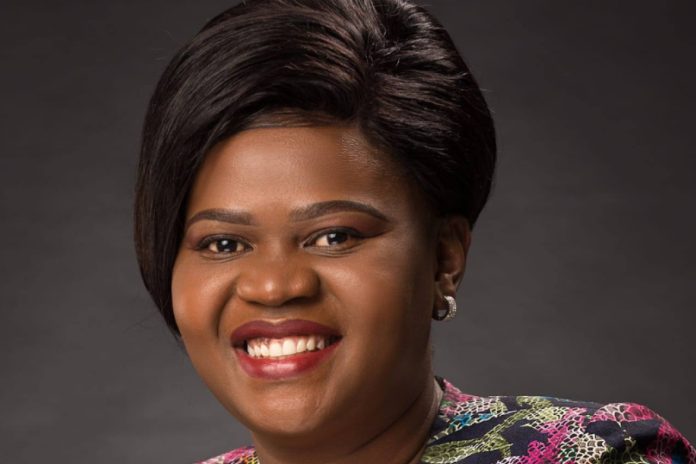
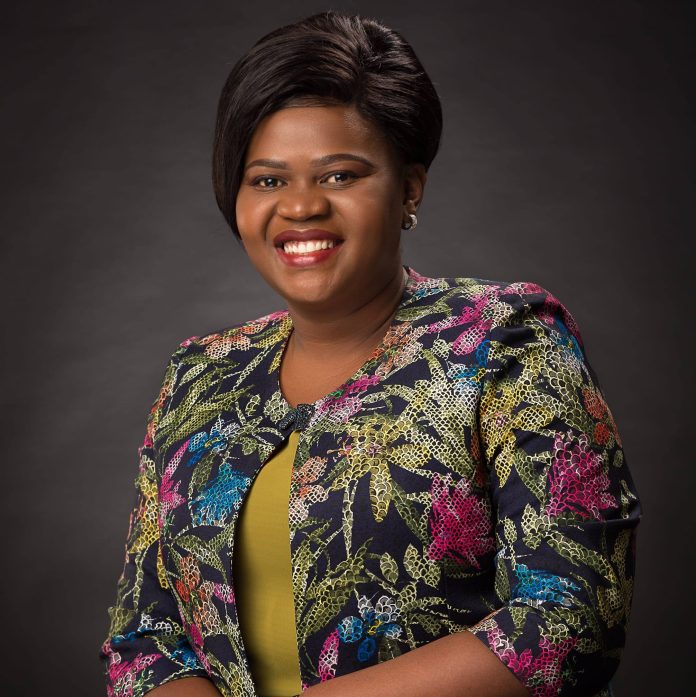
Chief Executive Officer of Lake Victoria South Water Works Development Agency (LVSWWDA), Ms Jackline Kemunto, said the Lake Victoria Water & Sanitation (LVWATSAN) Programme financial agreement was signed in 2020, and construction works began in December 2022.

She said the programme has three components, namely last-mile connectivity, expansion and construction of sewerage facilities, and expansion and rehabilitation of the Dunga Water Intake.

We are committed to making Kisumu City and its environs water-secure to promote investment opportunities and ensure a healthy community through access to clean, potable water in all households.

We cannot realise economic growth and investment in a city that suffers from water insecurity. That is why Kisumu is emerging as the next economic and investment hub.

Our work as LVSWWDA is to ensure we have infrastructure that responds to the ever-increasing water and sewer demand in the region.

We are up to the task, and our commitment to the above is in line with the government’s Bottom-Up Economic Transformation Agenda (BETA) of President William Ruto and the Kenya Kwanza Government,” she said.

Mr Paul Agwanda, Senior Manager of Water Works, said the three components of the programme will address water security, pollution, and sewerage in the city.

He said that under Component 1, the last-mile connectivity will witness 16,000 homes connected in Kisumu City and Maseno Municipality, increasing connectivity from the current 70 per cent to 95 per cent in water supply.

Through this, we will be able to tackle the outbreak of waterborne diseases such as cholera because residents will have access to clean water supply at their disposal,” he said.

In Component II, Agwanda said the project involves the expansion, rehabilitation, and augmentation of the Dunga Water Treatment Plant, increasing production from 18,000m³ per day to 45,000m³ per day.

This is to ensure that during the dry period, when the flow of River Kajulu reduces from 3,600m³ during the rainy season to 8,000m³ during the dry spell, water from the lake will be able to cushion residents from drought.

This is part of the adaptation to climate change affecting all rivers within Kisumu County. We hope to tender in September this year, and by June 2027, the works will be completed,” he said.

Similarly, Agwanda said that Component III includes the extension of sewerage and the construction of the Otonglo Wastewater Plant, which will increase sewerage connectivity from the current 17 per cent to 40 per cent.

This will drastically reduce pollution of Lake Victoria, which has resulted in algae bloom, water hyacinth, and devastating mass fish deaths in the lake. We want to make the lake clean and habitable for fish.

Fish in the lake usually breed on the Kenyan side of Lake Victoria, and the project will ensure that the fish ecosystem is not contaminated,” he said.

Chairman of the Agency, Odoyo Owidi, said that as a result, the project will go a long way in supporting the ongoing construction of affordable housing by the government in Kisumu and transforming the city’s fortunes.

Currently, we have ongoing housing constructions in Makasembo, Ondiek, Lumumba, and the ultra-modern El Marina, which was launched a month ago. The infrastructure will be able to respond to the water and sewer demands of these facilities,” he said.

Odoyo spoke as the Victoria South Water Works Development Agency handed over eight double-cabin vehicles and an exhauster to six Water Service Providers.

Two double-cabin pick-ups each were given to Migori Water and Sanitation Company, Siaya Bondo Water and Sanitation Company, Homa Bay Water and Sanitation Company, and Bomet Water and Sanitation Company. The exhauster, on the other hand, was issued to Gusii Water and Sanitation Company (Kisii & Nyamira).

The chairman urged the water companies to ensure the vehicles were properly managed and only utilised for their intended purposes.

The CEO said the Agency was committed to developing infrastructure for various water service providers to ensure the region was water-secure and had a healthy society.

We undertake the development of infrastructure, and we challenge you to ensure prudent service delivery to residents,” Kemunto said.

Raila’s Prophesy to Ruto comes to pass as they sign MOU for ODM-UDA cooperation

0

By Anderson Ojwang                      

Twelve years later, former Prime Minister Raila Odinga’s prophecy about the then-Agriculture Minister and running mate of TNA presidential candidate, Dr William Ruto has finally come to pass.

After a fallout between the former ODM luminaries Raila and Ruto, the two took separate political routes despite attempts by various elders, friends and political interests to reconcile them went nought.

The fallout witnessed Raila lose the Rift Valley support that catapulted his 2007 presidential bid and later resulted in the coalition government with President late Mwai Kibaki.

In the heat of the campaigns, in Kericho county ahead of the 2013 presidential election, Raila told the crowd that “Ruto will need him to win the presidency of the country in future”.

He again repeated the same in 2018 in Kipkelion East, during a burial by saying, Ruto a former ally turned foe should reach out to him because it was the only way he would be guaranteed of ascending to the country’s top seat come 2022 general election.

Raila then told Ruto that politicians from Mt Kenya were already scheming against him.

The prophesy has come to pass but in a different context and content because, in the 2022 presidential election, Raila was fronted by then-President Uhuru Kenyatta while Ruto secured the support of former personal assistant to Uhuru, Rigathi Cachagua, who became his running mate and eventually deputy president.

Ironically and interestingly, President Ruto and his team accused his deputy of undermining him and Rigathi was eventually impeached and currently a leading member of the opposition.

During last year’s demonstration by the Gen Zees over the Finance Bill that nearly paralyzed the government and shook President Ruto’s administration to the core, Raila came to his rescue to thaw the rebellion.

This subsequently, resulted in the formation of a broad-based government that culminated in the appointments of Orange Democratic Movement (ODM) top leadership into the cabinet.

And today, the prophecy came to pass after Ruto and Raila signed a memorandum of understanding, which is framework for the engagement of the two leading parties namely ODM and UDA.

During the signing of the MOU Raila said “When I came back, I went to meet with the President in Mombasa to thank him for the support the government had given me during my campaigns.

He was very gracious. At that time, I found out the two teams from the two parties had worked out some documents that they wanted to be signed.

I told him, I could not sign the documents until, I have consulted my people. So, I took time from that time, went to Kisumu, met prof Anyang Nyong’o, elders and later went to Siaya, Migori, Busia, Kisii, Coast and Wajir and Nairobi and Narok.

I managed the get the feelings of my supporters and that is the reason why we have the conference to sign this document. Today, we have signed MOU between ODM and UDA.

Clarion call is to reduce tension in the country reconcile the nation and move the country forward. As leaders, of the largest political parties in the country, we arrived at the understanding that in a time of significant changes, to our nation, it is not enough to stand aside and criticize, easy as it may be . We have agreed to use our parties as a platform to bring together various voices opinions and concerns to address critical challenges facing the country through the formation of that truly national and inclusive outlook.

The MOU doesn’t define the formation of a political coalition between ODM and UDA, however, its successful implementation could inform the basis of steps to constitute formation for a stable country in the future,’’ he said.

Ruto in return recognized Raila’s contribution to the nation and said he would be forever beholden to the former Prime Minister.

“It was very clear to me that my support for Raila Odinga for AUC seat was not meant for him to surrender his political support base for me.

I said then and again today, he was a great candidate and ran a beautiful campaign. I am proud of him

When he came back, we have been working together on the broad-based arrangements that we have, that is not inspired by what is in it for him or me but how we can close ranks and deal with the issues affecting the people of Kenya

This brings us to this moment and I must congratulate Raila and the ODM party for their boldness and courage to take the position for Kenya and for the people of Kenya.

That is a very bold and courageous decision. It may not be a popular decision but that doesn’t undermine the fact that it is the right decision to stand with the people of Kenya.

The realizations have enabled Kenya’s largest political movements to engage constructively, recognizing the unique opportunity before us.

We must rise above political differences and embrace a higher vision of the Kenya we all deserve.

This moment is not about William Ruto or Raila Odinga, this agreement is not about sharing positions and winning elections, it is about the people and the interest of Kenya. That is what is significant to me.

It is now time to close ranks as leaders because this nation can succeed, we have what it takes to be a great nation. But we haven’t made the steps and decisions that would make the country to be great.

We have been always making politically correct decisions; we need to make decimos thar are correct as far as the interest of the nation is concerned.

I congratulate Raila, for the courage he has to make difficult decisions. Not many leaders can make the kind of decisions Raila have made. I know the kind of difficulty Raila has gone through in taking us to this position.

My brother, Raila history is going to judge you fairly for what you have done for this nation.

Immediately after the elections, I called Raila, I told him, you have been my party leader and my senior. Today, by God’s grace I am president. I want you to be treated well and I will do whatever it takes to make sure, that you have respect in Kenya.” Nyong’o said.

Taifa Care Must Work First, Before People Register

0
Junior Secondary Schools

By Billy Mijungu

Why aren’t people signing up for SHIF/SHA, or the so-called Taifa Care? The answer is simple: It’s not working, and therefore, it does not inspire confidence.

The best way to market a public healthcare scheme isn’t through slogans or government directives. It’s by proving, beyond doubt, that it delivers. People need to see bills being paid efficiently, hospitals accepting Taifa Care without drama, and complaints being resolved swiftly. Until that happens, the uptake will remain low. No one is willing to sign up for a program that appears stillborn.

The government must change the narrative—not by force or propaganda, but through action. It must prove that Taifa Care is functional, effective, and reliable. A good place to start is by ensuring that every government employee, from top officials to civil servants, is exclusively covered by Taifa Care. Retiring all private medical insurers in government institutions would not only inspire public confidence but also save the exchequer nearly Ksh 150 billion annually.

If Taifa Care is truly meant to be the solution for all Kenyans, then let those running the country lead by example. Until then, skepticism will remain, and sign-ups will be sluggish.

Regional Prison Commander Challenges Inmates to Reflect and Refocus on Their Lives

0

By Erick Otieno

Nyanza Regional Commander of Prisons, Patrick Nyaachi, has asked Migori inmates to reflect on their time in prison and decide who they want to be in the future.

Nyaachi, who celebrated International Women’s Day with women inmates at Migori Main Prison, urged the inmates to accept and embrace the change offered at the prison facilities to self-reflect on their lives after their jail term for a better future.

He told the inmates to think about the virtues of freedom and reflect on their time before their jail term to change and become responsible citizens.

He also reminded men of their obligations by pointing out that a home and a society that lacks men’s leadership is not a strong society.

I am urging men to play their part and be responsible citizens in taking care of their families rather than being in jail for crimes that they could have prevented,” noted Nyaachi.

The official also called upon women who falsely accuse their men of various crimes to desist from the behaviour that jeopardises family unity.

Sometimes men are accused falsely and end up in jail for crimes that they did not commit,” explained Nyaachi.

He emphasised that the criminal system will continue to play its part to ensure that those who deserve to be in prison are genuine cases.

The official also added that the correction department will continue to take good care of inmates to ensure they become responsible citizens when they finish their jail terms.

Chief Officer in Charge of Gender and Inclusivity, Prof Rose Odhiambo, explained that culture was still the biggest hindrance to gender equality.

Odhiambo said a section of male and female inmates have been jailed because of Gender-Based Violence (GBV) and Female Genital Mutilation (FGM), cases that she said could be easily avoided.

On her part, Migori Resident Judge Anne Onginjo urged the inmates to be good ambassadors in prison as well as outside after their jail term.

Onginjo, however, called upon Kenyan citizens to be truthful to the court to get justice, adding that being truthful can open doors to an alternative justice system like mediation that can help individuals avoid prison.

“Advancing Inclusivity: The Landmark Persons with Disabilities (Amendment) Bill of 2023”

0

Dr.Edris NOmondi  (Advocate)

Attorneyedris@ywcg.org

In a poignant personal experience, I recall a time when I took my mother, suffering from an amoebic dysentery infection, to a hospital here in Kisumu. After her condition deteriorated and she lost a significant amount of water, she was admitted to receive drip medication. The next morning, we were horrified to discover that her active hand, had turned pale black, and had lost all feeling. It was a traumatic experience for the family, especially compounded by the realization that hospital negligence had indeed led to the loss of her fingers. This first-hand encounter with medical negligence deeply underscored the vulnerability we all can be susceptible to.

Anyone can be disabled:

The 2024 road carnage statistics have shown that approximately 4500 people lost their lives last year, thousands more suffered a form of disability-a reality check- that any of us can suddenly become a disability victim.

The tabling of the Bill:

This personal story resonates well, with the ongoing fight for the rights and welfare of people with disabilities. One notable champion of this cause is a Kenyan nominated Senator, one Crystal Asige, who has achieved a monumental stride for this nation, especially the country’s disabled community.

Allow me to paint an imaginary journey from Senator Asige’s perspective-she first tabled the Persons with Disabilities Bill on 22nd March 2023, before the Senate, got drowned into the august house debate that convinced the Senate to pass the Bill in February of 2024. A year later, the march awaited news rang her door bell-January 16th 2025, and yes, The National Assembly had approved the Bill into Law. With tears of joys that filled her eyes, her sojourn had finally culminated a journey worth the senate. Today, Kenyans of all walk of life, alive to her efforts- celebrate her. Her nomination is worth her representation-a significant historic memoir, that has aligned the rights of persons with disabilities within the constitutional guarantees, especially under Article 54 of our Constitution.

Progressive Constitutional Gains for Persons with Disabilities

It is significant to note that, The Persons with Disabilities Bill, 2023, did outdate, The Person with Disabilities Act, 2003, which had since been in place from June 16, 2004. The take away here is that, the amendments did realign with the 2010 Constitution of Kenya. There is no doubt that the amendments introduced several progressive measures aimed at improving the lives of disabled individuals across Kenya, particularly through greater accessibility, healthcare provisions, and employment protections.

One of the core provisions of the amendments was the reorganization of the National Council for Persons with Disabilities (NCPWD). This restructuring focuses on decentralizing the Council’s operations to enable it, better serve individuals at the grassroots level, specifically by involving county governments as the key implementors of National Government policies on disability and disability programs. This move is crucial for ensuring that disabled persons are not left behind, especially those in remote areas who have previously struggled with limited access to services.

International Win-Comparisons and Benefits

When comparing the Amendments with international standards, the law holds up well in many ways. Countries like the United States have long had legal frameworks, such as the Americans with Disabilities Act (ADA), which ensures accessibility and inclusion for persons with disabilities. Similarly, the United Kingdom’s Equality Act of 2010 provides comprehensive protections for individuals with disabilities, including workplace accommodations and public service access. The Kenyan law draws from these international frameworks, making strides to align with global standards for the protection and inclusion of persons with disabilities.

Additionally, the World Health Organization (WHO) and the United Nations (UN) have long advocated for the rights of persons with disabilities, pushing for laws and policies that promote their social inclusion and equitable participation in society. Kenya’s legislation aligns with these global standards by emphasizing accessibility, healthcare, and education are now within the required parameters on the United Nations Convention on the Rights of Persons with Disabilities (CRPD) and the Universal Declaration of Human Rights.

Some Key Features and Benefits of the Law:

Free Medical Care

Persons with disabilities will be entitled to free medical care and treatment at public health institutions. This provision is particularly significant as it addresses the financial burden that many disabled persons face in accessing necessary healthcare. Section 24(5) of the legislation guarantees this fundamental right.

Family Unity

The law also stresses the importance of family unity, with Section 8(3) ensuring that no person with a disability will be separated from their child on the grounds of their disability. This provision helps challenge outdated stereotypes and highlights that disability should never be a barrier to family cohesion.

Retirement Age

Another important feature of the legislation is that employees with disabilities will now be allowed to retire at the age of 65, as outlined in Section 21(6). This opportunity creates economic participation and stability.

Healthcare Accessibility

Section 24 requires hospitals to establish accessible disability desks, ensuring that persons with disabilities can easily access the services they need, with healthcare professionals undergoing specialized training to provide adequate care for individuals with disabilities, and staff trained in sign language will be available to assist deaf patients.

Improved Accessibility Standards

One of the most important measures in the legislation is the registration of accessibility auditors, who will be tasked with ensuring that buildings, transport systems, and public services are accessible. This will ensure that people with disabilities are not excluded from participating in everyday societal activities, as outlined in Section 35(A)

Tax deductions

  1. For every private employer who engages a person with a disability as a regular employee shall be entitled to apply for a deduction from its taxable income equivalent to 25% of the total amount paid as salary to such employee. (Section 23(1)
  1. For Every improvement made by a private employer to a physical facility, they shall be entitled to apply for additional deductions from its net taxable income equivalent to 50% of the direct costs of the improvements, modifications or special services. Section 23(2)

Conclusion:

The benefits above is but a mention of only many great provisions. The passage of this law marks, a significant leap towards inclusivity and equality for people living with disabilities in Kenya. The law provides new opportunities for County Governments to realign their county disability legislations with the new developments. Of significance at this moment and time, is the incorporation of relevant bodies like the Council of Governors, the Kenya Law Reforms and other relevant government agencies to work together towards coming up with implementable formidable, practical regulations, that will operationalize the letters of the legislation into law.