Home Blog Page 163

PRESIDENT WILLIAM RUTO CONSOLIDATES POLITICAL BASE WITH STRATEGIC MEETING AT STATE HOUSE

0

By Remmy Butia

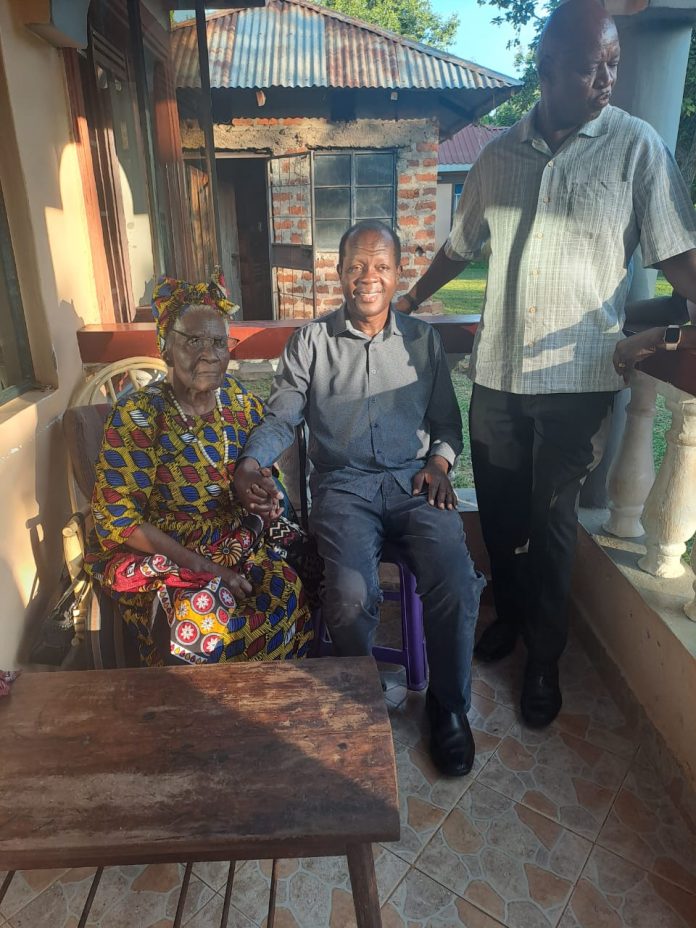
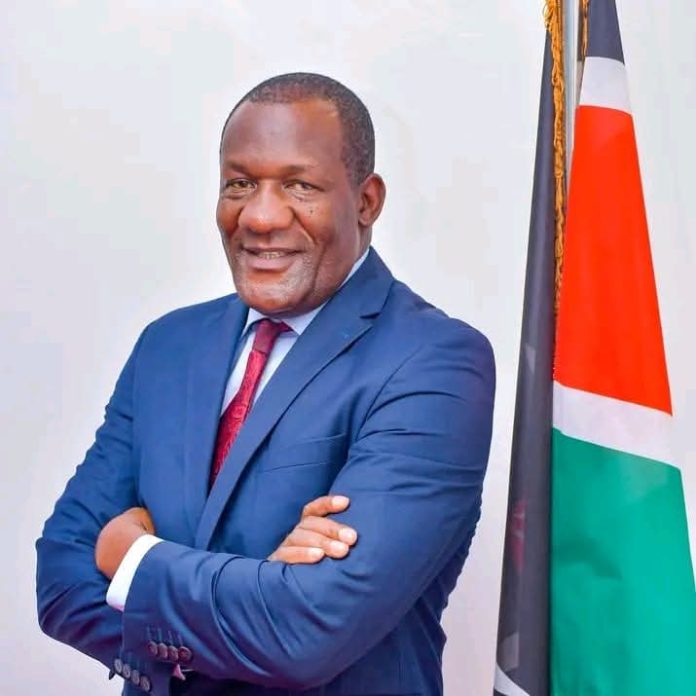
In a move that underscores his commitment to strengthening his political base, President William Ruto earlier today hosted former Industrialization Minister Hon. Henry Kiprono Kosgei at State House, Nairobi. The meeting, which has sparked significant political interest, highlights Ruto’s efforts to solidify support within his Rift Valley backyard and across the country as he navigates the complexities of Kenya’s political landscape.

Hon. Henry Kosgei, a seasoned politician and the longest-serving Member of Parliament for Tinderet Constituency, is a towering figure in Rift Valley politics. Having served as an MP for an impressive 35 years, Kosgei’s influence in the region is undeniable. His political career, marked by resilience and strategic leadership, has earned him respect and admiration from both his constituents and peers. As a key figure from President Ruto’s political stronghold, Kosgei’s endorsement and collaboration are crucial for the President’s broader political strategy.

The meeting at State House was more than a courtesy call; it was a strategic engagement aimed at consolidating support and fostering unity within the Rift Valley region. President Ruto, who has been keen on building a broad-based coalition since assuming office, understands the importance of aligning with veteran politicians like Kosgei. Their discussions reportedly centred on development agendas, regional unity, and strategies to address the socio-economic challenges facing the Rift Valley and the nation at large.

For President Ruto, the Rift Valley remains a critical political base. The region has consistently supported his political ambitions, from his days as a Member of Parliament for Eldoret North to his rise as Deputy President and ultimately as Kenya’s fifth President. However, maintaining this support requires continuous engagement with key stakeholders, including political veterans like Kosgei, who have deep roots and influence in the region.

Kosgei’s presence at the State House also signals a potential realignment of political forces. As a former minister and a respected elder in Kenyan politics, his association with President Ruto could inspire confidence among other leaders and voters in the Rift Valley. This is particularly significant as the President seeks to implement his ambitious Bottom-Up Economic Transformation Agenda, which aims to uplift marginalized communities and drive economic growth from the grassroots level.

The meeting also comes at a time when President Ruto is working to bridge divides and foster inclusivity in his administration. By engaging with leaders like Kosgei, who have a wealth of experience and a broad network, Ruto is sending a clear message that his leadership is rooted in collaboration and respect for Kenya’s political heritage.

As the political landscape continues to evolve, President Ruto’s ability to consolidate his base will be critical to his success. The meeting with Hon. Henry Kosgei is a testament to his strategic approach to leadership and his determination to build a united and prosperous Kenya. For now, all eyes remain on the State House as the President continues to navigate the intricate dynamics of Kenyan politics, one strategic meeting at a time.

Addressing the ‘Boda Boda’ Menace: A National Crisis Requiring well thought out Legislative Action and Strategic Road Management

0

By Dr. Edris N. Omondi (Advocate)

attorneyedris@ywcg.org

During a recent visit to the Jaramogi Oginga Odinga Referral and Teaching Hospital (JOORTH) in Kisumu, I was confronted with a distressing reality in the Casualty Department. On average, at least two boda boda riders are wheeled in daily, suffering from serious injuries—many of which are fatal. Those fortunate enough to survive often escape with permanent disabilities. This experience underscores the severe consequences of an unregulated boda-boda industry that has reached crisis levels across Kenya.

The boda-boda sector, while a critical source of income and mobility for many, has become a major safety concern. The growing number of accidents and fatalities linked to boda bodas points to the urgent need for comprehensive legislation, road management, and the empowerment of the towns and cities board to address this issue effectively. If left unchecked, the toll on both human lives and public health will continue to escalate.

National Crisis: The Boda-Boda Menace

Boda bodas have become a cornerstone of public transport in Kenya, especially in urban and rural areas where other forms of transport may be unavailable or impractical. However, this rapid growth has come with a steep price:

Road Safety Issues: The National Transport and Safety Authority (NTSA) reports that boda bodas are involved in 45% of all road accidents in Kenya, with a significant portion resulting in fatalities or debilitating injuries.

Traffic Congestion: Boda bodas contribute heavily to urban congestion, often bypassing traffic rules and creating chaos on already crowded streets.

Lack of Regulation: The boda boda industry remains largely unregulated, with many operators lacking proper training, licenses, and safety gear.

Legislative Solutions: The senate has just introduced the Public Transport (Motorcycle Regulation) Bill,2023 in response to the growing menace. The ‘boda boda’ Bill in the Senate is a pivotal step toward regulating the sector. Among its provisions, the bill seeks to:

Registration and Licensing: All boda boda operators must be registered and licensed, ensuring that only qualified individuals are allowed to operate in the industry.

Mandatory Safety Gear: The bill mandates the use of helmets and other safety equipment for both riders and passengers.

Insurance Coverage: Insurance will be required for all operators, ensuring that victims of accidents receive compensation.

Designated Routes and Lanes: The bill proposes the creation of specific routes and lanes for boda bodas to help reduce traffic congestion and enhance safety.

However, for these provisions to have a meaningful impact, there is a need for effective local enforcement. Empowering county governments to take charge of enforcement through relevant structure, will be key to the bill’s success.

The Bills Lacuna:

The bill devoid of current SACCOs, introduces cooperatives as a registration entry point and proposes the empowerment of County Government through the creation of a Board under a County Executive Member, presumably for Transport. In my thinking, we have a structural problem that would create a lacuna for confusion, inefficiency and a probable corruption avenue.

County Governments would have to juggle between management and revenue collection with new structures expected to be put in place. What if, we use the same existing structures but strengthen them, the output would be amazing. We already have the Urban Areas and Cities Act, which has created both the Towns and the City Board.

These boards under the legislation are already tasked with urban planning, infrastructure, and public service. They have experience handling matters related to transportation and urban mobility. In fact, a dive into section 13 of the Kisumu County Transport Act, for instance, gives us a bird’s eye view of the in-depth efforts County Governments are already involved in. They only need a boost from this bill to effectively manage the industry. By building on existing urban governance structures, we mitigate the risk of inefficiency and corruption, while also ensuring that regulations are tailored to local needs.

The Sacco’s as self-regulating as they are, can plunk into a tripartite arrangement legislatively with both the NTSA and the City Boards. The solution is not in creating new structures, but strengthening the existing ones to be efficient.

Compelling Motorbike Sellers to Ensure Safety:

A proactive approach to safety should also involve motorbike dealers. All sellers of motorcycles should be compelled by law to ensure that safety gear, including helmets, reflective vests, and gloves, is sold alongside every motorcycle purchase. This would ensure that every operator is equipped with the necessary tools to protect themselves and their passengers from the very start. Sellers should be legally required to provide safety gear at the point of sale, thereby fostering a culture of safety from the outset.

Road Management and Implementation Challenges:

While the legislative framework is crucial, effective road management and implementation are equally important:

Infrastructure Issues: Many roads in Kenya are not designed to safely accommodate motorcycles. There is a lack of dedicated lanes for boda bodas, poor road markings, and inadequate signage—factors that contribute to the chaos on the roads.

Enforcement Gaps: Despite existing traffic laws, enforcement has been inconsistent. Local authorities struggle with limited resources, corruption, and a lack of coordination, which undermines the effectiveness of regulations.

Cultural Resistance: The informal nature of the boda boda industry has made it resistant to regulation, with some operators and passengers reluctant to adopt new safety standards or licensing requirements.

Best Practices from Other Jurisdictions:

Several countries have tackled similar challenges and can offer valuable lessons for Kenya:

Dhaka, Bangladesh: In Dhaka, motorcycle taxis have been regulated through a combination of mandatory helmet use, licensing, and route restrictions. The government also introduced training programs for riders to improve safety standards and reduce accidents.

India: Cities like Mumbai have implemented motorcycle taxi regulations, including mandatory helmet use, the requirement for drivers to undergo training, and the establishment of dedicated motorcycle lanes. The use of ride-hailing apps has also helped to formalize the sector and ensure greater accountability among operators.

Rwanda: Rwanda has successfully introduced regulations that require boda boda riders to undergo safety training, wear helmets, and operate within designated routes. These measures have significantly reduced the number of accidents and fatalities in the country.

Thailand: Thailand enforces strict regulations for motorcycle taxis, including mandatory safety training, licensing, and insurance. The government has also created designated motorcycle lanes in major cities, which have helped reduce congestion and improve safety.

A Futuristic Outlook: Integrating Environmentally Friendly Motorcycles

As Kenya seeks to modernize and regulate its boda boda sector, it is crucial to also adopt a futuristic outlook that aligns with global sustainability goals. With the world moving towards environmentally friendly alternatives, Kenya must look beyond fossil-fuel-powered motorcycles. The shift towards electric motorcycles (e-bikes) can significantly reduce the sector’s environmental impact. This change is particularly timely, as fossil fuel-powered vehicles face increasing restrictions in many countries due to their contribution to pollution and climate change.

To encourage this shift, Kenya could introduce policies that support the use of electric motorcycles within the boda boda industry:

Subsidies for Electric Motorbikes: The government could offer incentives, such as subsidies or tax rebates, to boda boda operators who purchase electric motorbikes, making them more affordable and accessible.

Charging Infrastructure: Investment in charging stations for electric motorbikes is essential for this transition. By building a network of charging stations in urban centres, counties can encourage boda boda riders to switch to cleaner, greener alternatives.

Training and Support: Training programs for boda boda riders could also be tailored to include the maintenance and operation of electric motorbikes. This would ensure that operators are adequately prepared to manage the new technology.

Best Practice from Other Countries:

China: China has successfully integrated electric motorcycles into its urban transport systems. The government provides incentives for the purchase of electric bikes, and in cities like Shanghai and Beijing, electric motorcycles have become commonplace in the delivery and transport sectors.

India: In India, the government has launched initiatives to promote electric vehicles, including electric motorcycles, by providing financial incentives,subsidies, and reducing import duties on electric vehicles. Many Indian cities are also working on establishing charging stations for electric bikes, making it easier for riders to adopt green alternatives.

The Future of the Boda Boda Industry:

Looking ahead, the boda boda sector is likely to undergo significant changes:

Technological Integration: The rise of ride-hailing apps such as Bolt and Uber in the boda boda sector can help formalize operations and improve safety standards by introducing technology that tracks riders and ensures better service quality.

Stronger Regulation and Enforcement: The successful passage and implementation of the Boda Boda Bill will help create a safer environment for both operators and the public. Empowering county governments to enforce regulations and tasking Boda Boda Saccos with ensuring compliance will strengthen oversight and accountability.

Public-Private Partnerships: Collaboration between the government, private companies, and non-governmental organizations can further enhance road safety, improve training, and offer better insurance options for operators.

Environmental Sustainability: A key future consideration should be to encourage the adoption of environmentally friendly vehicles, such as electric motorcycles, that reduce pollution and contribute to Kenya’s broader environmental goals.

Conclusion

The boda boda industry plays a crucial role in Kenya’s transport system but poses significant risks to public safety and the environment. The Boda Boda Bill represents a critical step in regulating this sector, but its success depends on effective local enforcement, the active participation of boda boda Saccos, and the involvement of motorcycle sellers in ensuring safety gear is available from the outset. By learning from international best practices and implementing strong local enforcement, Kenya can build a safer, more organized boda boda industry—one that protects lives, reduces road accidents, and provides a safer working environment for operators.

The United Nations is set to establish three new global offices in Kenya

0

By OPCS Press Service

Kenya is poised to host three new United Nations global offices by the end of next year, as part of making Nairobi a critical hub of the UN operations.

The world’s largest recognized international organization is planning to set up offices to host the United Nations Children’s Fund (UNICEF), United Nations Population Fund (UNFP) and the United Nations Entity for Gender Equality & the Empowerment of Women (UN WOMEN) programmes.

In a consultative meeting held at the Prime Cabinet Secretary Musalia Mudavadi’s office, it was noted that Kenya’s strategic positioning as the regional logistic and financial hub gives it an edge in supporting the UN’s pivotal role in multilateral diplomacy, and advancing key global and regional priorities.

“We are working very closely, and Kenya is looking forward for UN’s support with a commitment to make Nairobi a very critical hub for the UN’s operations both in the country, regionally and across the globe,” said Mudavadi.

“Kenya will be leveraging on the UN’s existing presence in the country and the opportunities presented by its operations in the greater horn, east and central Africa sub-regions,” added Mudavadi.

This will be in addition to the current two global offices, the United Nations Environment Programme, UNEP and the UN-HABITAT which have their headquarters in Nairobi.

Mudavadi said the government engaging and working with various stakeholders to ensure it provides a conducive and enabling environment with all legal frameworks put in place for this initiative to materialize.

He was speaking at his Railways HQ offices when he hosted the visiting President of the 79th Session of the United Nations General Assembly, Philemon Yang for a high-level consultative meeting on Wednesday.

“I want to thank the government of Kenya for receiving the United Nations here in Nairobi. I have heard and personally seen many things happening from both sides and the collaboration and partnership on the Kenyan side is tremendous,” said Yang.

The meeting brought together key representatives from the United Nations, Nairobi offices led by the Director-General of the United Nations Office in Nairobi (UNON),
Zainab Bangura and Senior Kenyan Government Officials including Principal Secretaries Korir Sing’Oei (Foreign Affairs), Joseph Mbugua (Roads), Julius Koris (Water) and Aurelia Rono (Parliamentary Affairs) among others.

Bangura said the Kenyan government has been instrumental in ensuring a steady growth of UN operations appreciating the current administration and the previous governments for having a sense of mutual benefits from the programmes run by the UN in Kenya.

She said as the world moves towards the 2030 deadlines and sets the agenda for 2063, Kenya’s experience highlights the need for collective action both within the country and globally to ensure that progress is inclusive and enduring.

The path forward she noted will demand continuous innovation, resilience, and cooperation to achieve a more sustainable and equitable future for all.

“The Nairobi duty station is the fastest growing duty station in the United Nations, and it is the only duty station progressively recording a steady growth. As we speak, we have 86 UN offices in Kenya and 73 in Gigiri in the capital city Nairobi. When the UNEP was set up, we had only 300 staff, now we are boasting of 6,500 staff, 11,000 families and dependants.” she appreciated.

“With the support of the United Nations, Kenya’s Progress towards the Sustainable Development Goals is being realized as we are making progressive strides in healthcare, education, gender equality and climate action among other support programs,” said Mudavadi.

The new global offices will boost the UN’s operations thus reaffirming Kenya’s leadership in regional and global affairs, since being admitted as a Member State of the United Nations on 16th December, 1963 immediately after attaining independence.

Nairobi has since been recognized as the heart of an innovative effort that is evolving the operational landscape of the United Nations in the region.

Mudavadi noted that by working together and with the UN’s support Kenya can achieve a lot not only for her economic growth and well-being of the citizens but much more for the good of the region and world.

“Apart from the UN, we are seeing other entities wanting to come to Kenya. We are already receiving a fairly rapid line of requests, from other international agencies including non-governmental bodies, that would want to relocate and have their centers come to Nairobi.” pointed out Mudavadi.

“What I have noted is something invisible, which I found out to be the positive and proper attitude whose efforts are great, and I foresee a great future with great things and miracles happening through this partnership. Coming and reasoning together is the way into the future.” Said Yang.

The Director-General of the United Nations Office at Nairobi revealed that at the 2030 UN General Assembly, a special request for consideration to elevate Kenya’s stature will be presented to bring Nairobi to a favourable competitive level with Geneva and New York.

“We will be investing 340m dollars in upgrading the infrastructure and one of the investments is building an Assembly Hall, the 1st assembly hall, the UN General Assembly is building since 1949. Once the project is concluded, if called upon and required, Kenya will then be in a position to hold a UN General Assembly because they will have the infrastructure in place. We are going to have a 9,000, sitting capacity, which is at par with New York and Geneva and we are going to have 30 conference meeting rooms.” Baranga explained.

The United Nations (UN) is an intergovernmental organization that aims to maintain international peace and security, develop friendly relations among nations and countries, achieve international cooperation, and serve as a centre for coordinating the actions of member states.

The UN headquarters is located in New York City, in international territory with certain privileges extraterritorial to the United States, and has other offices in Geneva, Nairobi, Vienna, and The Hague, where the International Court of Justice is headquartered at the Peace Palace.

The UN is championing the realization of the Sustainable Development Goals which are a global call to action to end poverty, protect the earth’s environment and climate, and ensure that people everywhere can enjoy peace and prosperity.

In Kenya, the goals the UN is working on include championing to achieve zero hunger and poverty, quality and affordable education, gender equality, clean water and sanitation, decent work and economic growth, industry, innovation and infrastructure, reduced inequalities, sustainable cities and communities, responsible consumption and production, life below water, life on land, peace, justice and strong institutions and partnerships for common goals.

ENDS

Kisumu County Government Freezes Employment and Promotions as OAG Rolls Out Payroll Audit

0
Anyang' Nyong'o Governor of Kisumu County

By Anderson Ojwang

The Kisumu County Government has taken a further step to freeze employment and promotions of employees, two months after suspending the exercise.

County Secretary Heston Hongo, in a circular to all departments and the County Public Service, wrote: “It has been directed that henceforth there shall be no new employment or promotion to permanent and pensionable terms in the County Government of Kisumu until advised otherwise,” in a memo dated 18th February 2025.

Recently, the Office of the Auditor General (OAG) wrote to all 47 counties about an upcoming in-depth payroll audit.

In a circular to the County Secretary, Kisumu County, dated 17th December 2024 and captioned “In-depth Payroll Audit for the Kisumu Government”, Joyce Ndungu, on behalf of the Auditor General, stated that the audit would cover three financial years: 2021-2022, 2022-2023, and 2023-2024.

The circular reads in part:

**“The Office of the Auditor General will be undertaking an in-depth audit of the payrolls in all 47 county governments for the financial years 2021-2022, 2022-2023, and 2023-2024.

The purpose of this letter is to inform you that staff from this office will be undertaking the audit in your county from 6th January 2025. Kindly provide the required documents, information, and data as detailed in Annexure I attached.”**

Last year, Hongo wrote to the Public Service Board suspending recruitment, contract extensions, and conversions of contracts to permanent and pensionable terms.

Interestingly, the Board had already conducted interviews for employment and promotion of staff, while employees whose contracts were expiring were not renewed.

A memo dated 11th November 2024, addressed to the County Secretary by the Board’s Vice Chairperson, Dr Mary Jacinta A. Kapiyo, revealed that the Board had conducted several interviews and was in the process of dispatching appointment letters and regret letters.

“The Board, upon receipt of the aforementioned letter, held a meeting on Monday, 11th November 2024, to discuss its contents. At the time of suspending recruitment, contract extensions, and conversions to permanent and pensionable terms, the Board had the following ongoing activities,” the memo reads in part.

The Board had conducted interviews after receiving requisitions from different departments to recruit staff for various positions.

  • In the Office of the County Attorney, there were nine vacancies. After the availability of funds was confirmed, selection was done, but appointment letters had not yet been issued.
  • In the Department of Trade, Tourism, Cooperatives, Industry, and Marketing, there were eight vacancies. Selection was completed, and the Board was awaiting confirmation of funds from the department.
  • In the Kisumu County Revenue Board, there was one vacant position. Selection was done, and the Board was awaiting confirmation of funds from the department.
  • In the Department of Energy, Transport, Roads, and Public Works, there were 109 vacant positions. Selection was completed, funding was confirmed, but appointment letters had not yet been issued.
  • In the Department of Lands, Housing, Physical Planning, and Urban Development, there were 32 vacancies. Funding was confirmed, and selection was conducted, but appointment letters had not been issued.
  • In the Department of Education, Technical Training, Innovation, and Social Services, there were vacancies for Assistant Vocational Trainers (10 positions) and Early Childhood Development Education (ECDE) Teachers (100 positions). Interviews were scheduled to take place between 18th November 2024 and 2nd December 2024.

The Board noted that the recruitment process had been initiated by the relevant departments and approved by the Cabinet after budget confirmation and consideration of various justifications. A formal request was then made to the Board.

“The Board received a reminder letter from the Department of Lands, Housing, Physical Planning, and Urban Development requesting the release of names of successful candidates to enable the department to operationalise the municipalities. This will ensure that the county government does not miss out on the conditional grant from the Kenya Urban Support Programme (KUSP),” the memo reads in part.

The Board further noted that in 2020, it had conducted interviews for ECDE teachers and selected suitable candidates. However, appointment letters were never issued due to a lack of funds.

“A repeat of the same will negatively impact the Board and the county government’s image in the public eye. Similarly, it will discourage applicants in future,” the memo states.

The Board warned that service delivery in the education sector would be affected, as evidenced by the number of schools without ECDE teachers in the county.

The County Human Resource Management Advisory Committee had submitted a request on 8th October 2024 to convert 130 staff members to permanent and pensionable terms. After scrutiny of individual staff files, the number was reduced to 43, and suitability interviews were scheduled for 14th November 2024.

The Board noted that conversion would save the county money by reducing accumulated gratuity owed to the affected staff, whose services were still needed. It also warned that failing to convert contracts might demotivate staff and lead to reduced productivity.

Regarding contract renewals, the Department of Public Service, County Administration, and Participatory Development saw the departure of 70 village administrators whose contracts were not renewed. In the same department, contracts for 23 support staff expired on 30th October 2024, and renewal letters had not yet been issued.

In the Department of Finance, Economic Planning, and ICT, 10 Supply Chain Management Officers left after their contracts expired in November 2024.

The Board also observed that while 70 village administration and 23 support staff contracts had expired, these staff members were still on duty. The Supply Chain Management Officers, meanwhile, had running contracts that were set to lapse on 30th November 2024.

Is the ODM-UDA Alliance a Mirage or a Reality in the Making?

0

By Anderson Ojwang

Scenes from Addis Ababa, Ethiopia, and back home in Kenya could have birthed a new political dispensation, with a new narrative of friends and enemies emerging to take centre stage.

The night meeting following the defeat of former Prime Minister Raila Odinga in the election for African Union Commission chairman in Addis Ababa, and the subsequent celebrations by a section of the country, could have triggered a new political realignment.

Mogotio MP Reuben Kiborek revealed that the night meeting after the defeat resolved to move the friendship between President William Ruto and Raila to the next political dispensation.

The whole nation was behind the candidature of Raila Odinga. In Raila Amollo Odinga’s candidature, Kenya had a strong candidate—a strong pan-Africanist, a leader who is very progressive, a democrat, a leader who had the interests of Africa at heart.

The results were not appealing; we lost, but in that loss, something was born in Addis. In Addis, unity was born. In Addis, comradeship was born.

I want to tell everyone who was laughing at Raila and dancing that nothing was lost in Addis. The only thing lost was the seat of the AUC. But in Addis, in despair and disappointment, the leaders who were there giving Raila moral support agreed that the interests of this nation supersede any individual interests and that we will come back home, work as a team, and build one progressive country—Kenya.

Anyone who expected that Raila’s loss would mark the end of his friendship with President Ruto, I want to tell them that Raila is a statesman, and President Ruto is a statesman. They will forge ahead in the interest of Kenya,” he said.

Homa Bay Member of Parliament George Opondo Kaluma said the loss in Addis has not affected the relationship between President Ruto and Raila; rather, it has strengthened their union.

He said MPs from Nyanza would soon visit Rift Valley to spread the message of “who are our friends and who are our enemies to the people.

“We are even closer to William Ruto. As I had previously stated, we are not moving out. In fact, now we have the glue and the cement. We will be going to Rift Valley, possibly in the middle of this week, to announce to them that we now know our friends, just as we also know our enemies.

We are saying the ODM party and Azimio must formalise their relationship with President Ruto now, and whoever will be the candidate in that coalition arrangement, I can tell you, will be the next president come the 2027 election.

MP Fatuma Mohammed expressed disappointment in those who celebrated the defeat and committed her support to President Ruto.

There were Kenyans who took buses and stayed on the road for four days to be in Addis Ababa, regardless of their tribe, party, and age. So to those Kenyans and media houses, please remember we are all Kenyans when you speak.

We want to tell those who were dancing—shame on you! And we are waiting for you. We love Ruto, and we will repay him because he loves our son.

I swear, we are waiting for you. We will embarrass you. You will not get a single vote in Kenya. You are not even Kenyan! In fact, I voted yes (for impeachment), and if you bring him back, I will vote yes again. He should even be expelled from this country,” she said.

Rangwe MP Dr Lilian Gogo, speaking in Parliament, expressed her support for President Ruto, saying she was touched when she saw the President drive to the election venue with Raila.

For all that I care, William, any time you call on us when you want us—William, William, we saw you. William, we saw what you did for our very own. Someone we value, somebody that Kenya values.

Someone who has gone through so much for this country, somebody who sacrifices, somebody who is not a tribalist, and someone who has given so much for the great Republic of Kenya.

President William, you came, and you were there for Baba. And William, you talked to us. I am telling you, what you did for Baba, the way Kenyans were mourning, and the way we were grieving—both of you stood and spoke to us in the evening in Addis. I congratulate you. Just unite Kenyans. Bring Kenyans together,” she said.

However, Advocate Willis Otieno, speaking during a TV talk show, said some people want to ride on Raila’s back and want the status quo to remain so they can continue benefiting.

Raila and his troops can decide to walk straight into the broad-based government. But there are political consequences for everybody. They can now go and take the skunk of William Ruto that John Mbadi talked about and fully immerse themselves in it. The people of Kenya will have a date to decide if that is the kind of skunk they want to continue with.

We are going to have people around Raila Odinga saying, ‘Give me this position.’ We will get new Cabinet Secretary and Permanent Secretary positions. But since 2013, there is one person in that political space who, when everyone else gets everything, never gets anything—and that is Raila Odinga. People are riding on Raila Odinga’s back to get positions for themselves.

I am sure in that space today, there are those who are saying, ‘We cannot rock the boat, and we must find accommodation now, fully in government,” he said.

Former Deputy President Rigathi Gachagua and Wiper leader Kalonzo Musyoka had extended an olive branch to Raila to join them in “liberating” the country from President Ruto.

Planning for the Future: Addressing Burial Site Challenges in Kisumu with Cultural Sensitivity and Legislation

0

Dr.Edris N.Omondi (Advocate)

attorneyedris@ywcg.org

As Kisumu continues to grow, balancing its urban and rural characteristics, the issue of burial sites becomes increasingly complex. Areas like Nyalenda, Obunga, Manyatta, Bandani, Kanyametha, Kanyakwar, Nyamasaria and Kogony areas which are part of Kisumu’s urban setup, still rely on traditional burial practices within the city. This reliance presents challenges such as limited space, potential environmental risks, and the need for a solution that respects the deep cultural significance of burial practices in the region especially among the Luo community the predominant majority in the affected areas.

One of the potential solutions is the development and greening of designated burial spaces, specifically the Mamboleo cemetery to be more of a memorial park. However, as this site nears capacity, Kisumu’s leadership must proactively plan for the future by identifying and gazetting additional burial spaces to prevent overcrowding and ensure respectful, sustainable practices.

Current Situation: Mamboleo Cemetery and Its Capacity

Apart from the historic Kisumu war cemetery, the Sunni Muslim and the Ismaili cemeteries, Mamboleo cemetery has long served as one of Kisumu’s main burial sites, but its capacity is nearing its limit. This has resulted in pressure to find additional areas for burial, balancing both the expansion of the city and the emotional, cultural, and religious importance of burial practices to local communities. This challenge requires a holistic, culturally sensitive approach that respects traditions while accommodating modern urban growth.

Potential Future Solutions:

1. Designated Burial Spaces: As proposed, additional burial grounds such as Mamboleo should be identified and expanded. The County Government should prioritize gazetting more land to ensure a long-term solution. These new sites should be strategically located within the wider county spatial plan to avoid crowding and should provide essential infrastructure, such as roads, water, and waste management, to mitigate health risks, ideally bring out green spaces out of the grave sites.

2. Modern Burial Practices: As urbanization continues, Kisumu might explore adopting modern burial practices, including vertical cemeteries or multi-layered burial plots for families, reserved at a price. Countries like Japan have implemented vertical cemeteries to optimize space in densely populated areas, and similar approaches could be adopted in Kisumu.

3. Eco-Friendly or Green Burial Sites: An environmentally sustainable option could be the development of natural or “green” cemeteries. These burial grounds would allow for biodegradable burials that minimize the environmental footprint. Countries like the UK and the U.S. have adopted such solutions to conserve land and preserve nature.

4. Cultural Sensitivity and Community Involvement: Given the deeply emotional and cultural nature of burial practices in Kisumu, any changes to burial site management must be handled with great care. Community engagement is crucial for gaining acceptance and ensuring respect for local traditions. Kisumu’s leadership should involve local elders, religious leaders, and community representatives in the decision-making process. The involvement of cultural and spiritual stakeholders will ensure that the burial process remains respectful of the values and customs of the people.

5. Development of County Legislation: To address the growing challenges of burial site management, Kisumu should develop comprehensive county legislation that governs the allocation and use of burial spaces. This legislation would:

  • Establish clear policies for the expansion and development of burial sites.
  • Create guidelines for eco-friendly and vertical burials.
  • Ensure culturally appropriate practices are included in the planning and management of burial grounds.
  • Protect the interests of local communities by involving them in key decisions regarding the designation of new burial sites.
  • Regulate the sanitation and environmental management of burial grounds to prevent public health risks.

International Examples of Resolving Burial Site Issues:

1. Singapore: Facing limited land space, Singapore has introduced vertical cemeteries and columbariums. The government has also promoted cremation over traditional burial. The shift has been carried out in a culturally sensitive manner, with extensive public consultations and awareness campaigns. This approach could serve as an example for Kisumu to explore vertical or multi-layered burial options considering Kisumu has also a wide population of the Asian Community.

2. London, UK: In London, where burial space is also limited, green burial sites have been created to provide a sustainable option for local residents. These sites avoid toxic chemicals and use biodegradable materials for burials. The city involved local communities in the process by hosting public consultations, ensuring cultural and religious sensitivities are respected.

3. New York City, USA: In New York, the city has set aside specific areas for burial parks in suburban regions to accommodate the growing population. New York officials collaborated closely with local communities to ensure that the new burial sites are culturally sensitive and aligned with the needs and traditions of its diverse population.

Conclusion:

Kisumu, as a city within a rural setup, faces a unique challenge in managing burial sites that respect local cultural practices while addressing the demands of urban growth. As Mamboleo cemetery nears capacity, Kisumu’s leadership must prioritize sustainable planning, identifying new burial grounds and incorporating modern solutions like vertical and green burial sites. At the same time, ensuring community involvement is critical to preserving cultural values. The development of county legislation will be key to providing clear, fair, and culturally respectful guidelines for burial practices, ensuring that the needs of both the living and the deceased are met in a way that honours Kisumu’s heritage and promotes sustainable urban development.

Governor Bii launches revenue enhancement initiative for Uasin Gishu County.

0

By Reporter and Governor Press Unit

In a move aimed at boosting revenue collection, the county government of Uasin Gishu, recently launched a robust  revenue enhancement initiative.

Governor Jonathan Bii said the initiative was geared towards raising revenue to a projected Sh 1.395 Billion for  the financial year 24-25

“The initiative aims at sensitizing the residents to pay revenues to strengthen the county’s financial base in order to sustain and improve service delivery.

 The county’s revenue mobilization strategy is a well-structured plan designed to yield better financial outcomes for the benefit of residents,” he said,

He said the launch exercise served as a starting point in reaching out to the business community, farmers, and residents, educating them on the importance of revenue enhancement and its direct benefits to the county.

Currently, Uasin Gishu County’s revenue collection stands at over Sh 500 million, with a targeted projection of approx. Sh1.4 billion. 

Governor Dr Bii expressed confidence in bridging the gap through collective effort and compliance. 

Last year’s collection of Sh 1.4 billion was a milestone and facilitated key service delivery projects, a success attributed to the industrious taxpayers,” he said.

Dr Bii said the exercise was purely a sensitization initiative, not an enforcement mission. 

We want to educate, encourage, and empower our stakeholders, ensuring that every citizen understands their role in revenue contribution

Every shilling collected translates into tangible development, improving infrastructure, markets, healthcare, education, and other essential services,” he said.

He said the  Service Center has been positioned as a one-stop-shop designed to offer convenience to residents by providing easy access to county services under one roof. Additionally, businesses are encouraged to utilize the *764#* USSD service for seamless digital payments, reducing the need for physical visits and making compliance easier.

Deputy Governor Mr. Evans Kapkea encouraged departments to focus on achieving their revenue targets. 

He explained the importance of maintaining a positive revenue trajectory while ensuring a conducive business environment. 

I appeal to county officials to support residents and exercise proper timing in revenue collection to enable us to fulfil our development promises,” he said.

County executive committee member for Finance and economic Planning, Mr. Micah Rogony said each department has been allocated revenue target and they are expected to achieve the goals.

We did not only meet our previous targets but we also revised them upwards. 

The Uasin Gishu’s Service Center is a model facility,  with a fully stabilized system consolidating all 43 revenue streams under one desk,” he said.

Chief Officer for Finance Mr. Eliud Chemaget said currently the county has collected Sh 526 million had been collected and that the government was committed  to fully automate its revenue system.

A key priority is ensuring that the revenue is collected from all businesses operating within the county,” he said.

Budget Committee chairman, Mr., Jonathan Ng’etich said the optimal period for collecting Land rates which was between October and March, when farm produce is available, and residents have financial capacity.

To bridge the remaining Sh 800 million revenue gap, we need a well-structured and dedicated work plan, furthermore, providing incentives to both the department and individuals facilitating revenue collection will enhance efficiency and compliance” he remarked

Kenya Under Raila and Ruto Raises the Profile of African Leadership

0
Billy Mijungu

By Billy Mijungu

In a stunning turn of events following the just concluded AUC Elections, the African political landscape has been irrevocably altered. The loss of Raila Odinga, a man whose towering profile and unparalleled fanatical support set him apart from any other African leader, has sent ripples through the corridors of power from Addis Ababa to Nairobi.

It is no secret that African Presidents have long harboured a quiet dread of Raila’s meteoric appeal. In a recent twist that could only be described as emblematic of this fear, President Museveni, apparently unnerved by the prospect of having to champion his brother’s candidacy, opted out of what many saw as a ceremonial lobbying exercise. At a recent Luo festival, an event charged with both cultural pride and political symbolism, Museveni, while a guest, went so far as to liken the Chairmanship of the AUC to that of a mere preacher. This remark encapsulates the prevailing sentiment the AUC, stripped of any real power, has devolved into a stage for endless lobbying and trivial errands for African Heads of State.

Who, then, needs such a hollow platform when Africa is shackled by a colonial legacy? Under the crushing weight of Arab and French hegemony, the continent’s true potential is often stifled. The farce of leadership that purports to steer the destiny of sub-Saharan Africa, manipulated further by the self-serving machinations of organizations like SADC, only reinforces the notion that Africa has been left to operate under outdated imposed orders.

Looking to the future, it is clear that Africa’s salvation lies not in empty titles but in unity and that unity must be linguistic. The next decade demands that we embrace Swahili and Arabic as our unifying tongues, liberating our collective consciousness from a mental slavery that has for too long defined our interactions with the world. Raila Odinga’s venture into Addis Ababa was more than just a political campaign. It was a bold declaration that Kenyan politics charged, celebratory, and unapologetically vibrant could offer a template for the rest of Africa.

Many nations, long accustomed to a muted political discourse, found themselves bewildered by Kenya’s dynamism. The mere possibility of Raila commandeering Africa’s political narrative was enough to shock the international community into inaction voting against a Kenya that seemed poised to overturn the established order was almost instinctive.

What, then, must be our course of action? First, Africa must urgently resolve its linguistic fragmentation. A common language is not a trivial matter it is the cornerstone upon which seamless trade and mutual trust can be built, an objective that should have been at the forefront of our Founding Fathers’ agenda. With such unity, commerce and cooperation would no longer be impeded by miscommunication and cultural barriers.

Moreover, Kenya must take a definitive stand in supporting African interests. The East African Community (EAC), with its reputation as a money-gulping organization yielding scant tangible results, has overstayed its welcome. In its place, Kenya should champion a more pragmatic trade-focused alliance that truly represents the aspirations of our people.

Finally, as a strategic necessity, Kenya should legislate to protect Rwanda as its natural outpost a bulwark in a region that is as volatile as it is promising. Rwanda, with its resilient spirit and unwavering commitment to its people, stands ready to shoulder its part in safeguarding our collective future. Redirecting resources from the failing EAC to strengthen this alliance is not merely a political manoeuvre it is an imperative for our survival in a rapidly evolving continent.

In these turbulent times, Kenya’s recent electoral outcome is not just a national story it is a mirror reflecting the broader challenges and opportunities that face all of Africa. Our future hinges on breaking free from the shackles of colonial legacies, embracing true unity through language and trade, and forging alliances that stand the test of both time and turmoil.

Facebook X Instagram TikTok LinkedIn
@BillyMijungu #Forward #TusongeMbele

Paradigm Shift: Re-thinking Our Agricultural Strategy as Kisumu County, with a Focus on Providing Employment to Our Youths

0

By Dr.Edris N.Omondi (Advocate)

Email:attorneyedris@ywcg.org

Kisumu County, rich in natural resources and strategic location, is at a crucial crossroads. With a rapidly growing youth population, it’s evident that one of the most effective ways to address unemployment is through a revitalized and forward-thinking agricultural strategy. As the agricultural sector plays a pivotal role in both local and national economies, it has the potential to create jobs, enhance food security, and stimulate economic growth. However, for this potential to be realized, Kisumu must embrace a paradigm shift—one that focuses on agricultural innovation, youth engagement, and community-driven growth.

Agricultural Under the Constitution: A County Government Domain:

Agriculture is not just a national priority; it is also enshrined as a County Government domain under Kenya’s Constitution. This gives Kisumu County the legal framework to drive its own agricultural development agenda. By embracing its role and using its devolved powers, the county can take charge of funding, planning, and executing agricultural projects that are tailored to the specific needs of its communities. But this will require a deliberate and innovative approach, particularly with a focus on youth inclusion and the development of value-added agricultural products.

Success Stories: How Countries Are Providing Employment Through Agriculture

Across the globe, several countries have turned agriculture into a powerful job-creating engine, proving that this sector can be both a backbone of employment and an engine for economic growth. Countries like China, India, and Brazil have successfully used agriculture to provide millions of jobs, with a focus on technological innovation, training, and youth involvement. In India, the government’s focus on rural agricultural schemes has brought millions of young people into farming. Similarly, China’s adoption of smart farming techniques, coupled with state investment in rural development, has bolstered its agricultural industry and created vast job opportunities.

The Youth Unemployment Challenge in Kisumu:

Kisumu, while rich in natural resources, faces a growing youth unemployment crisis. According to recent statistics, over 30% of Kisumu’s youth (ages 18-35) are unemployed, with many lacking viable opportunities in the formal economy. This is exacerbated by a mismatch between the skills of young people and the demands of the labour market. Agriculture, which has traditionally employed a significant portion of the population, remains underutilized as a driver of youth employment. With an emphasis on agricultural innovation, Kisumu could break free from this cycle and offer its youth sustainable livelihoods.

Agricultural Training and Development: A Key Strategy for Empowerment:

One of the key challenges in Kisumu’s agricultural sector is the lack of effective training and access to agricultural education. Without the right skills and knowledge, the youth cannot fully engage in modern farming practices. However, Kisumu has already made strides in addressing this gap by constructing the Pap Konam Agricultural College in Seme-Sub County which will work as a constituency of Bukura Agricultural Training College in Kakamega as a step towards feeling the training and skill impartation void. However, there is a pressing need for expansion and more localized training hubs.

Governor Anyang’ Nyong’o has spearheaded various initiatives to build capacity within the agricultural sector, such as the distribution of hybrid seeds and fertilizers to farmers in rice-growing areas, the promotion of cotton farming, and the establishment of flagship projects in Mboha Valley and Nyamthoe. However, there is still much work to be done to reach the county’s full potential.

Increasing Funding for Agriculture: A Deliberate County Action

A key part of the solution lies in increasing local and international funding for Kisumu’s agricultural initiatives. Through strategic partnerships, Kisumu can tap into both public and private funding sources for agriculture. International agencies like the International Fund for Agricultural Development (IFAD), The Food and Agricultural Organization (FAO), World Food Program (WFO), alongside global financial institutions, offer potential funding opportunities for agricultural development. At the same time, the county should prioritize and deliberately increase its agricultural budget, and look into its own source revenue streams, taxes and partnerships with local businesses to finance agricultural projects.

More importantly, Kisumu must move beyond traditional boardroom meetings and conferences and engage directly with local communities and formidable partnerships to ensure that agricultural policies and projects are aligned with the needs and realities on the ground. Farmers, local youth, and community leaders must be actively involved in decision-making processes, and develop agriculture incubation centers in partnership with bodies like KIRDI. With more community-driven action plans in place, Kisumu can address issues like data on crop production, marketing of products, and the creation of viable local markets.

Employment Potential: Agriculture Can Create Over 100,000 Jobs

If properly managed and restructured, Kisumu’s agricultural sector has the potential to create over 100,000 jobs for youth within the next two to three years. Agriculture offers various opportunities for employment, from crop farming, livestock, fisheries, and dairy farming to value chain development through processing, packaging, and distribution. In particular, horticulture, poultry farming, and the dairy value chain hold immense promise for creating sustainable job opportunities for young people.

The Need for Effective Community Involvement:

The biggest hindrance to Kisumu’s agricultural growth lies in the lack of community involvement. While numerous programs exist, the bottom-up approach is often overlooked. Local farmers and youth must be empowered through Community Integrated Action Plans (CIAPs), where they identify, priorities and take ownership of projects. The Climate Smart Agriculture initiatives in Kisumu have already proven successful in fostering participation, and this model should be scaled up throughout the county.

Programs like the Kenya Climate-Smart Agricultural Project (KCSAP), which focuses on cassava, sorghum, and poultry, should be emulated countywide. This approach not only promotes sustainable agricultural practices but also builds resilience to climate change, ensuring long-term success.

The Role of Technology: Data and the Future of Agriculture

To ensure sustained agricultural growth, Kisumu must prioritize data-driven agriculture. With the recent pulling down of the Famine Early Warning System (FEWS NET) by USAID, Kisumu has a unique opportunity to fill the gap by developing local data companies. Such a local company that can offer partnership is Afri Data,a data company dedicated into data research. Famine early warning systems can be modernized through Internet of Things (IoT) technology, enabling farmers to receive critical information about weather patterns, crop pests, and market access.

Moving from Aid to Trade:

Kisumu’s agriculture sector should move from a dependence on foreign aid to a model of trade and self-reliance. This paradigm shift is critical, especially in light of shifting international relations and changing foreign policy, such as Trump’s administration’s impact on USAID funding. By shifting the focus to trade, Kisumu can leverage its natural resources, develop export markets, and position itself as a leader in food production and export.

Conclusion: A New Vision for Kisumu

Kisumu is blessed with diverse agricultural resources, from its fertile soil to its favourable climate for various crops. The county must rise above the poverty mentality that often hampers progress and focus on empowering its youth through agriculture-based job creation. By fostering community involvement, increasing investments, and leveraging technology, Kisumu can create a thriving agricultural economy that benefits both the youth and the entire region.

Under Governor Anyang’ Nyong’o, Kisumu’s agricultural strategy is moving in the right direction, but the county must remain deliberate and bold in its actions to unlock the full potential of its agricultural sector. The future of Kisumu lies in its ability to embrace a paradigm shift in agriculture, one that provides sustainable employment for its youth and leads the way to economic prosperity.

After Addis, the scramble for Raila in the offing

0

By Anderson Ojwang

Former Prime Minister Raila Odinga finds himself in a more conflicting situation than even his defeat in Addis Ababa for the African Union Commission chairman seat.

After a gruelling campaign and election, all eyes are now on Raila’s next political move, as various political blocs scramble for his support.

President William Ruto’s administration is still convinced of Raila’s support for a broad-based government following his speech in Addis, where he declared that the President gave him all the requisite logistical support he needed.

“There will not be a lot of blame game. Baba did not do as much as was expected because he was too old. Ruto just wanted to humiliate Baba; he was not genuine in saying he was supporting him. I made the decision by myself and announced that I wanted to run for this position myself. Ruto only came and said he was going to support me.

I want to say that President Ruto did everything possible. He gave me all the logistical support we needed, enabling me to travel across the continent. He made appointments for me to meet all the leaders of the continent. Actually, we were sure of a win. As I have said, other factors came into play. It is not time for lamentation,” he said.

Raila’s party, the Orange Democratic Movement (ODM), is facing an unending battle over the broad-based government, with one wing led by Siaya Governor James Orengo and party Secretary-General Edwin Sifuna opposing cooperation with President Ruto.

However, the wing led by National Chairperson and Homa Bay Governor Gladys Wanga and Siaya Senator Dr Oburu Oginga supports the broad-based government.

Sifuna told Raila at a funeral in Siaya that all was not well and that he had been accused of criticising the government.

I want to say here that some of our members are busy drinking milk in the government but do not want us to point out the bad things in it. As your Secretary-General, I will not hesitate to highlight the wrongs in the government.

I will ensure that the party remains true to the ideals it was founded on, and I will follow the guidelines you gave me.

Let those who are enjoying honey from the government do so on their own accord, but as a party, I will not hesitate to point out its ills,” he said.

Recently, after the election, he wrote on his X handle: “My Boss. My mentor. My Friend. My leader. You still have a home. Come back. We still love you. We are proud of you. Nothing has changed.

Wanga, in her response, said, “Jakom, a time like this last year, we were on the streets protesting for a better Kenya, but we were told that we were destroying the country’s economy and should desist from demonstrations.

They wondered and asked why we were always protesting. Now they are asking why Raila is quiet, why Wanga is silent.

I want to tell them, we are not going to the streets. We are not holding any demonstrations. We are not going to talk. Jakom, remain quiet.

We did our part. I even challenged the police to shoot me in those days. Where were they? Our people were killed then, and they kept their silence.

Ruto, speaking to Kenya’s delegation in Addis, expressed his disappointment with the outcome and said:

As you know, this setup was meant for celebration. You can all see. But I would not be telling the truth if I didn’t say I am disappointed. I am.

But I am disappointed in two things. I am disappointed that Raila Odinga did not win the AUC seat because he was the best candidate. And I have a regret—for Africa—that they missed an opportunity to be served by one of the finest leaders on our continent.

Having said that, I have three things that I am proud of. Baba made me very proud. He was the best candidate we could put forward.

He was available whenever I booked an appointment; he was there. Whenever he had to travel, he was there. Whether it was early morning or late evening, he was there. He was there all the way.

As a candidate, I want to tell you, as a politician, I have supported many candidates. On this AUC bid, Tinga exceeded all expectations. In fact, many people were wondering—even those who initially complained about his age. In fact, the President of Tanzania, Suluhu, asked me, ‘What have you given Raila that he has become a young man?’, because he exhibited a lot of energy and drove the campaign as it should have been done.

You did not let us down, irrespective of the outcome.”

However, Wiper leader Kalonzo Musyoka had appealed to Raila before the elections, saying that should he fail to win, he should join the opposition to liberate the country from Ruto’s regime.

If Raila loses, let him come back, and we will liberate Kenya from Ruto’s administration,” he said.

After the election, he added, “The loss has brought embarrassment to Kenya’s image. I place the blame on Ruto, who was the chief campaigner. He had his own agenda—that if he took Raila to the AUC seat, he would have an easier time in Kenya. We demand a real explanation.

Impeached Deputy President Rigathi Gachagua also echoed Kalonzo’s sentiments and wrote on his X handle:

Africa needed you most, but God, in His own wisdom, found that Kenya—your motherland—indeed we Kenyans, your beloved brothers and sisters, have unfinished business with you as our coveted son as we unshackle our country from recklessness.

In any case, the outcome at the AU does not, in any way, undermine your leadership and your energy to fix our nation.

Welcome back home, our son Raila Odinga, with your head held high. East or West, home is best.

Saboti MP Caleb Amisi was more blunt, writing, “Nyeri residents celebrating Raila’s loss at the AU is the lowest they can go in their unexplained hate for him. Baba will punish you by supporting Ruto’s re-election! What kind of hatred is that, surely?

Homa Bay MP Opondo Kaluma wrote on his X handle:

A good strategist is one who transforms weaknesses into opportunities and threats into challenges.

FORD was a movement converted into a political party, and so was ODM. The AUC campaign should be converted into a political force to transform Kenya.

Kenyans have experienced historical injustices where one section of society has dominated the public service, political, and economic landscape for 63 years.

They are modern-day ‘colonial powers.’ They feel entitled and use their politically acquired wealth to fight any president who ascends to the presidency who is not their own or who refuses to be used by them to secure the ethnic exclusion of fellow Kenyans.

Raila needs to join Ruto and assist him in dismantling this oppressive system.