
By Billy Mijungu
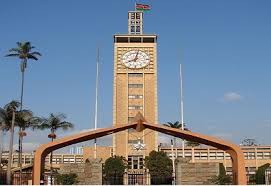
The Infrastructure Fund Board must not operate in isolation. Quarterly plans and expenditures under the Fund should be subjected to approval by Parliament. Without this safeguard, the country risks placing an entire development budget in the hands of a few individuals, effectively bypassing the constitutional budgeting and oversight role of Parliament.
Such an arrangement would dangerously circumnavigate parliamentary control over public finances. Parliament exists precisely to prevent the concentration of power and resources, and to ensure accountability, transparency, and fairness in the use of public funds. To protect the integrity of the budgeting process, parliamentary involvement must be mandatory every quarter.
There is also a real risk of inequality and inequity. Kenya’s long-standing problem of disproportionate distribution of resources cannot be ignored. We have repeatedly demonstrated poor discipline in equitable allocation, often guided by political convenience rather than objective national need lest we replicate these failures.
A clear parallel can be drawn from recent public debates on recruitment and appointments. Claims of “correcting historical injustices” are sometimes made, while simultaneously insisting that the same processes are purely merit-based. These contradictions undermine public confidence.
Such pitfalls must be avoided in the management of the Infrastructure Fund if it is to serve the nation and endure beyond political cycles.
Infrastructure must be built for posterity. That requires clearly defined roles, strong institutions, and firm oversight to safeguard against abuse, exclusion, and waste.
Nothing prevents the country from applying similar structured budgeting to other essential sectors. An Education Fund that guarantees completely free education is achievable. We already have funds for health and housing, despite their weak institutional structures.
Daily and continuous parliamentary scrutiny is therefore critical, especially when we are effectively placing a two-year national development budget into the hands of a small board. Oversight must be firm, consistent, and non-negotiable.
This is also why devolved instruments such as the Constituency Development Fund (CDF) should be strengthened and aligned with national oversight mechanisms.
Kenya’s challenge has never been ambition. It has been discipline, accountability, and respect for institutions. If we are serious about sustainable development, Parliament must remain at the centre of oversight every quarter.