By Anderson Ojwang
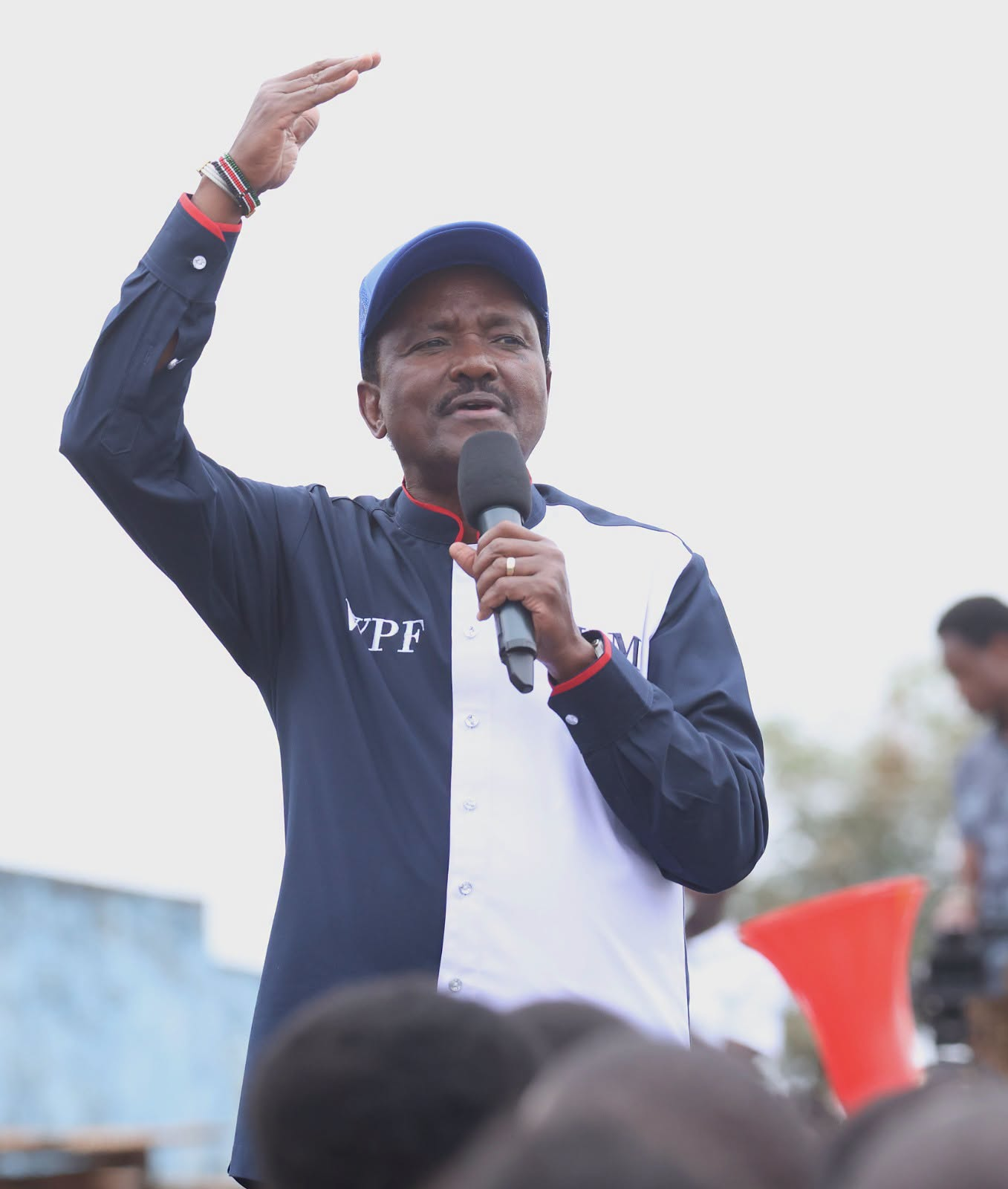
Wiper Leader Kalonzo Musyoka finally finds himself in the yoke to guide and unite the opposition ahead of the 2027 general elections.
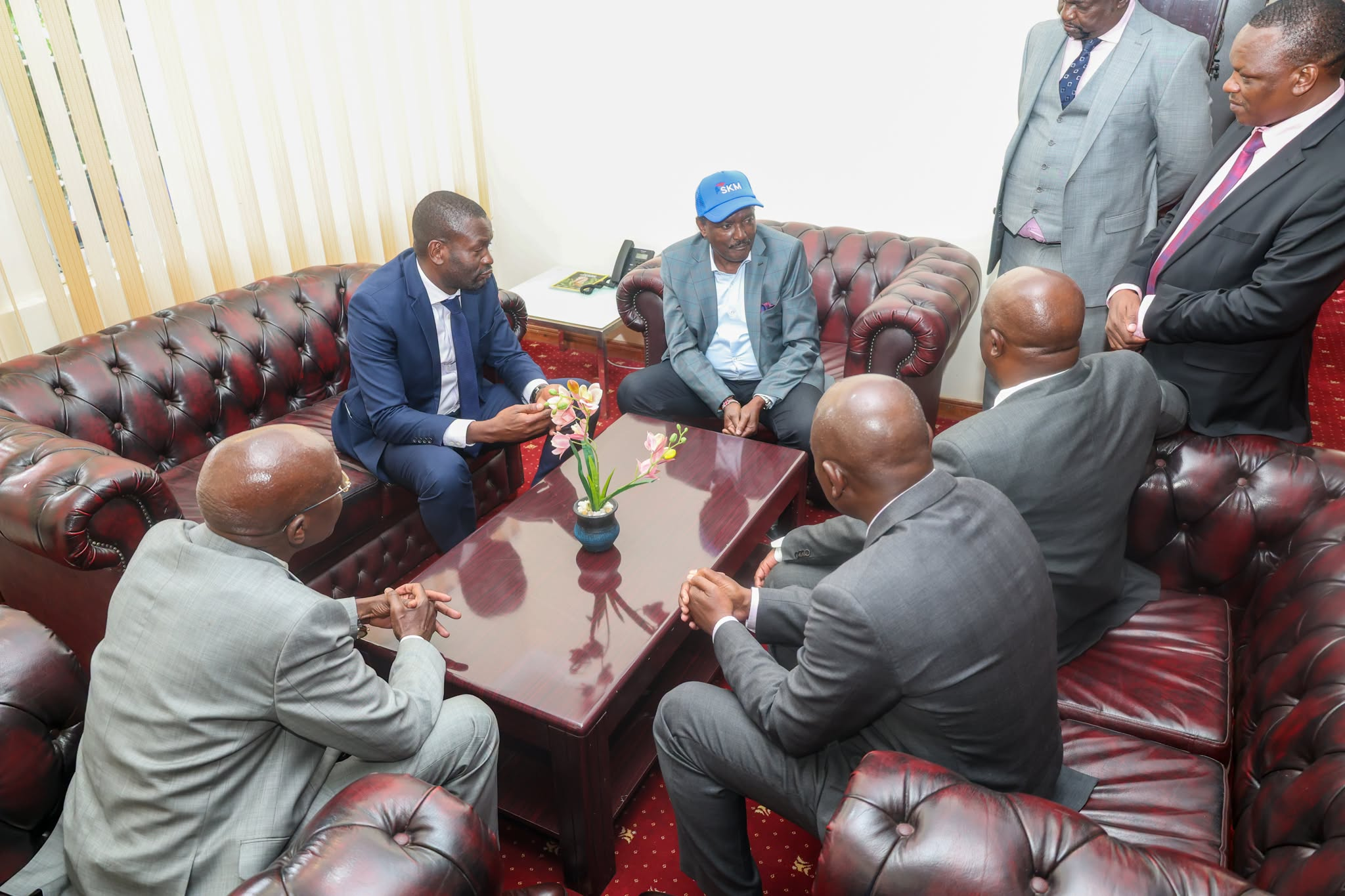
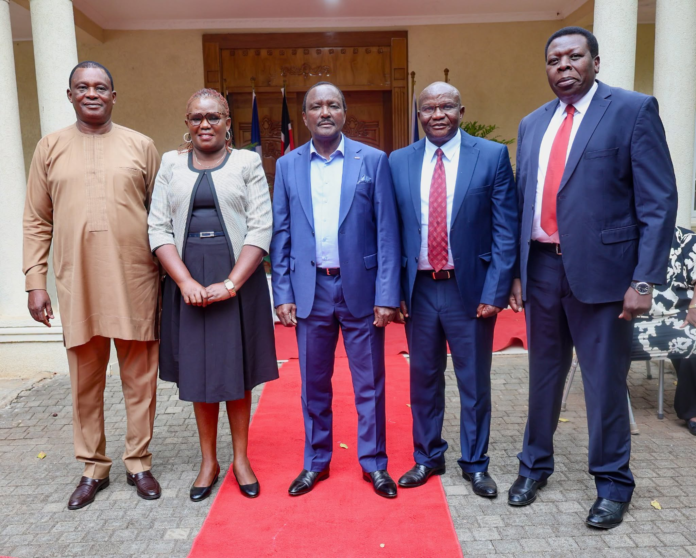
After a cocktail of events that had surrounded his next political journey and move, Kalonzo on Monday chaired the Azimio La Umoja council meeting.
Former President Uhuru Kenyatta, the council chair, usually chairs the meeting, but yesterday’s meeting indicated a silent power shift, with Kalonzo probably moving to take over the mandate and activities of the council.
After attacks and overtures from President William Ruto and his allies for Kalonzo to join the Broad-Based Government fold, Monday’s Azimio La Umoja meeting signalled that the move had come a cropper.
Chaired
Kalonzo chaired the council and the executive, putting him in the lead position role and curtailing any further dalliance with President Ruto.
“Today, I chaired the Joint Council and National Executive Committee meeting of the Azimio La Umoja One Kenya Coalition Party at the SKM Command Centre in Nairobi, where we made far-reaching resolutions that will strengthen our coalition as Kenya enters the election year,” he wrote.
Mandate
Kalonzo was mandated to engage the DCP leader Rigathi Gachagua, Linda Mwananchi of Edwin Sifuna and James Orengo, and other opposition outfits to join the Azimio La Umoja Coalition.
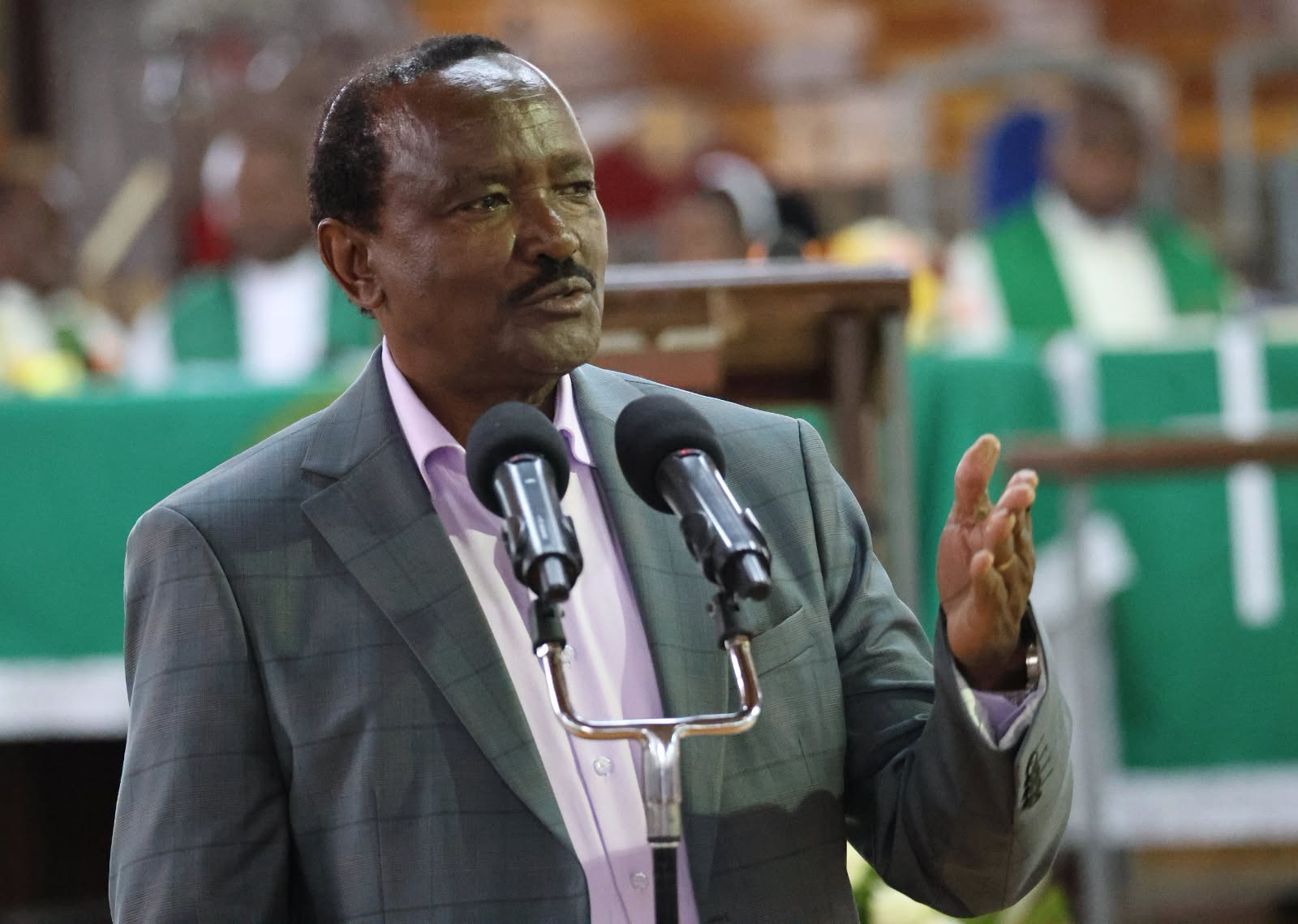
“The Council also mandated me to continue engaging like-minded political formations, including the Democracy for Citizens Party (DCP), the People’s Liberation Party (PLP), the United Green Movement (UGM), and Linda Mwananchi upon its registration, as we continue building a broad national movement,” he wrote.
Former Kitui Governor Charity Ngilu wrote: “The Joint Council and National Executive Committee of the Azimio La Umoja One Kenya Coalition Party held its meeting today chaired by Kalonzo.”
The admission of Dr Fred Matiang’i
Dr Fred Matiang’i is the Jubilee Party Deputy Party Leader and the presidential candidate. Matiang’i is the heir apparent to former President Uhuru.
In the admission of Matiang’i to the council, Uhuru was easing himself out and allowing Matiang’i to take over from him in the Azimio council members.
“We resolved to reorganise and rebrand Azimio, welcomed Dr Fred Matiang’i, Peter Munya and Lenny Kivuti into the Azimio Council, and extended invitations to the Democratic Action Party Kenya (DAP-K) led by Hon. Eugene Wamalwa, Umoja na Maendeleo Party (UMP) led by Governor Kawira Mwangaza, the People’s Democratic Party (PDP) led by Omingo Magara, and the Democratic Party (DP) led by Speaker JB Muturi to join our growing coalition,” he wrote.
Kalonzo said the unity of the opposition was an important ingredient to their victory.
“I was pleased to be joined by leaders from WPF, Jubilee Party, ODM, NARC, KANU, PNU, UMP, PDP, DP, and DAP-K, all united by our shared commitment to deliver a better future for all Kenyans. Our unity is growing stronger, our resolve is unwavering, and together we will build the Kenya our people deserve,” he wrote.
Coalition
Azimio La Umoja is building a bigger and stronger coalition to face off with President Ruto in next year’s election.
The Party of National Unity aptly captured it and wrote: “AZIMIO GROWS STRONGER. We extend our heartfelt congratulations to our Party Leader, Peter Munya, on his appointment as a Member of the Azimio Coalition Council. Congratulations, Waziri, on this well-deserved recognition and appointment.”
Wamalwa welcomed the invitation and a possible return to the outfit.
“On behalf of my Party, DAP-K Party, I received an invitation from the Azimio One Kenya Coalition Council through the Party Leader Kalonzo Musyoka to rejoin the Coalition. I welcomed the invitation and, subject to approval by the relevant organs of my Party, I assured my Colleagues in the Coalition that DAP-K Party will continue championing the unity of the Opposition as a founder of Azimio,” he wrote.
Kawira also welcomed the invitation and expressed readiness to join the outfit.
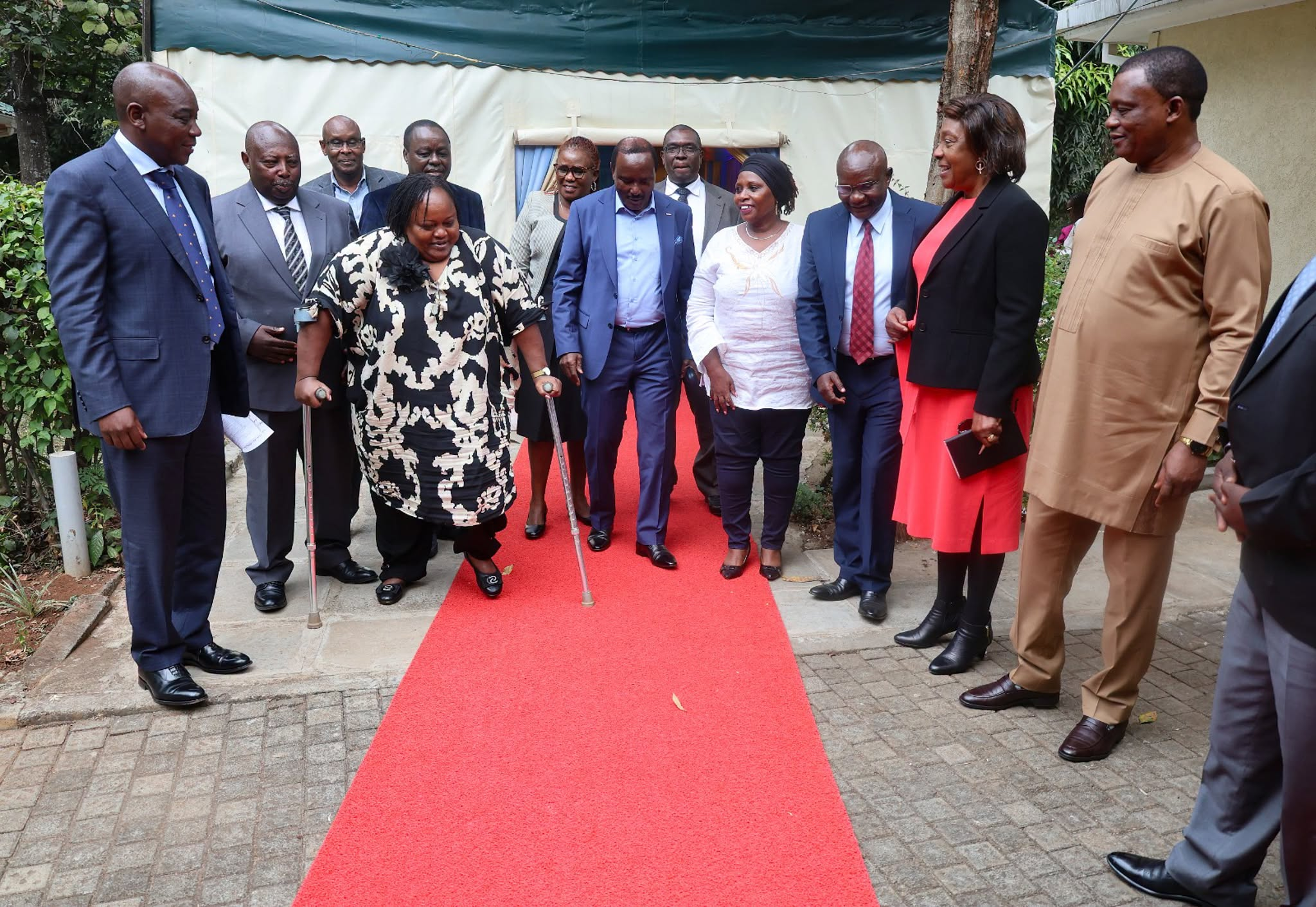
“The Azimio La Umoja–One Kenya Coalition Party Council has formally resolved to invite the Umoja na Maendeleo Party (UMP) to join the coalition. As Party Leader of UMP, I attended today’s Coalition Council meeting and confirmed that, subject to the required UMP internal consultations and party processes, the party will proceed towards joining the coalition. UMP welcomes this invitation as an important step towards building a broader, stronger and people-centred political movement founded on democracy, constitutionalism, accountable leadership and inclusive development. The party will now undertake the necessary consultations through its authorised organs before communicating its final decision and completing the formal process. The journey towards a united, progressive and prosperous Kenya continues,” she wrote.
Kindiki fights on
Over the weekend, Deputy President Prof Abraham Kithure Kindiki caused more storm after he declared that he will not leave his post for Kalonzo.
He said Kalonzo had held senior government positions in the government for over 40 years but failed to even tarmac a road to his own home.
“You have for over 40 years held senior positions like this one of fireman. You have not even tarmacked a road to your home. They want to cheat and lie to us that that is the person who will help Kenya,” he said.
Kindiki said he will not budge and give up his position as Deputy President for Kalonzo.
“After 40 years you have not solved the problem, and we are being told fireman should leave so that you help the people. No way. Is there tarmac in Seikuru? No way, my friend,” he said.
Attack
Last week, Kalonzo revealed that he had been under attack from President Ruto and his allies to lure him to their fold, claiming that he was about to cross over.
Kalonzo admitted at the press conference that he was under a terrible attack by President Ruto and his teams, claiming that he was joining the government.
“I am thrilled because you have also come to Linda Kalonzo. Because I am under attack, a terrible attack that I met William Ruto,” he said.
Kalonzo said there were claims that last Thursday evening he was supposed to join President Ruto at the 7.00 pm presser on the conversation on the future of Kenya.
“There were claims that yesterday and that this morning I should be joining him for the 7.00 pm presser. You have come to Linda my name, and through God I have Linda my name, constitution and our pride. I cannot make that terrible mistake,” he said.
Emissaries
Kalonzo admitted and said President Ruto has been sending emissaries to various opposition leaders to join him.
“They are sending all kinds of emissaries. We cannot fall into the trap. We must take Ruto home and liberate the country,” he said.
No to Ruto
Kalonzo has waved a red card to President Ruto, saying he cannot join the President.
“Ruto and his bloggers, stop dreaming. I want to assure our supporters that if I am the last man to drive Ruto out of State House, I will. I want to tell Mr William Ruto, please stop imagining that one Stephen Kalonzo Musyoka can ever join you. We will meet at the ballot. We will have that conversation at the ballot next year,” he said.