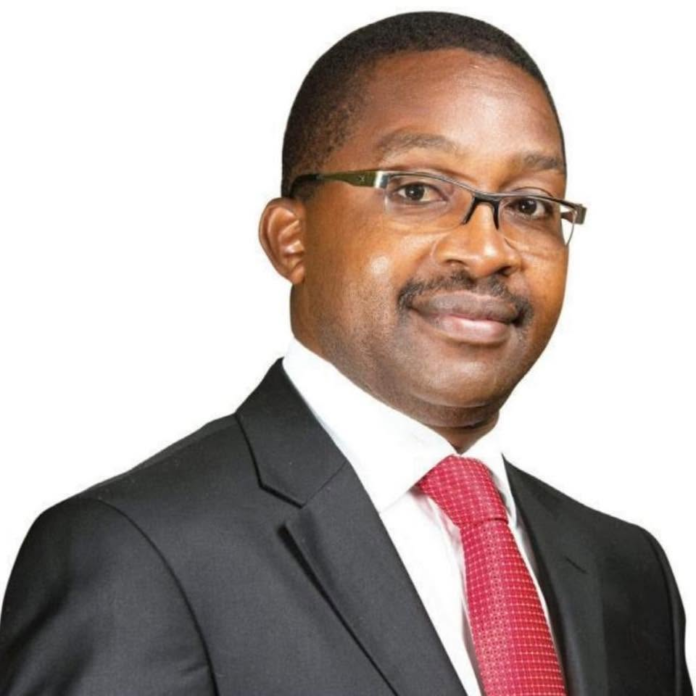
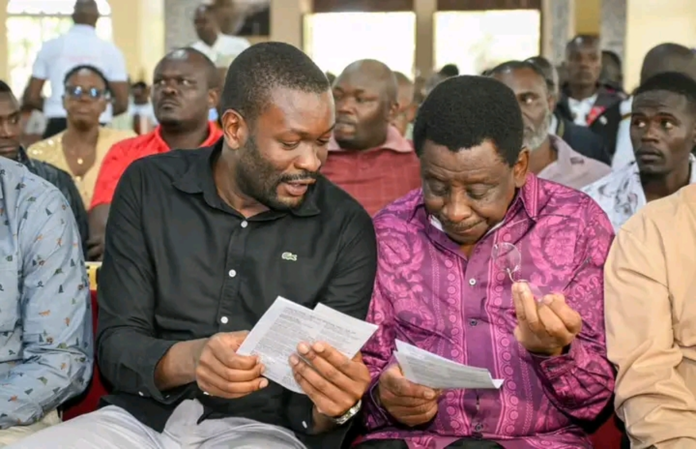
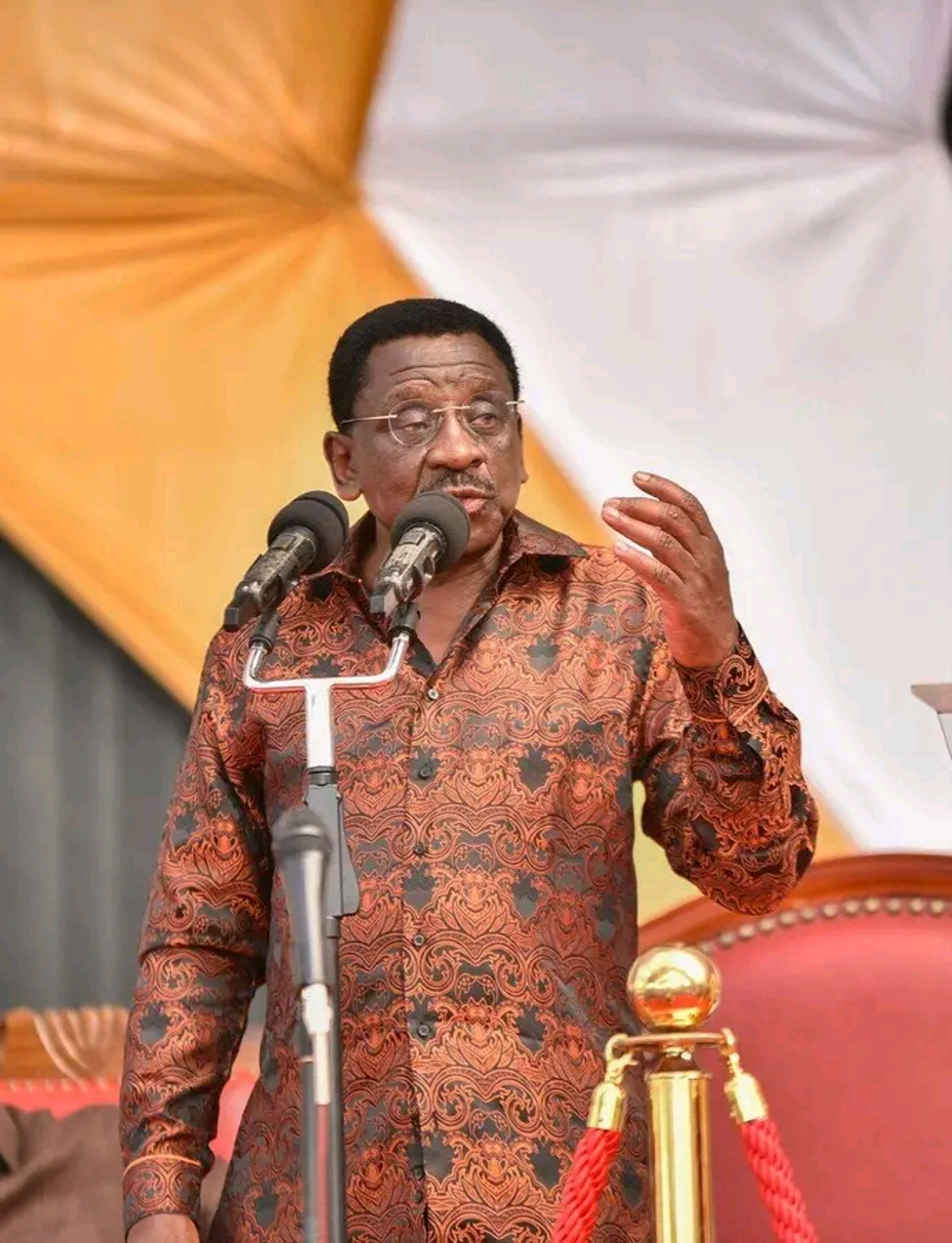
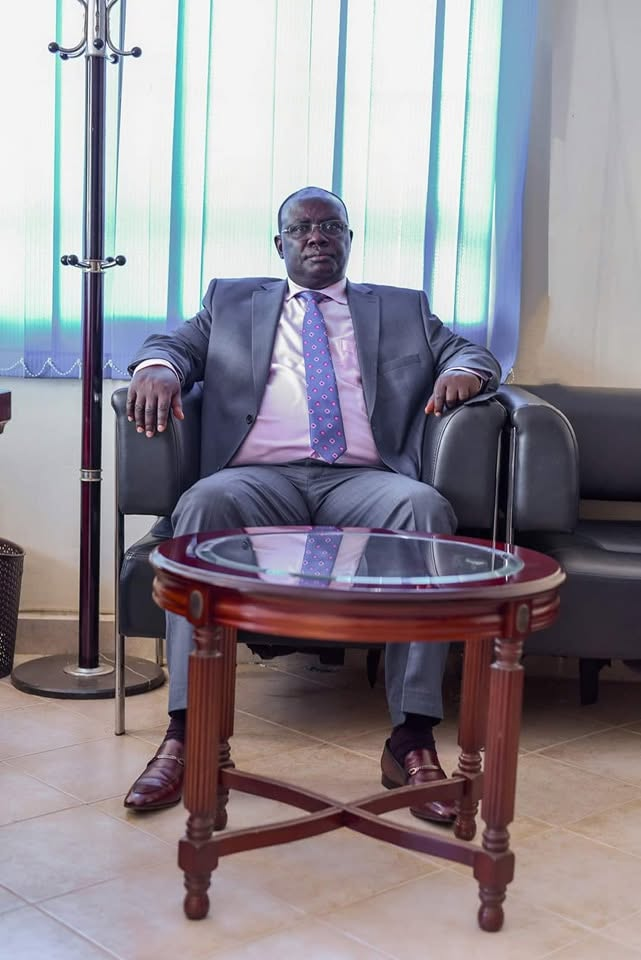
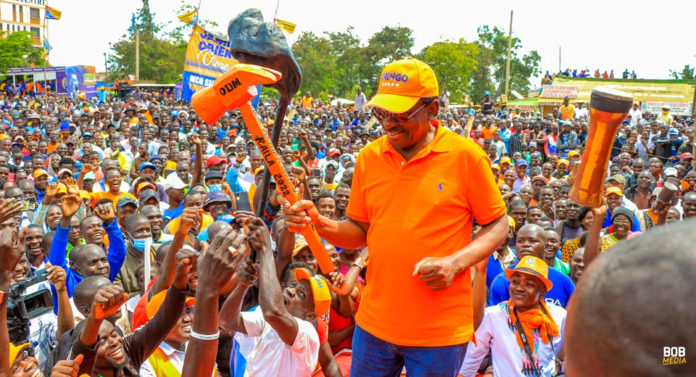
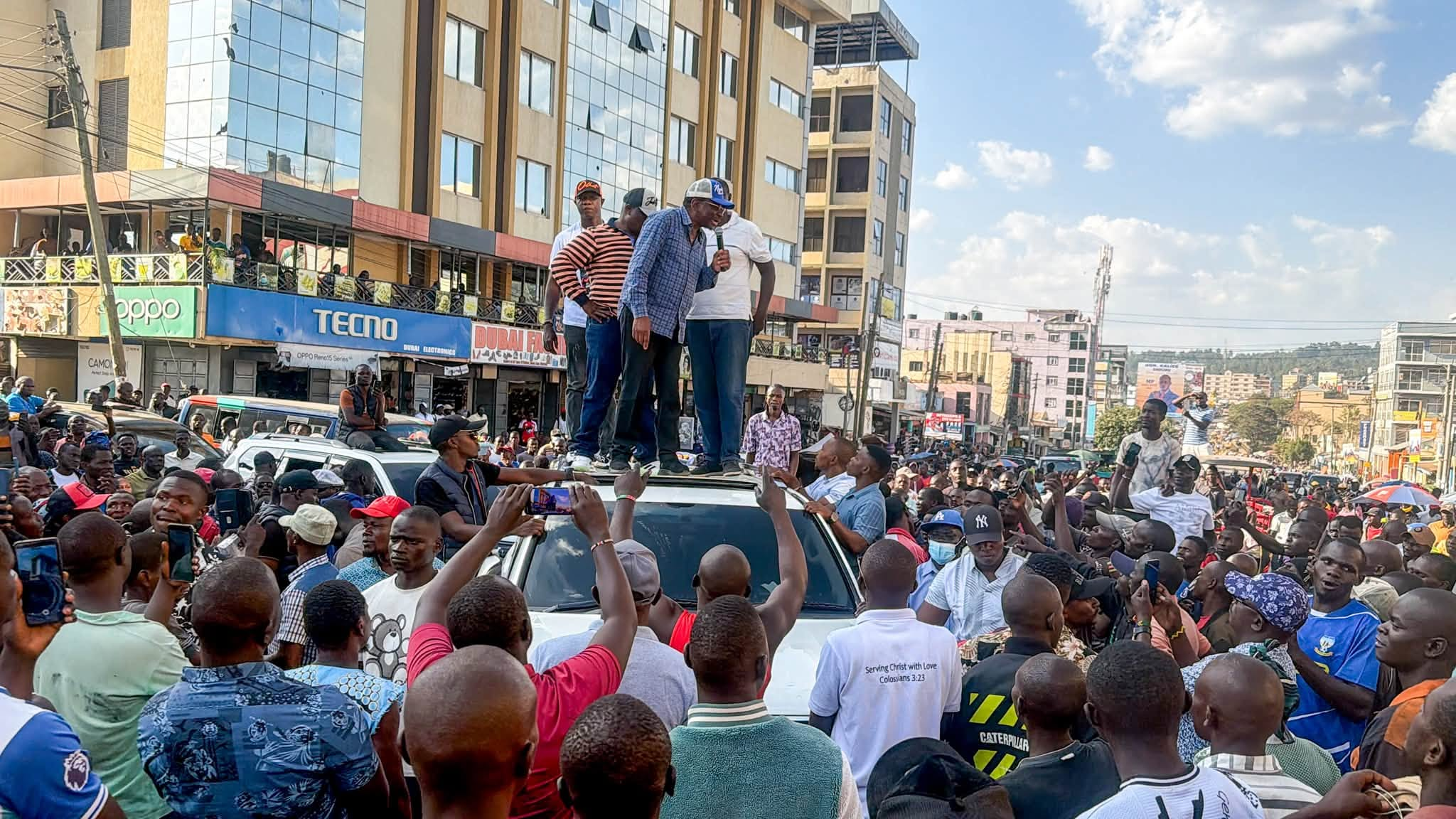
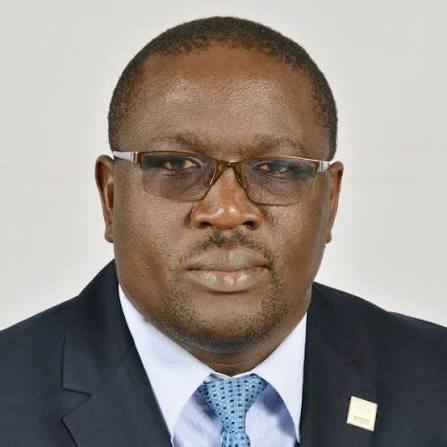
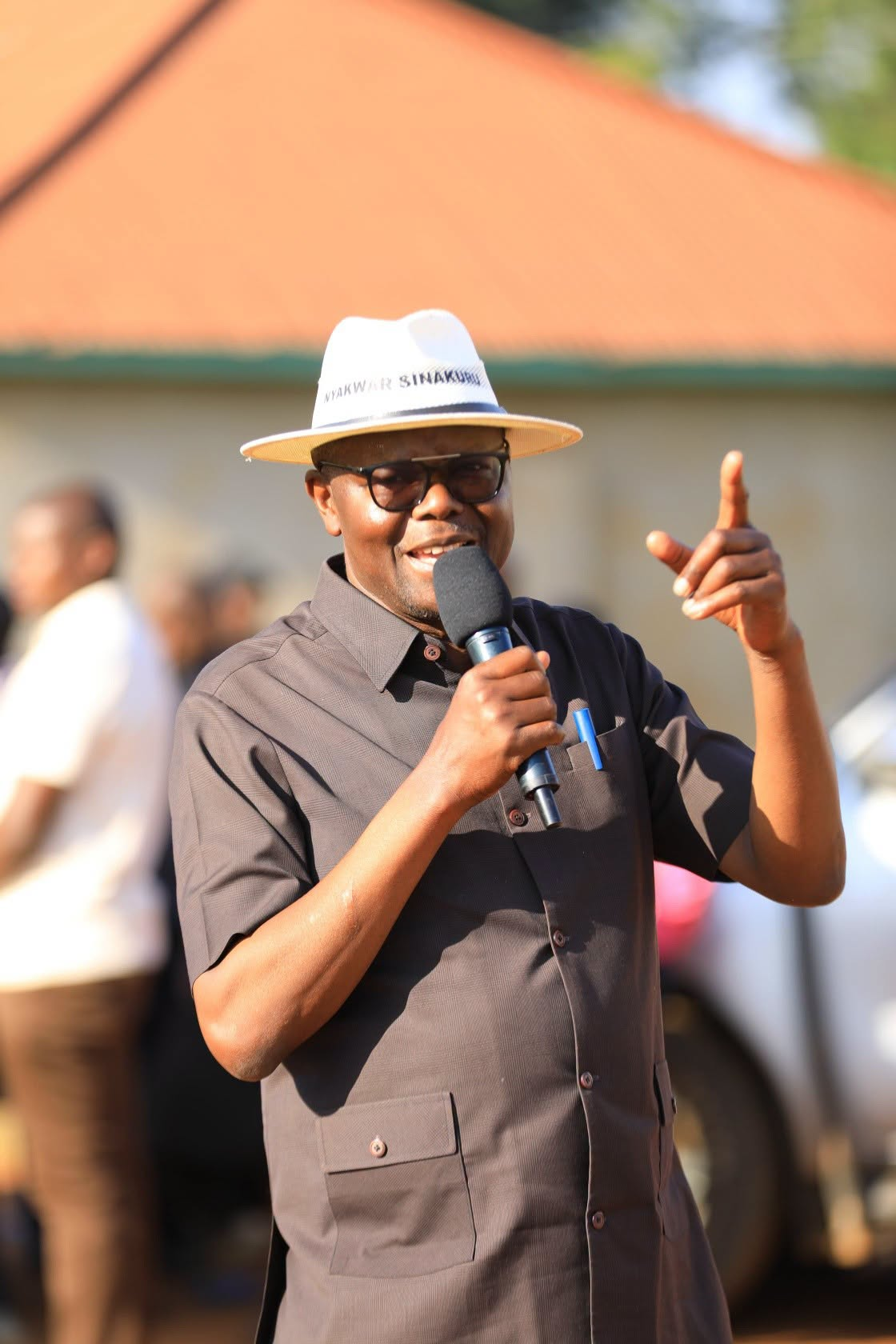
Former Murang’a Governor Mwangi wa Iria and eight others have been charged afresh over the alleged irregular award of publicity tenders by the Murang’a County Government.
The accused appeared before the Milimani Anti-Corruption Court on Tuesday, where they took a fresh plea after the prosecution amended the charge sheet in the KSh351 million tender case.
The charges relate to a media-buying contract worth KSh351 million awarded to Top Image Consultants Limited during the 2014/2015 and 2015/2016 financial years. The prosecution alleges that the tender resulted in the unlawful acquisition of public funds.
Those charged alongside Wa Iria are Jane Wanjiru Mbuthia, David Maina Njeri and David Maina Kiama, directors of Top Image Consultants Limited; Jane Waigwe Kimani and Solomon Mutura Kimani, directors of Value View Limited; and Peter Muturi Karanja, who served as the former governor’s personal assistant.
The two companies, Top Image Consultants Limited and Value View Limited, are also accused in the case.
Defence Challenges Amended Charges
The fresh plea followed a defence application challenging changes made to the charge sheet by the Director of Public Prosecutions (DPP).
The defence argued that the amended charge sheet had been introduced without the necessary leave of the court. The prosecution, however, maintained that it had obtained permission to make the amendments.
The court ruled that the prosecution had obtained leave to amend the charges and admitted the revised charge sheet.
Wa Iria and the other accused were subsequently required to take a fresh plea. They all denied the charges.
They face allegations including conspiracy to commit a corruption offence, unlawful acquisition of public property, conflict of interest, money laundering and dealing with suspected property.
Case Dates Back to Wa Iria’s Governorship
The case stems from investigations into publicity and media-buying contracts awarded during Wa Iria’s tenure as Murang’a governor between 2013 and 2022.
The Ethics and Anti-Corruption Commission (EACC) began investigating allegations surrounding contracts awarded to Top Image Consultants Limited, with investigators questioning how the county government procured and paid for media services.
The matter gained prominence in 2022 when the EACC pursued allegations involving more than KSh500 million in payments linked to the contracts. Investigators alleged that companies connected to individuals close to the former governor benefited from the transactions.
In April 2024, Wa Iria was first arraigned over corruption-related allegations arising from the contracts. He denied the charges and was released on bond as the case proceeded.
The prosecution has previously alleged that Wa Iria benefited from approximately KSh31.8 million linked to Top Image Consultants Limited. The broader allegations have included abuse of office, conspiracy to commit corruption, unlawful acquisition of public property and money laundering.
The former governor has consistently denied wrongdoing.
The court directed that the matter be mentioned virtually on September 17, 2026, at 9:00 a.m.
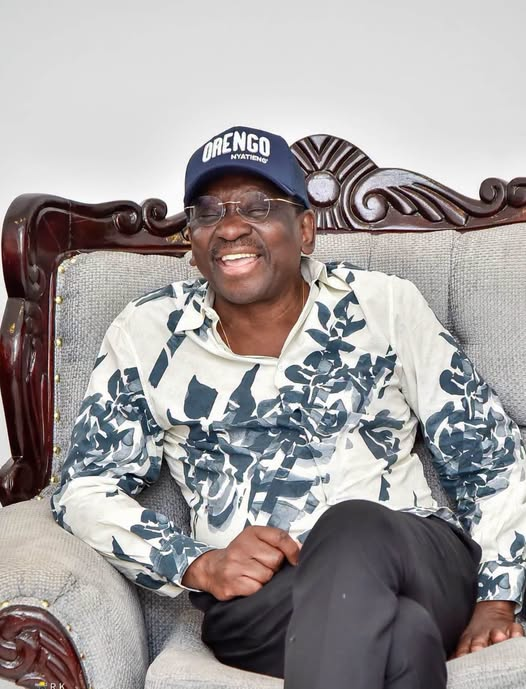
Siaya Governor James Orengo has defended his decision to seek the Linda Mwananchi presidential ticket, dismissing claims that his ambition was aimed at undermining Nairobi Senator Edwin Sifuna.
Orengo confirmed that he is in the race for the coalition’s presidential nomination alongside Sifuna, who has already declared his interest in the 2027 presidency.
The veteran politician said Linda Mwananchi must allow internal competition before settling on a single presidential candidate, arguing that seeking the ticket is not an act of sabotage.
“I am going to run for president, which is not a crime,” Orengo said in an interview with Citizen TV.
He rejected suggestions that his entry into the contest was intended to derail Sifuna’s ambitions, insisting that he remains committed to the opposition outfit eventually presenting one candidate.
“I am not spoiling it, because I am committed to having one presidential candidate,” he said, adding that those opposed to internal competition were not democrats.
Veteran politician with previous presidential experience
Orengo’s entry into the race carries significant political weight, given his long career in Kenyan politics and his previous attempt to capture the presidency.
He first entered Parliament in 1980 through a by-election in Ugenya Constituency, becoming the youngest MP in the country at the time. He later returned to Parliament in the multiparty era and has held several senior political positions, including serving as Minister for Lands and Settlement.
In 2002, Orengo made his first presidential bid as the Social Democratic Party candidate, placing him among the few current political leaders with direct experience of running for Kenya’s top office.
His political career has largely been rooted in opposition politics, spanning the multiparty struggle of the 1990s and subsequent opposition coalitions. He has also served as Siaya Senator before becoming governor in 2022.
The experience is now likely to form part of his argument for why he should be considered for the Linda Mwananchi ticket, as he seeks to challenge a younger Sifuna for the nomination.
Disagreement over flagbearer
Orengo also disclosed that the question of Linda Mwananchi’s presidential candidate had already caused friction among the coalition’s principals during a retreat in Limuru, Kiambu County.
He said the issue was introduced to the agenda, but he opposed making a decision at that stage, arguing that more consultations were necessary.
“The issue of a presidential candidate was brought as an agenda, but I said it was inappropriate at that time and that it needed more consultation. Some people were unhappy about that,” he said.
The disagreement has since become more pronounced as Sifuna continues to build momentum for his presidential bid.
During Linda Mwananchi’s Meru tour on Sunday, August 30, Sifuna received public backing from Embakasi East MP Babu Owino, while Kakamega Senator Boni Khalwale called on Orengo to support Sifuna’s bid and allow younger leaders to take over the political mantle.
The Meru tour was also disrupted by teargas as the movement continued its grassroots mobilisation ahead of the 2027 General Election.
Orengo’s declaration introduces a new dimension to the coalition’s search for a presidential candidate. While Sifuna has been building support around his bid, Orengo is relying on decades of political experience and his own history of seeking the presidency to make a case for the ticket.
The central question now is whether Linda Mwananchi can accommodate the competing ambitions and still emerge with a united presidential candidate ahead of the 2027 election.
Former banker Mr Nicholas Koriko has joined the race for the Homa Bay gubernatorial seat.
Koriko, the former Finance County Executive Committee Member for 10 years in the former Governor Cyprian Awiti’s administration, declared his interest in the seat, saying he was the most suitable candidate.
“I have what it takes to lead Homa Bay to the next destination and tap into the vast opportunities in the county,” he said.
Koriko said his campaign apparatus had already been unleashed to popularise his candidature in the county and would soon officially launch his campaign.
“I have been having sessions with my team and delegation, and we have developed a road map to winning the election,” he said.
Koriko was one of the aspirants for the 2022 gubernatorial election in Homa Bay, whom the former Prime Minister, the late Raila Odinga, prevailed upon to allow Governor Gladys Wanga to fly the ODM flag.
Wanga, in a forced marriage, was paired with former Kasipul MP Oyugi Magwanga, and the duo rode to victory, defeating former Nairobi Governor Dr Evans Kidero.
Magwanga recently resigned from the deputy governor post, citing irreconcilable differences with Wanga.
Magwanga termed Wanga an ungrateful person and has already declared his intent to face off with Wanga at the ballot.
The former deputy governor demanded that Wanga should resign or be removed from the ODM national chairperson position to allow free and fair nomination.
‘I will be at the ballot and I am optimistic I will win the race. Wanga has failed to deliver on her manifesto and has been engaged in political rhetoric instead of development,” he said.
Koriko hails from Karachuonyo Constituency, while Magwanga is from Kasipul, and the duo come from greater Rachuonyo, with a vast chest of over 45 per cent of the total county vote.
Koriko will be relying on the political tentacles he developed during his tenure at the county and hopes to win the seat.
“I am optimistic that in 2027 we will give Homa Bay County a new leadership which is accountable and transparent,” he said.
There is no doubt that the Luos are almost certainly divided down the middle and need to be persuaded to sing a single tune under one leader, either permanently or in transition.
The Luo elite constituency appears divided into two major camps around James Orengo and Oburu Odinga, while Babu Owino retains a strong connection with the younger generation. There is also no doubt that Babu’s constituency among the Luos will continue to grow depending on how well he nurtures and fathers it.
The Luos are desperate for unity, and that need has become even more pronounced following the demise of Raila Odinga. The community had become accustomed to taking political direction from one centre. Today, what appears to be three centres of influence is creating confusion within a community that has historically seen itself as the conscience of the nation.
That role matters. Whoever thinks it is a bad thing does not understand Luo culture.
The Luo psyche revolves around avoiding embarrassment, “Wich kuot,” at almost all costs. That is also what inspires rebellion. When a Luo believes that something looks bad, “nenore marach,” the reaction can be strong and uncompromising.
This is why some Luos are asking themselves when the community of pride, the community of “Nyadhi,” started normalising support for what they consider bad vices.
A substantial number will rebel if they conclude that the direction being taken does not represent their conscience. They will tell you: better half a loaf than a full one obtained wrongly; better no loaf than a stolen one; and certainly better water than feasting on someone else’s blood.
That is the Luo conscience.
That is the pride of a community that, at its best, values decency and principle.
So, Who Leads Them and How?
Babu Owino and James Orengo must both read from the same script.
Orengo has chosen to play national politics, while Babu has chosen to remain firmly positioned at the national level through Nairobi County. These two should move together like twins, each strengthening the other and, where necessary, one inheriting the political space of the other.
For Oburu Odinga, the situation is different. He appears to have given up much of his own political positioning and accepted a role in which he can be led while helping to lead the Luos.
That faction has persuaded many through a display of political might.
But might is not necessarily right.
The Luo community is demanding either a central political outfit, which may now be almost impossible, or an alternative arrangement that fits together with Babu and Orengo.
That may ultimately be the compromise that gives the community a sense of direction.
The reality is that Luos are likely to remain both Wantam and Tutam as time goes by, with the proportion on either side continuing to work itself out.
But one thing is increasingly certain: the Luo community needs unity more than another political battle for supremacy.
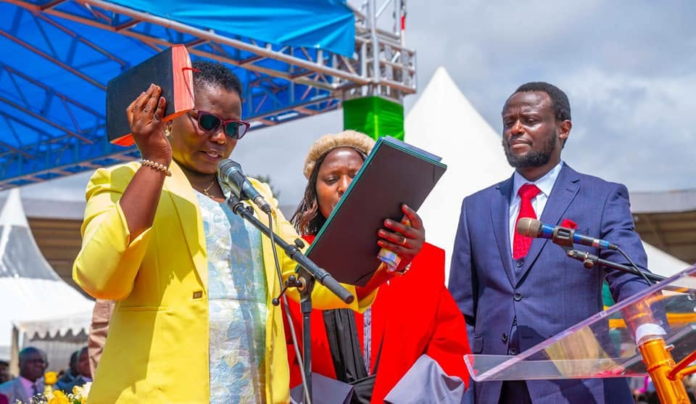
Governor Kawira Mwangaza is rewriting her story. From a pariah and jilted governor to the iron lady of Mt Kenya politics.
When most had written her off politically and thought that her impeachment would dim her light, Kawira is now back in the limelight and charting a new political dispensation not only in Mt Kenya East but nationally.
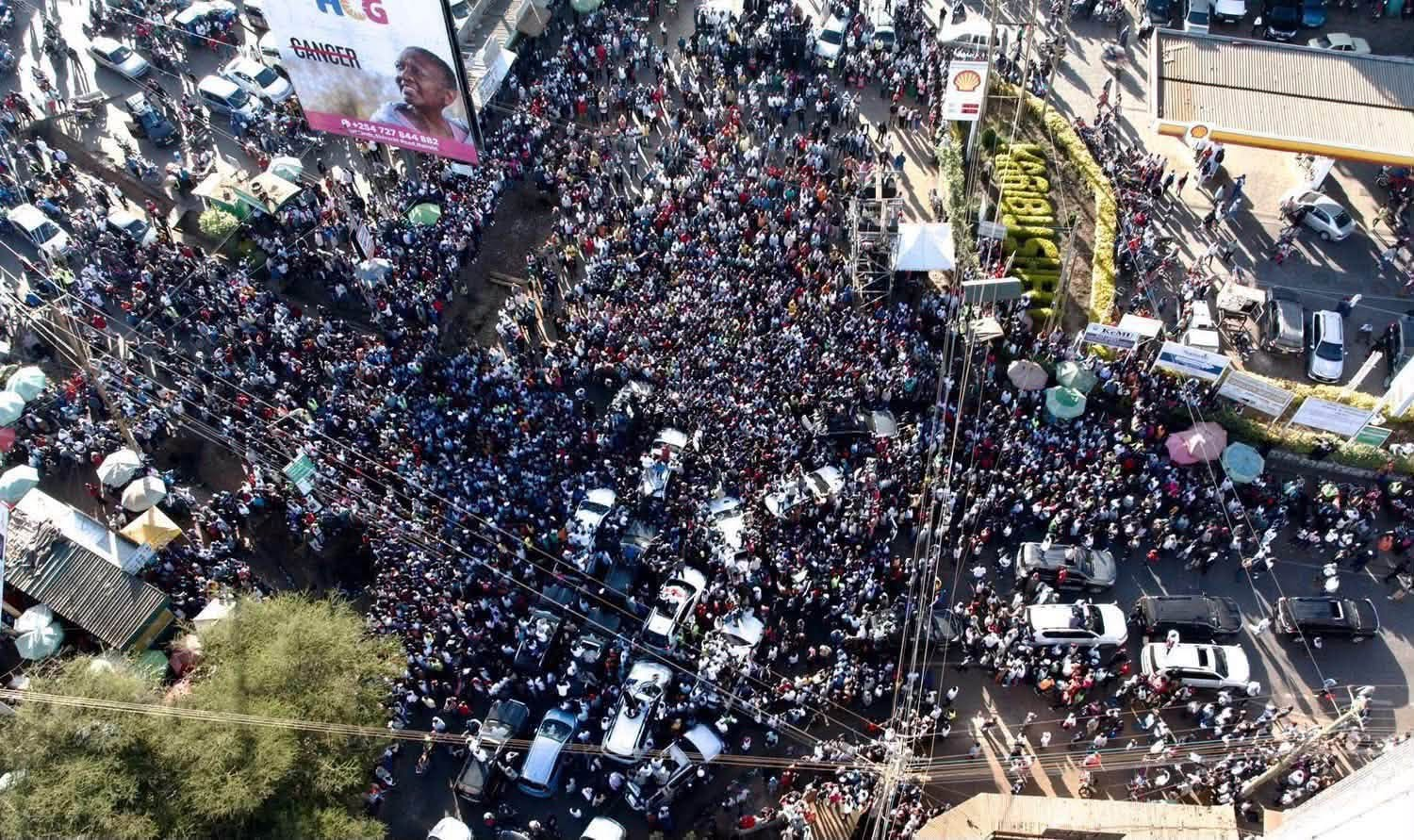
Kawira single-handedly delivered an unforgettable Linda Mwananchi Team tour in Meru and placed herself at the centre of the political conversation from Meru to the national stage.
The former Governor organised and hosted an epic show, proving that she remains the focal political pillar in the region and not a pushover in the male-dominated terrain.
The successful rally further lent credence to the fact that Mwangaza (light), which shone and dimmed the light of male dominance in Meru County politics, is back with a bang. The stone that the United Democratic Alliance (UDA) rejected at the altar of impeachment has come back to haunt. When the hunter becomes the hunted.
She captured it in her social media post: “When Meru is happy Mama is happy, when Mama is happy Meru is happy.
Leadership is not about titles; it is about courage, resilience, and standing firm for what you believe is right,”
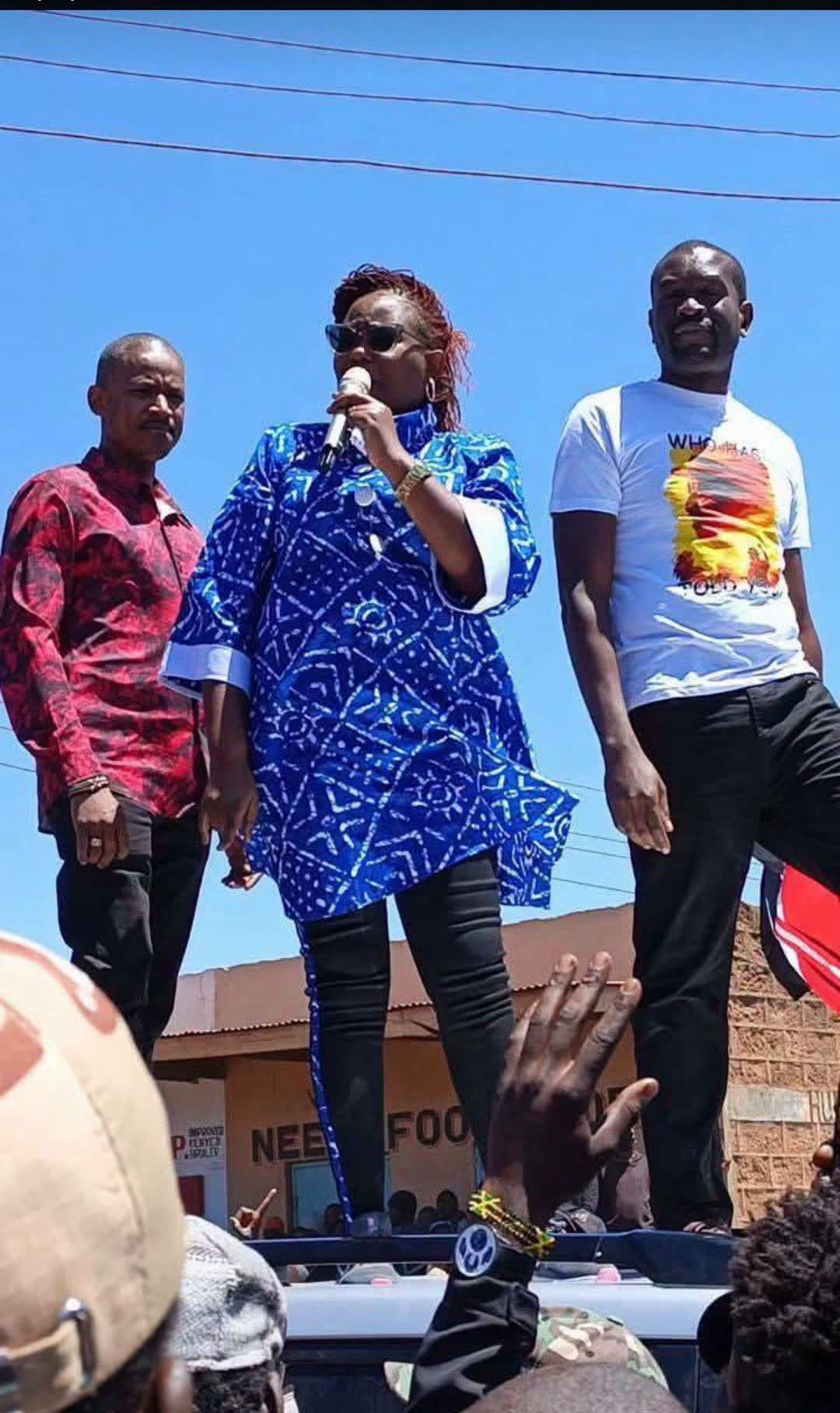
Kawira did not hide her happiness after hosting the Linda Mwananchi team of Nairobi Senator Edwin Sifuna and Embakasi East MP Babu Owino and went ahead to thank the people of Meru County.
“Good morning my precious people. Aki am so happy. Yaani si mumenifanyia poa. Wah! Asanteni sana watu wangu wa Meru. Organic love. Kwa mioyo ndani!” she wrote.
Babu recognised Kawira’s contribution and confirmed her role in the united opposition table of negotiation.
“We want to take Sifuna forward to State House. He is our brother. In the opposition.
I want us to unite. Here in Mt Kenya we take our comrade Kawira Mwangaza, we bring in Rigathi Gachagua, Stephen Kalonzo, Fred Matiang’i, Orengo and Babu so that we become one thing,” he said.
Grassroots mobiliser
The successful Linda Mwananchi rally in Meru exposed and brought out Kawira’s strength, a grassroots mobiliser par excellence.
She understands the basic ingredient that a majority of politicians ignore, that grassroots mobilisation is about courage, presence and connecting with ordinary people.
She showed up, stood with the people and brought an energy admired by her opponents and allies alike. She stepped into the arena as a bold woman, just like Ngilu and Karua during their heyday.
History maker
Kawira was the first woman Governor from Meru County, and, elected as an independent candidate, she braved the wave of UDA and other political parties and bigwigs to ride into victory.
She made history as the first woman Governor to survive and later fall to the hammer of impeachment.
But the indefatigable Kawira, the stone UDA rejected, is back and is causing political havoc for a revenge moment.
From forming her political party, Umoja na Maendeleo Party, which is gaining huge traction in the region, with several aspirants joining in droves, she hosted the new kids on the block, Linda Mwananchi, in a successful rally and her profile skyrocketed.
Kawira recently wrote on her social media platforms: “Kasongo sacrificed Meru County in favour of a Cartel of few thieves. They are now looting Meru left, right and centre. No roads, no bursaries, no medicine in our hospitals, no livestock vaccines. To redeem Kenya William Ruto Must Go! Mambo ni MWECHECHE!”
The Grace
From the Women Representative position, Kawira, in the 2022 General Election, defeated the political heavyweights of Meru politics: the incumbent, Kiraitu Murungi, who came third with 110,814 votes on the Devolution Empowerment Party, and second was Mithika Linturi, who garnered 186,359 votes and was subsequently appointed the Cabinet Secretary for Agriculture. He was later sacked over the fertiliser scandal in the ministry.
Kawira was declared the winner with 209,148 votes to write her story in the annals of the Meru community, as the first woman Governor elected, survived impeachment several times before she was guillotined.
During the campaigns, Kiraitu perceived Kawira as a non-starter who had no agenda and ability to lead the county. In reality, she humbled and humiliated Kiraitu at the ballot, winning in six out of nine sub-counties.
The sweet and deserving humiliation for Kiraitu was on his own home turf, where she garnered 31,921 votes against Murungi’s 22,359 votes.
In the gubernatorial election, it was billed as the battle of the titans, Kiraitu against Linturi, and against all odds, Kawira was tipped to come third. She changed the tides and became the pulse of Meru politics.
Before the 2010 Constitution and the dawn of the seat of Woman Representative, Meru County had its last woman elected Member of Parliament in 1975, when Ms Annrita Karimi won the South Imenti parliamentary seat.
But she lost her parliamentary seat in 1978 after she was charged in court for misuse of school funds in her previous job as principal and jailed for 18 months.
Mwangaza made her first stab at politics in 2012 when she vied for the Buuri MP seat but lost to Boniface Gatobu and then vied for the Woman Representative seat in 2017 as an independent, trouncing Ms Florence Kajuju.
The plot
Kawira became a victim of male chauvinism and subsequently was caught in a web of counter-plots against her.
Linturi recently claimed that he helped raise KSh100 million to influence the Senate during the impeachment of former Meru Governor Kawira Mwangaza.
Speaking in a night interview on a local TV station on Sunday, March 1, 2026, Linturi said he mobilised the money from friends, Members of Parliament and other allies. He said they wanted to respond to what they believed was financial influence within Parliament.
“I called friends, my friends, MPs, all of them, and raised money: KSh100 million,” Linturi said.
Now Governor Kawira, in the company of her musician husband, is singing into the hearts of the electorate. It is just a matter of time before she pulls another card on UDA and her political foes.
Siaya Governor James Orengo is a man in his own political dreamland. Utopian. Orengo could be relapsing into the 2002 politics and could be going against the emerging grain once again.
Viewed as the mentor of the emerging Linda Mwananchi Young Turks, namely Immediate Former Orange Democratic Movement (ODM) Secretary-General Edwin Sifuna, Embakasi East MP Babu Owino, Suba South MP Caroli Omondi, Vihiga Senator Goeffrey Oosts, among others, Orengo is taking a different political path.
Jaramogi Oginga Odinga Young Turks
In the 1990s, the late Jaramogi Oginga Odinga had a team of young politicians under his umbrella; among them were Orengo, the late Wamalwa Kijana, Kiraitu Murungi, the late Raila Odinga, Prof. Anyang Nyong’o, Gitubu Imanyara, Dr Mukhisa Kituyi and the late George Kapten, among others.
The Young Turks were central to Jaramogi Oginga’s political dispensation and formed the bulk of his team after the split of the original Ford into Ford Kenya and Ford Asili of Oginga and the late Kenneth Matiba, respectively.
Currently, Orengo remains politically active as the surviving member of Jaramogi’s Young Turks, while Nyong’o will be completing his tenure as Kisumu Governor.
Kiraitu lost the gubernatorial seat in the 2022 General Election and has become one of the main President William Ruto allies in Mt Kenya.
The ODM fallout
After the death of Raila, the immediate former party leader of ODM, and the installation of Dr Oburu Oginga as the party leader, the leadership decided to engage in a pre-election coalition pact with the United Democratic Alliance (UDA) to support Ruto’s re-election.
Sifuna, Orengo, Babu, among others, were opposed to the move and consequently Sifuna and Osotsi were sacked from their respective positions in the party.
Subsequently, they founded the Linda Mwananchi Movement, which has gained traction nationally and currently has a huge following.
The de facto party leader
During the fallout, Orengo declared himself the “people’s party leader” within the ODM and accused the current party leadership of soiling the legacy of the late Raila Odinga.
During the rally in Nakuru, Orengo said, “We know the Secretary-General of ODM is Edwin Sifuna, and now Orengo is the acting party leader of ODM.”
But downplayed Orengo’s move, saying Catholic Archbishop Emeritus Zacchaeus Okoth was currently mediating between him and the Governor.
Oburu then dismissed claims of a serious fallout within the party, maintaining that he does not hold any personal grudge against the Siaya Governor.
“I do not have any personal issue with Orengo at the party. I was elected in a straight process,” he stated.
Dr Oburu also told a recent Kisumu rally that he was ready to quit as the ODM party leader to avoid dividing the Luo community, to the chagrin and dismay of his allies.
“I don’t like things people fight over that divide the community. If it’s me who is bringing division in the community, I am ready to quit. If it’s me causing division, then I am ready to quit,” he said then.
Orengo for president
Orengo, at a funeral in Homa Bay, declared his presidential bid in the Linda Mwananchi outfit.
Last Friday, at a funeral in Homa Bay, Orengo declared his presidential bid and wondered why the Luo community must support President William Ruto.
“Ruto was sworn in by a Constitution that he did not even support. You want to tell me there is no better Luo than Ruto that Kajwang can support? So Senator Moses Kajwang, from today I am here. You are my friend and son. From today, know I am the presidential candidate. A serious presidential candidate. Do I leave?” he said.
He said the Luo community has been central in Kenya’s politics and that place must not be relegated to oblivion.
“The Luo nation has long been the beating heart of Kenya’s democratic struggle, paying the ultimate price in the pursuit of justice and good governance.
Leaders like Jaramogi Oginga Odinga, Tom Mboya, Argwings Kodhek, and the Rt. Hon. Raila Odinga consistently placed the nation above themselves.
Following in their footsteps, I offer my unyielding commitment to this legacy, refusing compromise and striving to fulfil the vision of our forefathers as we rise to the top,” he said.
But the declaration caused panic, anxiety and confusion in Linda Mwananchi after Sifuna had emerged as the presidential candidate for the outfit.
The declaration provided a vent to the public to understand a possible power struggle in the outfit even before it is registered.
A repeat of the 1992 Ford fallout
Orengo’s declaration was a reminder of a possible 1992 fallout reoccurring after opposition leaders the late Kenneth Matiba and Odinga failed to agree on the joint presidential candidate. The two opposition leaders lost to then President the late Daniel Arap Moi and died without becoming president.
Response to Orengo
Babu declared his support for Sifuna’s presidency and warned against those causing confusion in the outfit.
‘‘Those who have been sent to bring chaos in Linda Mwananchi, you must stop. We will not be threatened in Linda Mwananchi. You came and found Linda Mwananchi progressing. Linda Mwananchi will continue. We don’t want a divided attention.
We want to take Sifuna forward to State House. He is our brother. In the opposition, I want us to unite. Here in Mt Kenya, we take our comrade Kawira Mwangaza, we bring in Rigathi Gachagua, Stephen Kalonzo, Fred Matiang’i, Orengo and Babu so that we become one thing,” he said.
Kakamega Senator Bonny Khalwale appealed to Orengo to drop his presidential bid and instead support Sifuna.
**“Today, I am using this opportunity to appeal to Kiraitu Murungi, Peter Munya and Orengo. These are the men I have walked with politically, while you were still in school.
I am appealing to Orengo to undertake one final task: transfer power from our generation to the younger generation and give Edwin Sifuna the opportunity to become President of Kenya,”** Khalwale said.
Chief negotiator
Orengo is primed for the role of chief negotiator, but his insatiable desire for power could be clouding his focus and may destine him to oblivion.
The mixed signals could be counterproductive both nationally and at the county level, Siaya County, should he decide to defend his seat.
The demographic realities of Migori County increasingly favour Linda Mwananchi-centric candidates, with Peter Masara emerging as one of the politicians who could benefit significantly from the movement’s growing influence.
Migori has close to 500,000 voters, with approximately 300,000 coming from the Luo and Suba communities and about 200,000 from other communities. Of the latter, roughly half are Kuria, while the rest include about 50,000 Luhya voters, 30,000 Kisii voters and approximately 20,000 voters shared among Kikuyus, Somalis and other communities.
This makes Migori one of Kenya’s most cosmopolitan political counties, demanding a different kind of political accountability and leadership.
Peter Masara, the Suna West MP and himself a Suba, appears to have learnt this lesson quickly. His consistent support for peaceful campaigns, democratic ideals and political tolerance has increasingly placed him in a position of support within the Linda Mwananchi brigade, despite his stated intention to seek another term.
Masara’s persuasion beyond political slogans has enabled him to differentiate himself from what many voters see as the selfish promotion of violence and political confrontation in Migori.
He has consistently condemned violence, arguing that it undermines democratic ideals and denies citizens the opportunity to freely participate in political processes.
With Suna West and Suna East increasingly behind him, Masara could creatively emerge as the political leader of the wider border belt, extending from Suna to Nyatike and Kuria.
The Jubilee Party, which has recently gained acceptance in Kuria through the influence of former Cabinet Secretary Fred Matiang’i, could also throw its weight behind Masara on account of what supporters describe as political discipline and a commitment to peaceful politics.
If five constituencies can be effectively mobilised behind Masara, his path to the Migori governorship in 2027 becomes increasingly credible.
That would leave his opponents in the Sugarbelt region facing the difficult task of sharing the remaining three constituencies — a political reality that is already creating anxiety within one of the competing camps.
It should not be lost on the country that Peter Masara has consistently positioned himself as a change-maker across the Suna region.
In just five years, Suna West has made significant strides and, in several respects, has begun surpassing Suna East, which historically enjoyed an advantage because Migori County’s administrative headquarters are located within its jurisdiction at both the national and county levels.
The 2027 Migori gubernatorial contest could therefore become less about traditional regional arithmetic and more about who can build a genuinely cosmopolitan coalition around peace, accountability, development and democratic participation.
Masara appears to be positioning himself for precisely that contest.
Ochilo eats humble pie, admits Sh 220M DNA/PCR molecular Diagnostic equipment was donation from CDC
By Anderson Ojwang
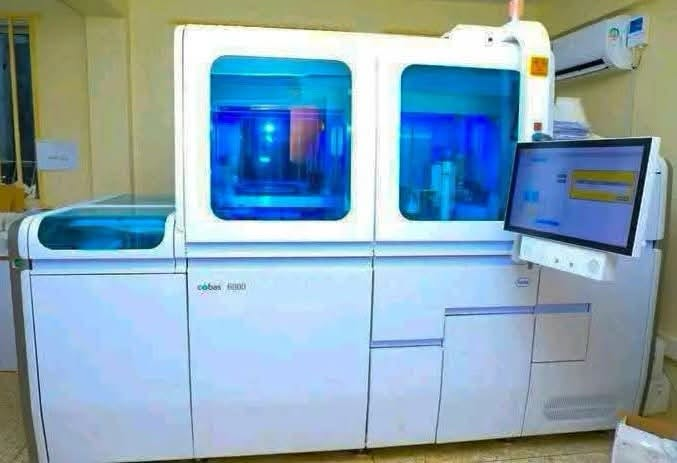
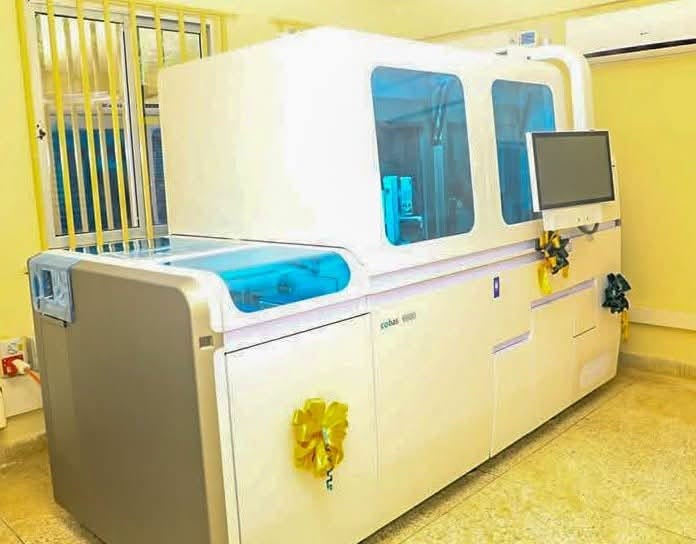
Migori Governor Ochilo Ayacko was forced to eat humble pie and admitted that the Sh 220M state-of-the-art DNA/PCR Molecular Diagnostic Equipment installed at the County Molecular Laboratory at Migori County Referral Hospital was indeed a donation.
The admission leaves the governor with rotten eggs on his face and gives his main challenger, Uriri MP Mark Nyamita, a bragging right over accountability and transparency in the county.
On Sunday, Nyamita had demanded that Ochilo show records of procurement and clarify whether the equipment was donated to the county.
“Governor Ochilo Ayacko has claimed that his administration purchased the Sh220 million DNA/PCR Molecular Diagnostic Equipment installed at Migori County Referral Hospital.
Available records indicate that the equipment was acquired through support from KEMRI/CDC and development partners, and was already at the facility before the current administration took office,”he wrote.
On Monday, Ochilo took to his social media platforms to clarify the matter, saying, “That admission, however reluctant, speaks louder than any defensive posture. The work continues.”
He said, as Governor, he took pride in his administration’s strategic investments in healthcare infrastructure.
“The DNA/PCR Molecular Diagnostic equipment, acquired through our partnership with the CDC, represents a significant milestone for Migori County—valued at KSh 220 million and currently the only facility of its kind in the region,” he wrote.
He said, for clarity, government assets, whether acquired through direct purchase or strategic partnerships, were public property managed for the benefit of the county.
“This is basic governance. Recent claims that this equipment is worth KSh 17 million are factually incorrect. I invite anyone making such assertions to verify these specifications with the equipment manufacturer or our development partners,” he said.
He said the valuation was documented and transparent and that what matters was that Migori County residents now have access to world-class diagnostic capabilities.
“This strengthens our healthcare system and positions us competitively in the region. Our focus remains on implementation and results—not on debating well-documented facts,” he said.
Ayacko welcomed substantive policy conversations about healthcare delivery, but said they must be grounded in evidence.
“Notably, even the most vocal critics have now acknowledged that Migori County has tangible achievements on the ground,” he said.
On Sunday, the governor posted on his social media platform and took credit for his administration’s acquisition of the facility, while Nyamita raised a red flag and claimed the equipment was donated. Nyamita demanded records for the procurement.
Ochilo said Migori County in Western Kenya was the first to install the equipment and termed it a milestone.
“In the entire Western Kenya region, it is only my administration that has been able to procure a state-of-the-art DNA/PCR Molecular Diagnostic Equipment which is installed at our County Molecular Laboratory at Migori County Referral Hospital. The equipment is worth Ksh. 220 million,” Ochilo wrote.
Ayacko said the acquisition of the cutting-edge equipment marked a pivotal turning point in his commitment to providing the highest standard of healthcare services to the people.
“This tremendous investment in advanced diagnostic technology enables us to further enhance our diagnostic capabilities and improve patient outcomes in our county and the entire Western Kenya region,” he wrote.
But Nyamita wrote, “the subsequent commissioning and operationalisation of the equipment should not be presented as its purchase.
When the machine was commissioned in January 2024, the Governor himself acknowledged the role of donors, the national government, hospital management and development partners in making the equipment operational,”
Ochilo said the DNA/PCR Molecular Diagnostic Equipment was a game-changer in the field of medicine.
“By utilising the power of DNA analysis and polymerase chain reaction (PCR) technology, this sophisticated equipment provides us with unparalleled accuracy and efficiency in diagnosing various diseases, including infectious diseases, genetic disorders, and even forensic analysis,” he wrote.
Nyamita wanted Ochilo to answer the question about the procurement and table evidence to that effect.
“If the Sh220 million was indeed spent by your administration to purchase this equipment, where is the procurement record? Where is the tender? Where is the payment evidence? And where did the Sh220 million come from?” he quipped.
Nyamita welcomed the investment but maintained that transparency and accountability were paramount.
“We welcome every investment that improves healthcare in Migori. But public leadership must be anchored in truth, accountability and proper attribution of public resources,” he said.
Nyamita said donated equipment could not be claimed to have been procured by the government.
“A donated asset cannot become a government purchase simply because it was later commissioned or operationalised. The people deserve the truth. Facts must prevail,” he said.
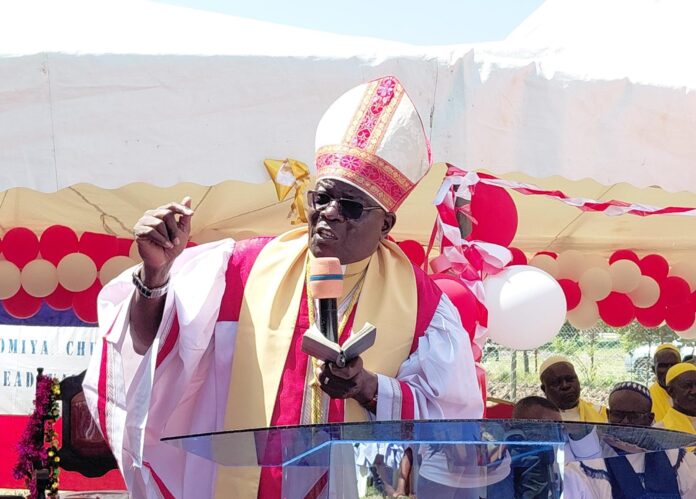
The Nomiya Church has issued a blistering warning to politicians across the political divide, cautioning that the race for power must not be allowed to plunge Kenya into lawlessness, territorial politics and political violence ahead of the 2027 General Election.
Nomiya Cardinal Bishop Moses Teddy Oketch said the growing political intolerance was becoming dangerous, warning the State, government politicians and opposition leaders that Kenya cannot afford a repeat of the violence associated with previous election cycles.
“Two terms doesn’t put bread on the table, one term doesn’t put bread on the table,” Bishop Oketch declared, warning politicians against treating political power as a matter of survival.
He said the church was increasingly alarmed by what he described as the creeping culture of political goonism and intolerance, particularly as politicians begin positioning themselves for 2027.
“As a church, we condemn these acts of lawlessness that are cropping into the country. We must condemn it in the highest terms possible. Otherwise, we are going to turn this country into Haiti,” Oketch warned.
The Cardinal Bishop said the rule of law must never be sacrificed to protect the interests of a handful of politicians, insisting that Kenya belongs to all its citizens.
“We cannot accept a country where the rule of law is tempered with in favour of a few politicians,” he said.
He further rejected the emergence of political “territories” where individuals or groups attempt to determine who can enter particular regions and who is allowed to campaign there.
“We cannot have a country where people have their territories and where people decide who comes in and who doesn’t come in,” he said.
‘Nyanza is not anyone’s political property’
Bishop Oketch’s remarks carry particular weight in the wake of growing political tensions in parts of Nyanza, with the church leadership warning against turning the region into a political no-go zone.
He said every politician must be allowed to traverse the country and sell their political agenda, provided they respect the law and the rights of other citizens.
“We are going into a political season where people can go where they want and say what they have, provided that they don’t infringe on other people’s rights,” he said.
The church, he added, was “not happy, especially in the Luo community,” over the direction political competition was taking.
He specifically condemned the confrontation witnessed in Awendo, saying political differences should never degenerate into physical confrontations.
“It is not right to challenge your opponent physically. What happened in Awendo is not right,” Oketch said.
He warned that normalising political violence at the grassroots could have devastating consequences as the country moves closer to the 2027 elections.
Warning to both State and opposition
The Cardinal Bishop’s message was not directed at the opposition alone.
He warned politicians inside government and those seeking power from outside government that Kenyans must not be sacrificed on the altar of political ambition.
“As a church, we say no to goonism. We say no to lawlessness. We say no to polarization of this country,” he declared.
He also rejected attempts by political actors to “own” territories, insisting that Nyanza must remain open to every Kenyan politician who wants to campaign peacefully.
“We say no to people who want to own territories. Everyone is free to come to Nyanza so that they come and campaign.”
With political temperatures expected to rise significantly as 2027 approaches, Oketch called for an urgent national dialogue bringing together competing political interests and other stakeholders.
He said such a dialogue must be broad and inclusive, giving Kenyans an opportunity to confront the growing political divisions before they spiral beyond control.
“A national dialogue is important and must be inclusive so that we come out and reason together.”
The church’s warning effectively places all political players on notice: no presidential ambition, gubernatorial bid, parliamentary seat or party contest should be allowed to become a justification for violence, intimidation or the occupation of political “territories.”
For Nomiya Church, the message ahead of 2027 is stark, “political power is temporary, but the country belongs to everyone!”
Uriri MP Mark Nyamita has blended technology with comedy for political satire on the Migori Governor, Ochilo Ayacko, and put him on check over his service delivery.
The application of the two weapons to dismantle Ayacko has irked the governor, who, in a recent interview, used harsh adjectives to describe his competitor for the seat in the 2027 elections.
Nyamita, combining humour, satire, technology and comedy to blend his speeches, has left the audience in stitches as his messages sink deep into the electorate and bite on the image of the governor.
Nyamita’s use of symbolism and juxtapositions to deconstruct the governor is tormenting and wreaking havoc in the Migori gubernatorial campaigns.
The Uriri MP has gone ahead to christen the governor Oyundi, a bird known for its laziness but love for food without working.
He has also used Ayacko’s found story of the line of Luo and Kalenjin lineage of Sinakuru Ma Dogman that explains the ancestry and the relationship of the two Nilotic communities.
But Ayacko is not also laying low and has nicknamed Nyamita as Othuogo because of his height and Chiwawa, the noisy pet dog known for barking loudest but cannot bite.
In a recent interview, Ayacko said ‘I have opponents. I have studied them, most of them are charlatans, propagandists. You know propaganda has a short life span. There is one member from a place called Uriri, who is a charlatan, sloganeer and a comedian,” he said.
Ayacko described Nyamita as a comedian who only entertains the audience and cannot win the gubernatorial elections.
“People laugh at his light comments but he will never show his track record that he is better than me. He will never have credentials that are better than mine. I am confident that one is an opponent like all we must have, but I am not worried about their behaviour. My record makes me confident, my experience makes me confident, and the fact is my dedication to serving my people is actual,” he said.
Ayacko said Nyamita should not be taken seriously and described him as a joker and entertainer.
“Mark Nyamita is somebody who should not be taken seriously by people who are serious. He is a charlatan, an entertainer and a joker. His sloganeers don’t operate within the political ethics. He is one person when ODM was done, he walked out in pursuit of personal benefit and wasn’t apologetic about it,” he said.
But Nyamita responded by accepting the nickname, saying it aptly captures his behaviour and nature.
“He has nicknamed Chiwawa, a name I have graciously accepted because it is a description of me. Chiwawa is a house dog and not a fighting dog, which describes me because I don’t fight. I don’t believe in physical fight. My dog will smell you from far, bark and warn me. That is what I exactly I am doing to the people of Migori, warning them over poor service delivery by the governor,” he said.
But following Ayacko’s recent interview and attack, Nyamita has gone ahead to cause more laughter by his response that has painted the governor negatively.
“Ayacko, you say I am crying, yes, because there are no drugs and roads. There are no services in the county. Ochilo bye,” he said.
Comedy
Migori County for decades was known as the mother and father of political violence and thuggery. The language best and most spoken in the county was violence.
Bloodbath and political deaths were the order of the day and never became news. It was normalised.
Political events were punctuated by violence and thuggery. Goons ran havoc and nearly all the political gatherings were disrupted.
Even the Orange Democratic Movement then party leader, the late Raila Amolo Odinga, was not spared. The respect was thrown out through the window.
Ayacko and former Cabinet Minister, the late Dalmas Otieno Anyango, during the battle for Rongo Constituency turned the area into Darfur, a war zone.
Ayacko and the immediate former Governor Okoth Obado were often embroiled in running battles.
But with the exit of Obado, the political violence and thuggery was to be between Ayacko and Suna West MP Peter Masara, who is also eyeing the gubernatorial seat.
Ayacko-Masara battle
Earlier in the year, after three years of calm, two days of political violence rocked Migori town following Ayacko and Masara engaging in a superiority battle.
At a funeral in the area, Ayacko got a dose of his own medicine and was forced to seek protection from the police station after chaos descended at the funeral they both attended.
At the funeral, Ochillo and Masara fought over protocol, with the latter demanding that he speak first before inviting the governor to speak.
Commotion broke out over the tussle on who should speak first and the tussle over the microphone, forcing the mourners to flee and police to intervene.
Ochilo later went to report the incident at a local police station and accused area Masara of allegedly orchestrating violence against him at the funeral.
Both Ochillo and Masara recorded statements with the police over the violence, with the County Police Boss Samwel Boit saying the fracas began over a confrontation about who should speak first.
“The chaos broke out over who should speak first at the funeral and when Masara attempted to take the microphone from Ochillo, violence broke out,” he said.
‘Ochillo blamed Masara for the chaos and asked him to campaign in peace instead of engaging in violence.
“I got the opportunity to condole with the family but the area MP came and created chaos. He allegedly brought 500 youths and they were armed with crude weapons. But as a governor who is peace-loving, I opted not to engage in political violence.”
But Masara denied, instead accusing Ochillo of getting police protection to intimidate his opponents.
“When the governor arrived and before he could even stay for 20 minutes, he took over the microphone that he wants to invite me to speak in my constituency. That is not protocol. The protocol requires that I am the one to invite him and not vice versa. I am the one to invite him in my constituency. He went for police reinforcement from Migori Central Police Station and four Land Cruisers carrying officers were brought to the funeral, but they only protected Ochilo.”
Comedy
Nyamita has changed the chapter of Migori politics when he ventured into comedy and technology-laced politics.
The use of symbolism in their speeches and figures of speech became the political engagement, and violence took the back stage.
Nyamita said “Ayacko recently called me Chiwawa. Chiwawa is an alert dog. And that is why I am alerting you of corruption cases. Ayacko is a German Shepherd because he is used to pangas and violence,”.
The bye moment
Nyamita has developed a political phrase and salutation that is gaining popularity with the electorate and audience.
In his new phrase, Nyamita engages the audience to wave bye to Ayacko in 2027.
In the phrase, Nyamita says Ochilo Ayacko bye and the audience responds with a wave saying bye, and the salutation is concluded with a catchy statement dhi dala koso odhi (going home or not going home)? and the crowd breaks out in laughter with a response, dhi dala (going home).
.The banter
The Nyamita and Ayacko banter has been on development, with each questioning one another’s performance.
We use cookies to ensure that we give you the best experience on our website. If you continue to use this site we will assume that you are happy with it.